South Kensington Tube.
Tooth loss is something many adults worry about, yet it is often more preventable than people realise. In the UK, gum disease remains one of the leading contributors to tooth loss in adults, and the good news is that with the right support, much can be done to protect your natural teeth. Preventing tooth loss starts with understanding the role that gum health plays — and that is where the importance of a dental hygienist becomes clear.
A dental hygienist specialises in preventive oral care, focusing on maintaining the health of the gums and supporting structures that keep your teeth stable. From professional cleaning to personalised advice, their role is central to periodontal disease treatment and long-term tooth preservation. This guide explains how gum disease develops, what causes teeth to become loose, and how regular professional care can make a meaningful difference.
Why Do People Lose Teeth?
Understanding the causes of loose teeth is the first step towards prevention. While many people associate tooth loss with ageing, it is not an inevitable part of getting older. The most common reasons adults lose teeth are largely related to oral health conditions that can be managed with the right care.
The primary factors include:
- Gum disease (periodontal disease): This is the single most common cause of tooth loss in UK adults. When gum disease progresses beyond the early stages, it can damage the bone and connective tissue that hold teeth in place
- Plaque and tartar accumulation: Bacterial plaque that is not removed effectively hardens into tartar, which irritates the gums and creates an environment where gum disease can develop
- Tooth decay: Untreated cavities can weaken teeth to the point where they are no longer restorable
- Trauma or injury: Accidents or impacts to the mouth can damage teeth and their supporting structures
- Lifestyle factors: Smoking significantly increases the risk of gum disease and tooth loss. Poor nutrition and certain systemic health conditions can also play a role
The encouraging reality is that gum disease prevention is achievable. With consistent oral hygiene at home and regular professional support, many of the factors that lead to tooth loss can be effectively managed. Preventing tooth loss is not about perfection — it is about building sustainable habits and seeking appropriate care when needed.
Understanding Gum Disease and Tooth Stability
To appreciate how professional gum care supports tooth preservation, it helps to understand how gum disease affects the structures that keep teeth secure.
Early-Stage Gum Inflammation (Gingivitis)
Gum disease begins with gingivitis — inflammation of the gum tissue caused by plaque accumulation along the gumline. At this stage, the gums may appear red or swollen and may bleed during brushing or flossing. Importantly, gingivitis is generally reversible with appropriate care and does not yet affect the bone. You can learn more about recognising these changes in our guide on early signs of gum disease.
Advanced Gum Disease (Periodontitis)
If gingivitis is not addressed, it can progress to periodontitis. At this stage, the inflammation extends deeper, affecting the bone and connective tissue that support the teeth. The gums may begin to pull away from the teeth, forming deeper pockets where bacteria accumulate. Over time, this can lead to bone loss, gum recession, and ultimately, loosening of the teeth.
Periodontal disease treatment at this stage focuses on managing the condition, reducing bacterial load, and supporting the remaining structures. While advanced bone loss cannot be fully reversed, the progression can often be slowed or stabilised with consistent professional care and good home hygiene. The goal is always saving natural teeth wherever possible.
The Importance of a Dental Hygienist in Gum Health
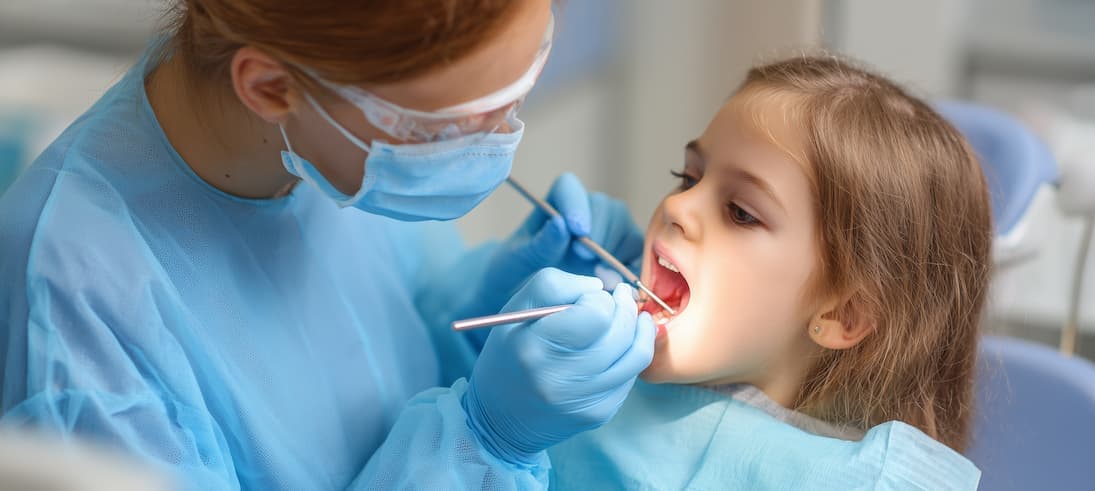
The importance of a dental hygienist in maintaining gum health and preventing tooth loss cannot be overstated. Hygienists are specifically trained in preventive oral health care, and their role extends well beyond simply cleaning teeth.
Professional Gum Care
Professional gum care involves the thorough removal of plaque and tartar from tooth surfaces and from below the gumline — areas that are difficult or impossible to clean effectively at home. Using specialised instruments, a dental hygienist can access deposits that a toothbrush and floss cannot reach, reducing the bacterial burden that drives gum inflammation. Visit our teeth cleaning treatments page to learn more about what professional cleaning involves.
Oral Hygiene Education
Oral hygiene education is a core part of every hygiene appointment. Your hygienist will assess your current brushing and interdental cleaning technique and provide tailored advice to help you clean more effectively at home. This might include recommendations on the type of toothbrush, interdental aids, or mouthwash best suited to your needs. Education empowers patients to take an active role in their own gum disease prevention.
Monitoring and Early Detection
Regular hygiene appointments allow your hygienist to monitor the health of your gums over time. By measuring gum pocket depths, checking for bleeding, and assessing gum attachment levels, they can identify early changes before they progress. Early detection is one of the most powerful tools in preventing tooth loss.
Personalised Prevention
Every patient is different, and a skilled hygienist tailors their approach to your individual needs. Factors such as medical history, medication use, lifestyle, and genetic predisposition all influence gum health. Our preventive treatments page outlines the range of support available to help you maintain healthy gums and teeth.
What Happens During Periodontal Disease Treatment?
Periodontal disease treatment is a structured process designed to address gum disease at its source and support long-term gum stability. It is not a single appointment but rather an ongoing programme of care.
Assessment
The process begins with a comprehensive periodontal assessment. Your dental hygienist will measure the depth of the gum pockets around each tooth, note any areas of bleeding or inflammation, and assess the overall condition of the gum tissue. This information guides the treatment plan.
Deep Cleaning (Scaling and Root Planing)
For patients with deeper gum pockets or significant tartar buildup below the gumline, scaling and root planing may be recommended. This procedure involves carefully removing plaque and tartar from the root surfaces of the teeth and smoothing the roots to encourage the gums to reattach more closely. Our periodontal treatments page provides detailed information about these procedures.
Ongoing Periodontal Maintenance
After the initial treatment phase, ongoing maintenance is essential. Regular follow-up appointments allow the hygienist to monitor healing, re-assess pocket depths, and provide further cleaning as needed. This ongoing care is central to saving natural teeth and maintaining the improvements achieved during treatment.
It is important to have realistic expectations. Periodontal disease treatment aims to manage the condition and preserve as much tooth support as possible. In many cases, patients experience significant improvement in gum health, reduced bleeding, and greater comfort. However, outcomes depend on factors including the severity of the condition, the patient's oral hygiene at home, and general health.
How Regular Hygiene Appointments Help Prevent Tooth Loss
Consistency is key when it comes to preventing tooth loss. Regular hygiene appointments provide a structured framework for maintaining gum health and catching any concerns early.
The benefits of regular visits include:
- Plaque and tartar removal: Even with excellent home care, some plaque can harden into tartar in hard-to-reach areas. Professional cleaning removes these deposits before they can cause harm
- Gum health monitoring: Tracking changes in pocket depths and gum attachment over time allows for early intervention when needed
- Reinforced home care: Each appointment is an opportunity to review and refine your brushing and interdental cleaning technique through oral hygiene education
- Motivation and accountability: Regular visits help keep oral health a priority and provide reassurance that your gums are being looked after
- Early problem identification: Issues such as gum recession, early signs of decay, or changes in bite can be identified and addressed promptly
The importance of a dental hygienist in this process is their ability to provide expert, focused care that complements what you do at home. To understand more about what a typical visit involves, our blog on what to expect during a professional teeth cleaning session offers a helpful overview.
How Often Should You See a Dental Hygienist?
There is no single answer to how often you should attend hygiene appointments, as the ideal frequency depends on your individual risk profile and gum health status. However, general guidance suggests:
- Every six months: For patients with generally healthy gums and good oral hygiene, twice-yearly appointments are often sufficient for preventive maintenance
- Every three to four months: For those with a history of gum disease, active periodontal concerns, or higher risk factors such as smoking or diabetes, more frequent visits may be recommended
- Personalised scheduling: Your dental hygienist will assess your specific needs and recommend a frequency that supports your individual gum health goals
The key principle behind gum disease prevention is regularity. Consistent professional care, combined with effective daily oral hygiene education, creates the strongest foundation for preventing tooth loss over the long term. For evidence-based guidance on visit frequency, our blog on professional dental cleaning frequency provides further detail.
Patients with systemic health conditions that affect gum health, such as diabetes, may benefit from additional monitoring. Our article on how diabetes affects your gum health explores this important connection.
Long-Term Benefits of Professional Gum Care
Investing in professional gum care is one of the most impactful steps you can take for your long-term oral health. The benefits extend beyond simply avoiding gum disease:
- Saving natural teeth: By maintaining the health of the gums and bone that support your teeth, regular professional care helps preserve your natural dentition for as long as possible
- Improved oral comfort: Healthy gums are firm, pale pink, and comfortable. Managing gum inflammation reduces tenderness, bleeding, and sensitivity
- Fresher breath: Removing plaque and tartar — particularly from below the gumline — helps manage the bacteria that contribute to bad breath
- Reduced need for complex treatment: By addressing gum concerns early, the need for more extensive restorative or surgical treatment in the future may be reduced
- Greater confidence: Knowing that your gums are healthy and your teeth are well supported can positively impact your confidence and overall quality of life
The importance of a dental hygienist in achieving these outcomes lies in their specialist training, their focus on prevention, and their ability to provide ongoing, personalised care. For patients who have experienced gum recession, our blog on understanding gum recession and how hygienists help offers further insights into how professional support can make a difference.
Your natural teeth are worth protecting, and the steps needed to do so are often simpler than people expect. Whether you are looking to maintain healthy gums, address early signs of gum inflammation, or manage an existing periodontal condition, professional gum care and regular oral hygiene education are the cornerstones of long-term tooth preservation. If you have concerns about your gum health or would like to establish a preventive care routine, seeking professional dental advice is a positive and proactive first step.
Disclaimer
This article is for general educational purposes only and does not constitute dental advice. Individual symptoms, diagnoses, and treatment options should always be assessed by a qualified dental professional during a clinical examination.