

 South Kensington Tube.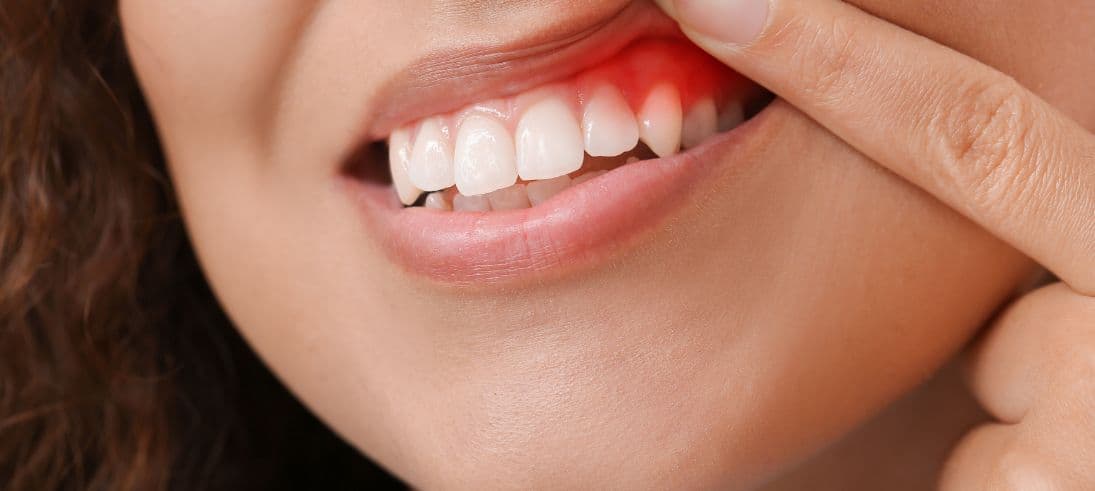
Gum disease is one of the most common oral health conditions in the UK, yet many people do not recognise the early signs of gum disease until the condition has progressed. Understanding gum disease symptoms early can make a real difference to your long-term oral health. Many gingivitis warning signs, such as bleeding gums, are often painless at first, which means they can go unnoticed for months. Knowing the bleeding gums causes and other subtle changes to look out for puts you in a stronger position to take positive action.
The good news is that recognising these signs early gives you the opportunity to seek appropriate support and make simple changes to your daily routine. This guide walks you through the most common symptoms, explains what they may mean, and outlines how professional dental care can help. Whether you have noticed something unusual or simply want to stay informed, this article is here to reassure and educate.
What Is Gum Disease?
Gum disease is an inflammatory condition that affects the tissues surrounding and supporting the teeth. It typically begins when plaque, a soft, sticky film of bacteria, builds up along the gumline. If plaque is not removed through regular brushing and cleaning between the teeth, it can harden into tartar, which is more difficult to remove at home.
There are two main stages of gum disease. Gingivitis is the earliest and mildest form, where the gums may become inflamed, red, or slightly swollen. At this stage, the condition is generally manageable with improved oral hygiene and professional care. If left unaddressed, gingivitis may progress to periodontal disease, which can affect the bone and structures that hold the teeth in place.
Understanding how plaque contributes to gum disease is an important first step. You can learn more in our article on myths and facts about dental plaque.
Early Signs of Gum Disease to Watch For
Recognising gum disease symptoms early allows you to take proactive steps. Below are the most common signs to be aware of, explained in a practical and reassuring way.
Bleeding Gums Causes
One of the most frequently reported early signs of gum disease is bleeding when brushing or flossing. Many people assume this is normal, but it often indicates that the gums are inflamed due to plaque build-up. Bleeding gums causes typically relate to the body's inflammatory response to bacteria sitting along the gumline.
If you notice pink in the sink after brushing, it does not necessarily mean something serious is wrong, but it is worth paying attention to. Consistent bleeding, especially if it occurs daily, is a signal that your gums would benefit from professional assessment and improved cleaning habits.
Swollen and Red Gums
Healthy gums are generally firm and pale pink. If your gums appear puffy, darker in colour, or feel tender to the touch, this may be a sign of early inflammation. Swollen and red gums are one of the classic gingivitis warning signs and are usually caused by plaque irritation.
Swelling may be localised to one area or affect larger sections of the gums. While it can sometimes be related to temporary factors, such as brushing too hard, persistent swelling is worth discussing with a dental professional.
Persistent Bad Breath (Halitosis)
Persistent bad breath, also known as halitosis, can be linked to the bacteria that cause gum inflammation. When plaque builds up in hard-to-reach areas, the bacteria produce sulphur compounds that create an unpleasant odour. Unlike morning breath, which tends to fade after brushing, halitosis related to gum disease often lingers throughout the day.
If you find that mouthwash or brushing does not resolve the problem, it may be a sign that deeper cleaning is needed to remove bacterial build-up below the gumline.
Sensitive Teeth and Gums
Increased sensitivity to hot, cold, or sweet foods can sometimes be connected to gum health. When gums become inflamed or begin to recede slightly, more of the tooth surface or root may become exposed. Sensitive teeth and gums can feel uncomfortable, but understanding the link to inflammation can help you take the right steps.
Sensitivity does not always mean gum disease is present, but when combined with other symptoms on this list, it is a useful indicator to mention at your next dental hygiene appointment.
Painful Chewing
Discomfort or tenderness when chewing can be associated with inflamed gum tissue. Painful chewing may occur because the gums around certain teeth are swollen, or because the supporting structures are under strain. This symptom can affect your enjoyment of food and may lead some people to avoid certain textures.
If you experience ongoing discomfort when eating, it is worth seeking professional dental advice so the cause can be identified and appropriate care can be discussed.
Loose Teeth Symptoms
While loose teeth symptoms are more commonly associated with advanced gum disease, they are worth mentioning as a later warning sign. If periodontal disease progresses without intervention, it can gradually affect the bone that supports the teeth, leading to mobility or shifting.
This is not intended to cause alarm. It is simply a reminder that early attention to milder symptoms can help you avoid reaching this stage. If you notice any changes in how your teeth feel or fit together, seek professional dental advice promptly.
Gum Infection Signs
In some cases, gum disease may lead to localised infection. Gum infection signs can include a small area of swelling, tenderness, or the presence of discharge around the gumline. The area may feel warm to the touch or appear more swollen than the surrounding tissue.
If you notice any of these signs, it is important to seek appropriate dental care. Early professional assessment can help determine the most suitable course of action.
Gingivitis Warning Signs vs Periodontal Disease Early Stages
Understanding the difference between gingivitis warning signs and periodontal disease early stages can help you gauge where your gum health may currently stand.
Gingivitis is characterised by surface-level inflammation. The gums may bleed, look red, or feel slightly tender, but the underlying bone and deeper structures are typically unaffected. With consistent oral hygiene and professional cleaning, gingivitis can often be managed effectively.
Periodontal disease early stages involve a deeper level of inflammation. The gum pockets around the teeth may deepen, and there can be early signs of attachment loss. You might notice increased sensitivity, slight gum recession, or a change in how your teeth feel when biting. At this stage, professional periodontal care becomes particularly important.
The key takeaway is that gingivitis does not always progress to periodontal disease, especially when it is identified and addressed early. You can read more about the professional support available on our periodontal treatments page.
What Causes Gum Disease?
Several factors can contribute to the development of gum disease. Understanding the bleeding gums causes and wider risk factors can help you make informed choices about your oral health.
- Plaque build-up: The primary cause of gum disease. When plaque is not removed effectively through daily brushing and interdental cleaning, it irritates the gum tissue and triggers inflammation.
- Smoking and tobacco use: Smoking is one of the most significant risk factors for gum disease. It can reduce blood flow to the gums, making it harder for the body to manage inflammation.
- Diabetes: There is a well-documented link between diabetes and gum health. People with diabetes may be more susceptible to infections, including gum disease. You can explore this topic further in our article on how diabetes affects your gum health.
- Hormonal changes: Fluctuations during puberty, pregnancy, and menopause can make the gums more sensitive and more reactive to plaque.
- Certain medications: Some medications can reduce saliva flow, which plays a protective role in keeping the mouth clean.
Receding Gums: What You Should Know
Gum recession occurs when the gum tissue gradually pulls back from the tooth, exposing more of the tooth surface or the root. This can happen slowly over time and may not always be immediately noticeable.
Common contributing factors include aggressive brushing, plaque build-up, and long-standing gum inflammation. In some cases, genetics may also play a role. When the gums recede, the exposed areas can become more sensitive to temperature changes and may be at greater risk of decay.
Receding gums treatment depends on the severity and underlying cause. In milder cases, improving brushing technique and attending regular hygiene appointments may help slow or manage the process. Professional teeth cleaning plays an important role in keeping the gumline clean and supporting the surrounding tissue. For more information on preventive approaches, visit our preventive care page.
How Professional Teeth Cleaning Helps Prevent Gum Disease
Regular hygiene teeth cleaning is one of the most effective ways to support your gum health. While daily brushing and flossing are essential, professional teeth cleaning reaches areas that are difficult to clean at home, particularly below the gumline and between tightly spaced teeth.
During a professional appointment, your dental hygienist will carry out a thorough scale and polish treatment, which involves removing hardened plaque (tartar) from the tooth surfaces and gumline. This process helps reduce the bacterial load in the mouth and gives the gums a chance to recover from any inflammation.
Professional cleaning appointments also provide an opportunity for your clinician to monitor your gum health over time. Changes in pocket depth, bleeding points, or tissue condition can be tracked, helping to identify any concerns early. Consistent preventive maintenance is a key part of long-term oral health. To learn more, see our teeth cleaning treatment page.
When Should You Seek Professional Dental Advice?
It is natural to wonder when symptoms are significant enough to warrant a professional visit. As a general guide, consider seeking professional dental advice if you experience any of the following:
- Persistent bleeding from the gums that does not improve with better brushing habits
- Ongoing bad breath that is not resolved by regular oral hygiene
- Increasing gum discomfort, tenderness, or swelling
- Loose teeth symptoms or a change in how your bite feels
- Visible gum recession or areas of sensitivity that are worsening
There is no need to wait until symptoms become severe. Early professional assessment can help identify the cause and guide you towards appropriate care. If symptoms are severe or sudden, seek urgent dental care without delay.
How to Reduce Your Risk of Gum Disease
While no approach can guarantee the prevention of gum disease, there are several evidence-based steps you can take to reduce your risk and support your gum health:
- Brush twice daily using a fluoride toothpaste and a soft-bristled toothbrush, paying careful attention to the gumline
- Clean between your teeth daily using floss, interdental brushes, or a water flosser to remove plaque from areas your toothbrush cannot reach
- Attend regular hygiene visits for professional cleaning and gum health monitoring
- Avoid smoking as tobacco use is a major risk factor for gum disease
- Maintain a balanced diet rich in vitamins and minerals that support oral health
- Stay hydrated to support saliva production, which helps protect the gums
For guidance on how often professional cleaning may be beneficial for you, read our article on professional dental cleaning frequency.
Frequently Asked Questions
What are the early signs of gum disease?
The early signs of gum disease include bleeding gums when brushing or flossing, swollen and red gums, persistent bad breath, sensitive teeth and gums, and gum tenderness. These symptoms may appear gradually and are often painless at first, which is why regular dental hygiene visits are important for early detection.
Why do my gums bleed when I brush?
Gums may bleed when brushing due to a build-up of plaque along the gumline, which can cause inflammation. This is one of the most common gingivitis warning signs. Gentle but thorough brushing with a soft-bristled toothbrush, along with regular professional cleaning, can help support gum health over time.
Is gingivitis reversible?
With appropriate care, gingivitis can often be managed and improved. Good oral hygiene at home, including twice-daily brushing and daily flossing, combined with regular professional teeth cleaning, may help the gums return to a healthier state. It is always best to seek professional dental advice for personalised guidance.
What happens in periodontal disease early stages?
In the periodontal disease early stages, the inflammation that began as gingivitis may start to affect the supporting structures around the teeth. You might notice increased gum recession, deeper gum pockets, or heightened sensitivity. Early professional intervention and consistent oral hygiene can help manage the condition.
Can swollen and red gums go away on their own?
Mild gum swelling may improve with better oral hygiene practices, such as gentle brushing and flossing. However, if swollen and red gums persist for more than a couple of weeks, it is advisable to seek professional dental advice to identify the underlying cause and receive appropriate care.
Taking the Next Step for Your Gum Health
Recognising the early signs of gum disease is an important part of looking after your overall oral health. From bleeding gums causes to gingivitis warning signs, the symptoms covered in this guide are common, manageable, and worth taking seriously. Early awareness, combined with good daily habits and regular professional care, can make a meaningful difference.
If you have noticed any of the gum disease symptoms discussed in this article, or if you would simply like to stay on top of your preventive care, consider booking a hygiene teeth cleaning appointment. Monitoring your gum health early and seeking appropriate dental care when needed is one of the most positive steps you can take for your smile.
Disclaimer
This article is for general educational purposes only and does not constitute dental advice. Individual symptoms, diagnoses, and treatment options should always be assessed by a qualified dental professional during a clinical examination.