South Kensington Tube.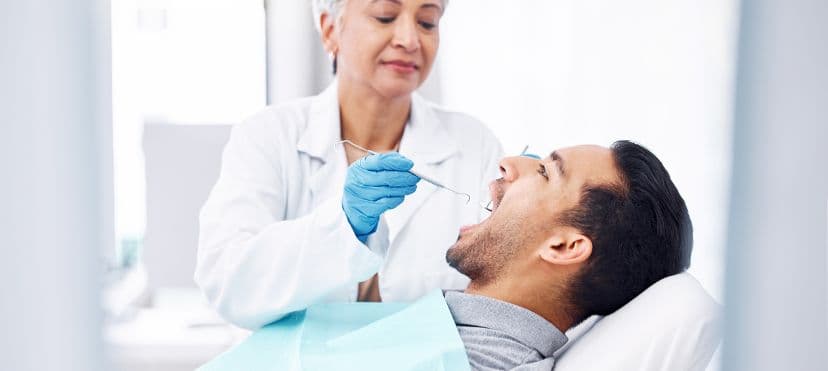
Senior dental hygiene care requires special consideration because the ageing process brings natural changes to the teeth, gums, and oral tissues that affect how oral health is maintained and how professional care is delivered. Medical conditions, medications, reduced manual dexterity, and changes in saliva production can all influence the approach needed — making tailored guidance particularly important for older adults and the family members or caregivers who support them.
Current UK oral health guidance suggests that preventive dental care remains just as important in later life as it is at any other stage — and in many cases, more so. Understanding the specific considerations that apply to senior oral hygiene helps older adults, their families, and their dental professionals work together to maintain comfort, function, and oral health over the long term.
How Ageing Affects Teeth and Gums
The natural ageing process produces several changes in the oral environment that influence dental hygiene needs. While these changes are a normal part of ageing, understanding them helps explain why oral care routines and professional support may need to be adapted over time.
Enamel thinning occurs gradually over decades of use. As the outer enamel layer wears, the underlying dentine — which is softer and more yellowish in colour — becomes more exposed. This can make teeth appear darker, feel more sensitive, and become more vulnerable to decay, particularly along worn biting surfaces.
Gum recession is one of the most common age-related oral changes. As gum tissue recedes, the root surfaces of the teeth become exposed. Unlike enamel-covered crowns, root surfaces are covered by a thinner layer of cementum and are more porous, making them more susceptible to both decay and sensitivity. Our guide on understanding gum recession explains this process in detail and how professional hygiene care can help manage it.
Root surface exposure creates additional areas where plaque can accumulate. The rougher texture of exposed root surfaces compared to smooth enamel means that bacterial biofilm adheres more readily, increasing the risk of root caries (decay on the root surface) — a concern that is significantly more common in older adults than in younger populations.
Increased sensitivity often accompanies these changes. As enamel thins and roots become exposed, stimuli such as hot and cold drinks, sweet foods, and even cold air can trigger discomfort. This sensitivity may also make daily brushing and professional cleaning feel less comfortable, potentially leading to avoidance of thorough cleaning in sensitive areas.
Dry Mouth and Medication Effects
Xerostomia — the subjective sensation of dry mouth — is one of the most significant oral health challenges affecting older adults, and it is overwhelmingly linked to medication use rather than ageing itself. Over 400 commonly prescribed medications list dry mouth as a potential side effect, including:
- Antihypertensives (blood pressure medications)
- Antidepressants and anxiolytics
- Antihistamines
- Diuretics
- Some pain medications
- Medications for urinary incontinence
Since many older adults take multiple medications simultaneously (polypharmacy), the cumulative effect on saliva flow can be substantial. Reduced saliva diminishes the mouth's natural defence system — saliva normally buffers acids, washes away food debris, delivers antimicrobial proteins, and provides calcium and phosphate ions for enamel remineralisation.
Without adequate saliva, plaque accumulates more rapidly, the oral environment becomes more acidic, and the risk of both coronal and root surface decay increases significantly. Practical strategies for managing dry mouth include sipping water frequently throughout the day, using sugar-free lozenges or gum to stimulate residual saliva flow, avoiding alcohol-based mouthwashes that can further dry the tissues, and discussing saliva substitutes or oral moisturising gels with a dental professional.
Increased Risk of Gum Disease in Older Adults
Periodontal (gum) disease risk tends to increase with age due to a combination of cumulative plaque exposure, changes in immune response, and the effects of systemic conditions and medications on gum tissue. While gum disease is not an inevitable part of ageing, the conditions that promote it become more prevalent in later life.
The bacterial biofilm that forms dental plaque produces toxins that trigger an inflammatory response in the gum tissue. In younger, healthy individuals, this immune response is typically well-regulated. With age, the immune system may become less efficient at managing low-level chronic inflammation, potentially allowing gingivitis to progress more readily toward periodontitis — the more advanced form of gum disease that affects the supporting bone structure.
Recognising the early signs of gum disease is particularly important for older adults and their caregivers. Bleeding gums during brushing, persistent redness or puffiness along the gumline, receding gums, and loose-feeling teeth are all indicators that warrant professional assessment. Early identification allows for less invasive management and better long-term outcomes.
Adapted Professional Hygiene for Seniors
Professional dental hygiene care for older adults follows the same clinical principles as for any patient — thorough removal of plaque and calculus to maintain gum health and prevent disease progression. However, the way this care is delivered is often adapted to accommodate the specific needs and comfort of senior patients.
Experienced clinicians may adjust their approach in several ways:
- Shorter appointment sessions — particularly for patients who find it difficult to maintain a comfortable position for extended periods, or who experience fatigue during longer appointments
- Gentler instrument settings — ultrasonic scalers can be adjusted to lower power levels, and hand instruments selected for precision work around sensitive root surfaces
- More frequent breaks — allowing patients to rinse, rest, and reposition during the appointment
- Careful attention to receded areas — exposed root surfaces require a different cleaning approach to minimise sensitivity while ensuring thorough plaque removal
- Clear communication — explaining each step in advance and checking comfort levels throughout the appointment
Professional teeth cleaning remains one of the most important preventive measures for older adults, as it addresses plaque and calculus in areas that daily brushing may increasingly struggle to reach. Experienced dental hygienists in London who regularly work with senior patients understand how to deliver effective care while prioritising comfort and dignity.
Periodontal Care Considerations
For older adults with a history of periodontal disease or clinical signs of advancing gum conditions, more targeted periodontal care may be appropriate. This typically involves treatment that goes beyond routine scaling to address bacterial deposits within deeper gum pockets and along root surfaces below the gumline.
Supportive periodontal maintenance — a structured programme of regular professional cleaning and monitoring — can help stabilise gum health and slow the progression of existing periodontal conditions. During these appointments, the clinician may measure periodontal pocket depths, assess gum attachment levels, and carry out subgingival debridement (cleaning below the gumline) where clinically indicated.
If periodontal concerns have been identified, periodontal treatments can be tailored to the individual's clinical needs, medical history, and comfort requirements. The approach is always guided by clinical findings, and treatment intensity is adjusted to reflect what is appropriate and manageable for the individual patient.
Denture and Implant Hygiene
Many older adults wear full or partial dentures, dental bridges, or have implant-supported restorations. Each of these requires specific cleaning approaches that differ from natural tooth care, and neglecting prosthetic hygiene can lead to plaque accumulation, tissue inflammation, and — in the case of implants — peri-implant disease.
Denture hygiene involves daily cleaning with a denture brush and appropriate cleaning solution, removal of dentures overnight to allow the underlying tissues to rest, and regular inspection for cracks, rough areas, or ill-fitting sections that could irritate the oral tissues. Plaque forms on denture surfaces just as it does on natural teeth, and poorly cleaned dentures can harbour bacteria and fungi that contribute to oral infections.
Implant maintenance follows similar principles to natural tooth care but requires particular attention to the junction between the implant and the gum tissue, where plaque accumulation can lead to peri-implant mucositis (inflammation around the implant) or, if left unmanaged, peri-implantitis. Regular professional cleaning and monitoring are important components of long-term implant success.
Maintaining routine dental care appointments ensures that both natural teeth and prosthetic restorations are professionally assessed and cleaned at appropriate intervals, helping to prevent complications that can become more difficult and costly to address later.
Manual Dexterity and Cognitive Challenges
One of the most practically significant challenges in senior oral hygiene is the impact of reduced manual dexterity on the ability to brush and floss effectively. Conditions such as arthritis, stroke, Parkinson's disease, and general age-related decline in fine motor skills can make the precise hand movements required for thorough brushing increasingly difficult.
Practical adaptations that can help include:
- Switching to an electric toothbrush — the larger handle is easier to grip, and the oscillating or sonic action performs much of the cleaning motion automatically, reducing the reliance on precise wrist movements
- Using a toothbrush grip aid — foam handle covers, bicycle handlebar grips, or purpose-made grip enlargers can be fitted over a manual or electric toothbrush handle to improve hold for those with limited grip strength
- Choosing interdental brushes over floss — interdental brushes require less manual dexterity than traditional flossing and are generally easier for arthritic hands to manipulate
- Considering a water flosser — for individuals who struggle with any form of manual interdental cleaning, a water flosser provides an alternative method of flushing debris from between teeth and along the gumline
- Establishing caregiver support routines — for older adults with significant dexterity limitations or cognitive decline, a family member or professional caregiver may need to assist with or supervise daily oral hygiene
- Using a mouth prop or bite block — for caregivers assisting with brushing, these simple devices can help keep the mouth comfortably open during cleaning
- Setting up visual and auditory reminders — for individuals experiencing early cognitive decline, phone alarms, written prompts in the bathroom, or pre-prepared toothbrush stations can help maintain routine consistency
Recent understanding of ageing oral tissues indicates that maintaining effective daily plaque removal — even in an adapted form — remains the single most important factor in preserving oral health in later life.
Managing Sensitivity and Comfort
Root surface sensitivity is a common concern for older adults, particularly those with significant gum recession or enamel wear. This sensitivity can make both daily brushing and professional cleaning uncomfortable, potentially leading to avoidance of thorough cleaning in the areas that need it most.
At home, using a desensitising toothpaste containing ingredients such as potassium nitrate or stannous fluoride may help reduce sensitivity over time when used consistently. Brushing with a soft-bristled or extra-soft toothbrush and avoiding aggressive scrubbing motions can also minimise discomfort while maintaining effective plaque removal.
During professional appointments, experienced clinicians use techniques specifically adapted for sensitive patients — including lower ultrasonic power settings, warm water irrigation, and careful hand scaling around exposed root surfaces. Our guide on managing discomfort after teeth cleaning offers additional practical advice for patients who experience temporary sensitivity following professional cleaning.
How Often Should Seniors Book Hygiene Visits?
The ideal frequency of professional hygiene appointments for older adults depends on a range of individual factors — including gum health status, medication effects, manual dexterity, plaque control effectiveness, and the presence of prosthetic restorations such as dentures or implants.
Current UK dental guidance supports a risk-based approach to scheduling. Many older adults benefit from professional cleaning every three to four months, particularly those with a history of periodontal disease, dry mouth from medications, or reduced ability to maintain thorough home care. Patients with stable oral health and effective daily routines may be suitable for six-monthly appointments.
For details on appointment options and costs, our hygiene appointment fees page provides transparent information. Your dental hygienist can assess your individual needs and recommend a maintenance schedule that balances clinical requirements with practical considerations.
Reflective Questions for Seniors and Caregivers
The following questions can help older adults and their family members assess whether current oral hygiene routines are meeting their needs:
- Are gums bleeding or appearing to recede from the teeth?
- Is dry mouth a persistent or worsening concern?
- Has plaque build-up or visible tartar increased recently — particularly around the gumline?
- Is manual brushing becoming more difficult due to arthritis or reduced grip strength?
- Are dentures or implants being cleaned thoroughly every day?
- Has it been more than six months since the last professional hygiene appointment?
- Are any medications being taken that list dry mouth as a side effect?
If any of these raise concern, discussing the situation with a dental professional can help identify practical adjustments and ensure appropriate support is in place.
Senior Oral Hygiene Checklist
- Brush twice daily for two minutes with a fluoride toothpaste
- Use an electric toothbrush if manual dexterity is limited
- Clean between teeth daily with interdental brushes or a water flosser
- Sip water regularly throughout the day to combat dry mouth
- Clean dentures daily and remove overnight
- Attend professional hygiene appointments at the recommended interval
- Inform your hygienist of all current medications
- Report any new sensitivity, bleeding, or discomfort promptly
Oral Hygiene Needs: Younger Adults vs Seniors
| Factor | Younger Adults | Seniors |
|---|---|---|
| Enamel condition | Generally intact and resilient | Thinner with potential wear and exposure of dentine |
| Gum recession risk | Lower with good oral hygiene | Higher — root surfaces often exposed |
| Saliva flow | Typically adequate | Often reduced by medications |
| Manual dexterity | Generally unimpaired | May be limited by arthritis or neurological conditions |
| Root decay risk | Low | Significantly higher due to recession and dry mouth |
| Hygiene visit frequency | Typically every 6 months | Often every 3–4 months based on risk |
| Prosthetic considerations | Uncommon | Dentures, bridges, or implants may require specific care |
Senior dental hygiene care is not about managing decline — it is about adapting strategies to meet the changing needs of the mouth as it ages, ensuring that comfort, function, and health are maintained for as long as possible. With the right daily habits, appropriate professional support, and a willingness to adapt routines as circumstances change, older adults can continue to enjoy good oral health throughout their later years.
If you or a family member would benefit from professional hygiene care adapted for the needs of older adults, our experienced dental hygienists in London are here to help. Preventive hygiene appointments provide an opportunity to address existing concerns, receive tailored advice on managing age-related changes, and establish a maintenance plan suited to individual needs. Book a hygiene appointment to discuss your requirements.
Content clinically reviewed by a GDC-registered dental professional.
Disclaimer
This article is for general educational purposes only and does not constitute dental advice. Individual symptoms, diagnoses, and treatment options should always be assessed by a qualified dental professional during a clinical examination.