

 South Kensington Tube.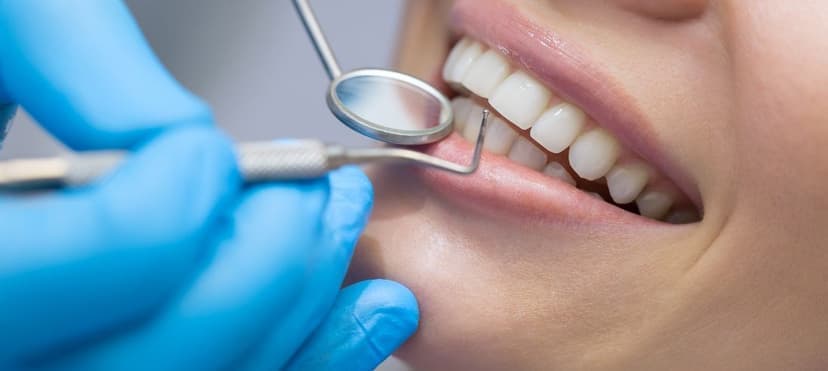
Many people wonder why their local area needs dedicated dental hygiene services, particularly when general dental practices already exist. The reality is that dental hygienists play a specialised role in preventing oral disease before it develops into more serious conditions requiring complex treatment. Communities across London are increasingly recognising that accessible dental hygiene services create a foundation for better overall health outcomes.
Professional dental hygiene services focus specifically on preventative care, including thorough plaque removal, gum disease prevention, and patient education about effective home care routines. This article will explain how communities benefit when residents have regular access to qualified dental hygienists, the broader health implications of preventative dental care, and why these services represent a valuable investment in public wellbeing.
Understanding the role of dental hygienists and their impact on community health can help individuals make informed decisions about their oral care. Professional assessment remains essential for determining the most appropriate preventative care approach for individual needs.
What Are the Key Benefits of Community Dental Hygiene Services?
Community dental hygiene services provide specialised preventative care that reduces the risk of tooth decay and gum disease across entire populations. These services focus on professional cleaning, early intervention, and education programmes that help prevent more serious dental problems from developing, ultimately reducing the need for complex restorative treatments.
The Foundation of Preventative Community Health
Dental hygiene services form the cornerstone of preventative oral healthcare within communities. Professional dental hygienists provide thorough scaling and polishing treatments that remove hardened plaque deposits which cannot be eliminated through regular home brushing and flossing alone. These deposits, known as calculus or tartar, harbour harmful bacteria that contribute to gum inflammation and tooth decay.
When communities have accessible hygiene services, residents can maintain healthier mouths through regular professional maintenance appointments. This preventative approach helps identify early signs of gum disease, tooth decay, or other oral health concerns before they progress to stages requiring more extensive treatment. Regular professional cleaning appointments also provide opportunities for personalised oral health education, helping individuals improve their daily care routines.
Evidence suggests the cumulative effect across a community can be significant, with lower rates of advanced gum disease, fewer emergency dental situations, and reduced demand for complex restorative treatments.
How Dental Hygiene Services Reduce Healthcare Costs
Communities with established dental hygiene services often experience reduced overall healthcare expenditure related to oral health problems. Preventative care through regular hygiene appointments costs significantly less than treating advanced gum disease, tooth infections, or replacing damaged teeth with crowns, bridges, or implants.
Professional dental hygienists can identify early warning signs of oral health problems, allowing for timely intervention before conditions become severe. For example, early-stage gum inflammation (gingivitis) can often be reversed through improved home care and professional cleaning, whereas advanced gum disease (periodontitis) may require more extensive treatment including deep cleaning procedures or surgical intervention.
The economic benefits extend beyond direct dental costs. Poor oral health has been linked to various systemic health conditions, including cardiovascular disease and diabetes complications. By maintaining better oral health through accessible hygiene services, communities may see reduced healthcare costs across multiple medical specialties. Regular preventative care helps residents avoid taking time off work for dental emergencies and reduces the need for urgent dental treatments.
The Science Behind Professional Dental Hygiene
Professional dental hygiene involves the scientific removal of bacterial biofilms that naturally accumulate on teeth and along the gum line. These biofilms, commonly known as plaque, contain hundreds of different bacterial species that produce acids and toxins harmful to tooth enamel and gum tissues.
When plaque remains undisturbed for extended periods, it mineralises into calculus, which bonds firmly to tooth surfaces and cannot be removed through regular brushing. Dental hygienists use specialised instruments and techniques to safely remove these deposits without damaging tooth enamel or gum tissues. The process involves scaling to remove calculus deposits and polishing to smooth tooth surfaces, making it more difficult for new plaque to accumulate.
Professional hygienists also apply fluoride treatments when appropriate, helping to strengthen tooth enamel and provide additional protection against acid attacks from harmful bacteria. This scientific approach to plaque control forms the foundation of preventative oral healthcare and helps maintain the delicate balance of the oral microbiome.
Community Education and Oral Health Awareness
Dental hygienists play a crucial role in community education, providing residents with evidence-based information about maintaining optimal oral health. Through individual appointments and community outreach programmes, hygienists teach proper brushing and flossing techniques, explain the importance of dietary choices on oral health, and help people understand the connection between oral health and overall wellbeing.
Educational programmes often include demonstrations of effective home care techniques, recommendations for appropriate oral care products, and personalised advice based on individual risk factors. This education empowers community members to take active roles in maintaining their oral health between professional appointments.
Community awareness initiatives may also address specific local health concerns, such as the effects of smoking on gum health or the importance of protecting teeth during sports activities. By providing accessible, reliable oral health information, dental hygienists help communities make informed decisions about their oral care.
When to Seek Professional Dental Hygiene Services
Most dental professionals recommend regular hygiene appointments every six months for individuals with healthy gums and low risk factors for oral disease. However, some people may benefit from more frequent visits, particularly those with a history of gum disease, diabetes, or other conditions that increase the risk of oral health problems.
Signs that may indicate the need for professional hygiene services include bleeding gums during brushing or flossing, persistent bad breath, visible plaque or tartar buildup, or gum recession. Individuals experiencing any of these symptoms should consider scheduling a professional assessment to determine the most appropriate care approach.
Smokers, pregnant women, and individuals taking medications that affect gum health may also benefit from more frequent hygiene appointments and specialised care approaches tailored to their specific needs.
Supporting Vulnerable Community Members
Dental hygiene services play a particularly important role in supporting vulnerable community members who may face barriers to accessing regular dental care. This includes elderly residents, individuals with disabilities, those from lower socioeconomic backgrounds, and people with chronic health conditions that increase their risk of oral health problems.
Community-based hygiene services can provide outreach programmes to care homes, community centres, and other locations where vulnerable individuals may be more easily reached. Mobile hygiene units and domiciliary services help ensure that physical limitations or transportation challenges do not prevent people from receiving essential preventative care.
These targeted approaches help reduce health inequalities within communities and ensure that all residents have opportunities to maintain good oral health regardless of their personal circumstances.
Prevention and Oral Health Maintenance
Maintaining optimal oral health between professional hygiene appointments requires consistent daily care and lifestyle choices that support healthy teeth and gums. Effective home care includes brushing twice daily with fluoride toothpaste, daily flossing or interdental cleaning, and using an antimicrobial mouthwash when recommended.
Dietary choices significantly impact oral health, with frequent consumption of sugary or acidic foods and drinks increasing the risk of tooth decay. Communities benefit when residents understand the importance of limiting sugary snacks, drinking water throughout the day, and choosing tooth-friendly foods such as fresh fruits, vegetables, and dairy products.
Regular dental check-ups complement professional hygiene services by monitoring overall oral health and identifying any changes that may require attention. This collaborative approach between preventative care and diagnostic services helps maintain optimal oral health throughout life.
Key Points to Remember
- Professional dental hygiene services provide specialised preventative care that cannot be replicated through home care alone
- Communities with accessible hygiene services experience lower rates of advanced gum disease and dental emergencies
- Regular professional cleaning helps remove harmful bacterial deposits and provides opportunities for personalised oral health education
- Preventative dental care represents a cost-effective investment in community health and wellbeing
- Professional hygienists play important roles in education and supporting vulnerable community members
- Combining professional hygiene services with good home care and regular check-ups is widely regarded as one of the most effective approaches to maintaining oral health
Frequently Asked Questions
How often should community members visit a dental hygienist?
Most people benefit from professional hygiene appointments every six months, though individual needs may vary based on gum health, medical history, and risk factors for oral disease. Some individuals may require more frequent visits, particularly those with a history of gum disease or certain medical conditions. A dental professional can provide personalised recommendations based on individual oral health status and risk assessment.
What makes professional dental hygiene different from regular dental check-ups?
Dental hygienists specialise specifically in preventative care, focusing on thorough plaque and calculus removal, gum health assessment, and patient education. While dentists provide comprehensive oral healthcare including diagnosis and treatment of dental problems, hygienists concentrate on maintaining oral health and preventing disease development. Both services complement each other as part of comprehensive oral healthcare.
Can dental hygiene services help with existing gum problems?
Professional hygiene treatments can help manage early-stage gum inflammation and prevent progression to more serious gum disease. However, advanced gum disease may require additional treatments beyond routine hygiene care. A dental professional can assess gum health and recommend the most appropriate treatment approach, which may include specialised deep cleaning procedures or referral for advanced periodontal treatment.
Are dental hygiene services suitable for children?
Yes, children can benefit significantly from professional hygiene services, typically starting when they have several teeth present. Pediatric hygiene appointments focus on gentle cleaning, fluoride application when appropriate, and education about proper oral care habits. Early exposure to professional preventative care helps establish positive oral health behaviours and can prevent childhood tooth decay and gum problems.
What should people expect during a community dental hygiene appointment?
A typical hygiene appointment includes oral health assessment, professional scaling to remove plaque and calculus, polishing to smooth tooth surfaces, and personalised oral health education. The hygienist may also provide dietary advice, demonstrate proper brushing and flossing techniques, and discuss any concerns about oral health. Appointments are generally comfortable, though some sensitivity may occur if significant calculus buildup is present.
How do dental hygiene services benefit people with medical conditions like diabetes?
People with diabetes have increased risk of gum disease, and gum disease can make blood sugar control more difficult. Regular professional hygiene care helps maintain healthier gums, which may support better overall health management. Dental hygienists can provide specialised care approaches for individuals with diabetes and work with healthcare providers to support comprehensive health management strategies.
Conclusion
Community dental hygiene services provide essential preventative care that benefits entire populations through reduced oral disease rates, lower healthcare costs, and improved quality of life for residents. These specialised services complement general dental care by focusing specifically on prevention and early intervention, helping communities maintain better oral health outcomes.
The investment in accessible dental hygiene services represents a proactive approach to public health that addresses oral health problems before they require complex treatment. Through professional cleaning, education, and support for vulnerable community members, dental hygienists help create healthier communities with reduced oral health inequalities.
Understanding the value of preventative dental care empowers individuals to make informed decisions about their oral health and seek appropriate professional support when needed. Dental symptoms and treatment options should always be assessed individually during a clinical examination.
Disclaimer
This article is for general educational purposes only and does not constitute dental advice. Individual symptoms, diagnoses, and treatment options should always be assessed by a qualified dental professional during a clinical examination.