


 South Kensington Tube.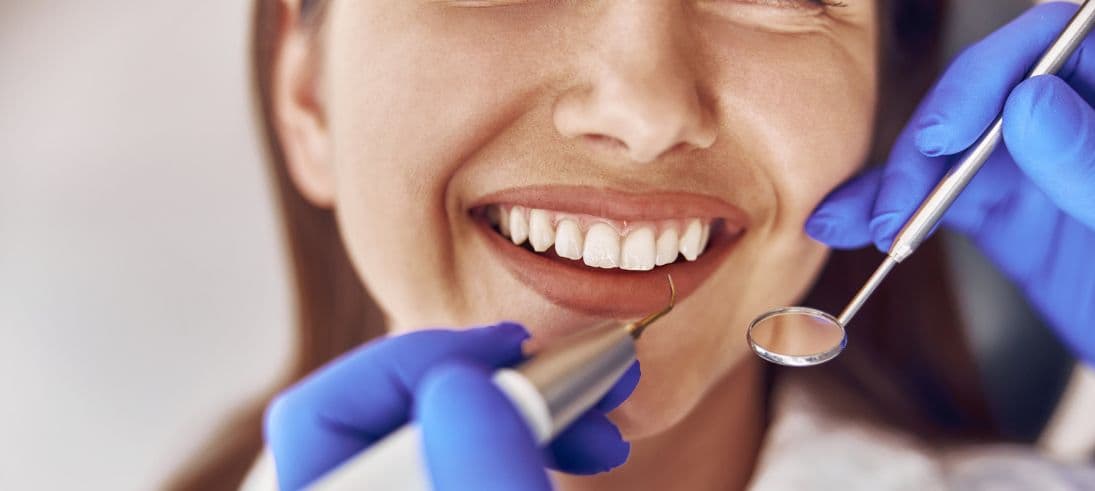
Introduction
Many people who have had composite bonding find themselves wondering how to keep it looking as good as possible — particularly whether it can be polished and, crucially, how to do so without causing lasting damage. It is a common concern, and one that leads many patients in London to search online for guidance.
Composite bonding is a popular cosmetic dental treatment that uses a tooth-coloured resin to reshape, cover, or repair teeth. Over time, composite resin can lose some of its surface lustre, develop minor surface staining, or feel slightly rougher to the tongue. Understanding how to care for and, when appropriate, polish composite bonding correctly is important for maintaining both its appearance and longevity. For related stain-focused guidance, see how airflow polishing helps with stubborn tooth stains.
This article explains how polishing composite bonding works, what risks to be aware of, what you can do at home to maintain your bonding, and when visiting a dental professional is the most appropriate step. The guidance here is educational — individual suitability for any treatment should always be assessed by a qualified dental clinician.
What Is Composite Bonding and Why Does It Need Polishing?
Composite bonding is a dental procedure in which a tooth-coloured composite resin material is applied to the surface of one or more teeth to improve their shape, size, colour, or to repair minor chips and cracks. It is widely used in cosmetic dentistry and, when carried out well, can produce highly natural-looking results.
Unlike porcelain veneers, composite resin is a softer material. This makes it more susceptible to surface staining from foods, drinks such as tea, coffee, and red wine, as well as minor surface wear from everyday use. Over time, the surface of composite bonding can become slightly duller, accumulate surface stains, or develop minor roughness.
Polishing is the process of smoothing and restoring the surface finish of the composite resin. When carried out correctly — using appropriate tools and techniques — it can refresh the appearance of composite bonding without removing material or compromising its integrity.
Because composite is softer than natural tooth enamel, the type of polishing agent used matters significantly. Understanding the difference between professional polishing and at-home maintenance is an important part of looking after this type of dental work.
Why the Material Matters: The Science Behind Composite Resin
To understand how to polish composite bonding without damaging it, it helps to understand what composite resin is made of.
Composite resin consists of a mixture of a plastic resin matrix — typically bisphenol-A-glycidyl methacrylate (Bis-GMA) or a similar compound — combined with inorganic filler particles such as silica or ceramic. The size of these filler particles influences the surface finish and polish-ability of the material. Finer-particle composites generally achieve a smoother, higher-gloss finish and respond better to polishing.
When composite bonding is first placed and cured, it is carefully shaped and polished by the treating clinician. The surface finish at this stage is important — a well-polished surface is smoother, more resistant to staining, and less likely to accumulate plaque. Over time, however, the surface can become scratched or dull, particularly if exposed to abrasive toothpastes, acidic foods, or harsh cleaning products.
Polishing works by progressively smoothing the composite surface using abrasive materials of decreasing coarseness — a process similar to fine sanding of a delicate surface. This is a process best understood as a clinical skill, requiring appropriate equipment and material selection to avoid removing composite or causing surface irregularities that could worsen staining.
How Dental Professionals Polish Composite Bonding
When you visit a dental hygienist or dentist for composite bonding maintenance, polishing is carried out using specialised equipment and materials that are safe for use on composite resin surfaces.
Professional polishing of composite bonding typically involves:
- Fine polishing discs and cups — single-use flexible discs in progressively finer grades, applied with gentle pressure to smooth and refine the composite surface.
- Composite polishing pastes — purpose-formulated pastes containing fine abrasive particles appropriate for composite resin. These are distinct from standard prophylaxis (cleaning) pastes, which may be too abrasive.
- Rubber polishing tips — used with slow-speed handpieces to apply a final high-gloss polish.
- Careful technique — gentle, controlled application to avoid generating excessive heat or removing composite material unnecessarily.
An experienced dental hygienist will also assess the overall condition of the composite bonding during your appointment, checking for any areas of wear, marginal staining, or surface defects that may warrant attention from your treating dentist.
If you are considering how to maintain your composite bonding long-term, learning about dental hygiene appointments in London can help you understand how regular professional care supports the longevity of cosmetic dental work.
What to Avoid When Polishing or Cleaning Composite Bonding
One of the most important aspects of caring for composite bonding is knowing what to avoid. Because composite resin is softer than natural enamel or porcelain, it is more vulnerable to scratching and surface degradation from certain products and habits.
Avoid the following:
- Abrasive toothpastes — whitening toothpastes often contain relatively coarse abrasive particles designed to remove surface stains from enamel. On composite resin, these same particles can scratch the surface over time, dulling its finish and making it more prone to picking up new stains.
- Charcoal toothpastes — these have gained popularity, but research indicates they carry a high abrasive risk to composite surfaces and tooth enamel alike. They are not recommended for patients with composite bonding.
- Hydrogen peroxide-based products — tooth whitening products containing hydrogen peroxide do not lighten composite resin, as the material does not respond to bleaching agents. They may, however, alter the surface characteristics of the resin if used frequently.
- DIY polishing tools or kits — home electric polishing devices or off-the-shelf dental polishing kits are not designed with composite-safe materials in mind and may cause more harm than good.
- Vigorous scrubbing — applying excessive pressure when brushing, particularly with a medium or hard-bristled toothbrush, can gradually abrade composite surfaces.
At-Home Care to Maintain the Appearance of Composite Bonding
Whilst professional polishing is the most effective way to restore or maintain the surface finish of composite bonding, there are several practical steps you can take at home to help preserve its appearance between appointments.
Toothpaste selection: Choose a low-abrasivity toothpaste — look for products with a Relative Dentine Abrasivity (RDA) value below 70. Many sensitivity toothpastes fall within this range. Avoid whitening and charcoal formulations.
Toothbrush choice: Use a soft-bristled toothbrush or an electric toothbrush with a pressure sensor. Brush gently in circular motions rather than applying side-to-side scrubbing pressure.
Dietary awareness: Reduce the frequency of foods and drinks known to cause staining — such as tea, coffee, red wine, and highly pigmented sauces. Rinsing your mouth with water after consuming these can help reduce surface contact time.
Avoid biting hard objects: Composite resin is durable but can chip if used to bite hard objects, ice, or fingernails.
Routine dental appointments: Attend regular dental hygiene appointments to allow a professional to monitor the condition of your bonding and carry out safe, appropriate cleaning and polishing.
Understanding how composite bonding is maintained alongside a wider oral health routine can provide further context on professional aftercare recommendations.
When Professional Assessment of Your Composite Bonding May Be Appropriate
There are a number of situations in which it would be sensible to seek a professional dental assessment rather than attempting to address concerns at home.
You may wish to book an appointment if you notice any of the following:
- Visible surface staining that does not respond to gentle at-home cleaning
- Surface roughness or texture changes that feel different when running your tongue across the tooth
- Chips or cracks in the bonded area, even minor ones
- Colour mismatch between the composite and surrounding teeth, particularly if you have recently had teeth whitening
- Lifting or separation at the margins where the composite meets the tooth
- Increased sensitivity in a tooth that has been bonded
None of these situations should be a cause for alarm — composite bonding can often be refreshed, polished, repaired, or replaced by your dental clinician. However, an in-person assessment is needed to determine the most appropriate course of action based on your specific circumstances.
The Role of the Dental Hygienist in Composite Bonding Maintenance
Dental hygienists play an important and often underappreciated role in the long-term maintenance of composite bonding. Whilst the composite restoration is placed by a dentist, ongoing care — including safe professional polishing, stain removal, and oral health monitoring — typically forms part of routine dental hygiene appointments.
A dental hygienist is trained to use composite-appropriate polishing materials and techniques, meaning that the professional clean you receive during a hygiene appointment will take into account the presence of bonded restorations. They can also advise you on the most appropriate home care products for your individual circumstances.
During a hygiene appointment, the clinician will typically:
- Remove surface plaque and tartar safely around bonded teeth
- Use appropriate polishing agents and techniques for composite surfaces
- Assess the condition of the bonding and flag any concerns to your dentist
- Provide personalised advice on maintaining your bonding and wider oral health
Regular hygiene visits — typically every six months, though the frequency recommended for you may vary — form a cornerstone of keeping composite bonding in good condition over time.
If you are based in London and would like to discuss composite bonding aftercare, you may find it helpful to explore dental hygienist services at our South Kensington clinic.
Prevention and Oral Health Advice for Composite Bonding Patients
Maintaining composite bonding in good condition is largely a matter of consistent, gentle oral hygiene and sensible lifestyle habits. The following preventative advice applies to most patients with composite bonding:
- Brush twice daily using a soft toothbrush and a low-abrasivity fluoride toothpaste
- Floss or use interdental brushes daily to clean around the margins of bonded teeth
- Use a non-alcoholic mouthwash if desired — alcohol-based mouthwashes used frequently may over time affect composite surfaces
- Wear a mouthguard if you grind your teeth at night — bruxism can cause significant wear to composite bonding
- Avoid using teeth as tools — opening packaging, biting nails, or chewing pens places unnecessary stress on bonded teeth
- Attend routine dental appointments so that any early signs of wear or deterioration are identified and managed promptly
- Discuss your bonding with your hygienist and dentist at each visit so they can tailor their approach to your individual dental work
Good preventative habits not only protect your composite bonding but contribute to your wider oral and general health.
Key Points to Remember
- Composite bonding can be polished safely using specialised professional techniques and materials — but the approach used matters significantly.
- Abrasive toothpastes and DIY polishing kits should be avoided, as these can scratch and dull composite resin surfaces.
- At-home care — gentle brushing with a low-abrasivity toothpaste and a soft brush — helps preserve composite bonding between appointments.
- Regular dental hygiene appointments allow safe professional polishing and monitoring of bonded restorations.
- Any changes to the appearance, texture, or feel of composite bonding should be assessed by a dental professional rather than addressed at home.
- Individual aftercare advice will vary depending on the type and extent of your composite bonding — always follow the guidance of your treating clinician.
Frequently Asked Questions
Can I use whitening toothpaste on composite bonding?
Whitening toothpastes are generally not recommended for patients with composite bonding. They typically contain abrasive particles that can scratch and dull the surface of the composite resin over time. Additionally, composite resin does not respond to the bleaching agents found in whitening products. If you wish to maintain or brighten your smile, speak to your dental professional about safe options that are appropriate for teeth with composite restorations, rather than assuming over-the-counter whitening products are suitable.
How often should composite bonding be professionally polished?
There is no single universal answer, as this depends on the extent of your bonding, your diet, and your oral hygiene habits. For most patients, composite bonding can be polished as part of a routine dental hygiene appointment — typically every six to twelve months. Your dental hygienist will use materials appropriate for composite surfaces during this visit. If you notice visible dullness or staining before your next scheduled appointment, it is worth contacting your clinic to discuss whether an earlier visit would be beneficial.
Will professional cleaning scratch or damage composite bonding?
Professional cleaning and polishing carried out by a trained dental hygienist using composite-appropriate materials should not damage your bonding. It is important to inform your hygienist about any composite restorations before your appointment, so they can select suitable polishing pastes and techniques. Standard prophylaxis pastes used for natural teeth may be too abrasive for composite surfaces, which is why communication between patient and clinician is important at every appointment.
Does composite bonding stain easily, and how can I reduce this?
Composite resin is more susceptible to surface staining than porcelain, particularly from dark-pigmented foods and drinks such as coffee, tea, red wine, and certain sauces. You can reduce the risk of staining by limiting frequent consumption of these items, rinsing with water after consuming them, maintaining good oral hygiene at home, and attending regular professional hygiene appointments. A smooth, well-polished composite surface is also less likely to accumulate stains than a roughened one, which underlines the value of professional maintenance.
Can I have my teeth whitened if I have composite bonding?
Tooth whitening treatment can lighten natural tooth enamel but does not affect composite resin. This means that if you whiten your teeth after having composite bonding placed, there may be a visible colour mismatch between your natural teeth and the bonded areas. For this reason, many clinicians recommend whitening teeth first, and then placing composite bonding to match the new, lighter shade. If you are considering whitening and already have composite bonding, discuss this with your dentist before proceeding, as individual assessment is needed.
How long does composite bonding typically last?
The longevity of composite bonding varies between patients and depends on factors including the location of the bonding, bite forces, dietary habits, oral hygiene, and the care taken to protect it. In general, composite bonding may last anywhere from three to seven years or more before requiring repair or replacement, though this varies considerably. Regular professional monitoring and good home care can help extend its lifespan. Any concerns about the condition of your bonding should be discussed with your dentist during a clinical review.
Conclusion
Understanding how to polish composite bonding without damaging it is an important part of caring for your dental work and supporting a healthy smile. Composite resin is a versatile and effective cosmetic dental material, but its softer nature compared to enamel or porcelain means that the choice of cleaning and polishing products — both at home and in the clinic — matters considerably.
The key principles are straightforward: use low-abrasivity products at home, avoid harsh whitening toothpastes and DIY polishing tools, attend regular dental hygiene appointments where composite-safe polishing can be carried out professionally, and communicate openly with your dental team about your bonding at every visit.
Polishing composite bonding safely is not something that requires complex intervention — but it does require appropriate knowledge and, when professional polishing is needed, the right clinical tools and training. If you have any concerns about the condition or appearance of your composite bonding, seeking professional advice is always the most appropriate first step.
Dental symptoms and treatment options should always be assessed individually during a clinical examination.
Disclaimer
This article is for general educational purposes only and does not constitute dental advice. Individual symptoms, diagnoses, and treatment options should always be assessed by a qualified dental professional during a clinical examination.