South Kensington Tube.
Introduction
If you have had dental bonding applied to one or more teeth, you may have wondered how to keep those areas clean without causing damage. Many patients search online after noticing changes around their bonded teeth — such as discolouration, a rough texture, or sensitivity — unsure of whether their usual oral hygiene routine is appropriate or whether professional attention may be needed. Our related guide on how to clean around dental veneers without damaging them offers more educational detail.
Dental bonding uses a tooth-coloured composite resin that is carefully shaped and polished to blend naturally with surrounding enamel. Whilst it can be a highly effective cosmetic and restorative option, the material has distinct properties that differ from natural tooth enamel. Understanding these differences matters enormously when it comes to cleaning and maintenance. Our article on smile makeover preparation: why hygiene comes first explores this in more detail.
Bonded areas near the gum margin or between teeth can accumulate plaque and staining in ways that require a thoughtful, clinically informed approach. This article explains why professional cleaning of bonded teeth is often recommended, what to be aware of, and when to seek a dental assessment.
What Is Dental Bonding and Why Does the Material Matter?
Dental bonding involves the application of a composite resin material directly to the surface of a tooth. It is commonly used to repair minor chips, close small gaps, reshape teeth, or cover surface discolouration. The resin is bonded to the tooth using a mild adhesive process, then shaped and polished to a finish that closely resembles natural enamel.
However, composite resin is not identical to natural tooth enamel in its surface properties. Enamel is one of the hardest substances in the human body, whereas composite resin is considerably softer and more porous at a microscopic level. This means that bonded surfaces can:
- Absorb pigments from food and drink more readily than surrounding enamel
- Accumulate plaque biofilm along their margins
- Become scratched if cleaned with overly abrasive products or instruments
- Gradually lose their polished surface finish over time
These characteristics mean that the way a bonded tooth is cleaned — both at home and professionally — has a direct impact on how long the restoration performs well and continues to look natural. Understanding these material differences is the first step in making informed decisions about your dental care routine.
How Plaque and Staining Affect Bonded Teeth Differently
Plaque is a soft, sticky film of bacteria that forms on all tooth surfaces throughout the day. When plaque is not removed effectively, it can harden into tartar (calculus) and contribute to gum disease and tooth decay. For bonded teeth, the margins where the composite resin meets the natural tooth surface can be particularly prone to plaque accumulation if oral hygiene is inconsistent.
The margin of a bonded restoration — especially at the gumline — may have a slight physical transition between materials. Over time, this area can trap food debris and bacteria. If left undisturbed, this may lead to:
- Localised gum inflammation around the bonded tooth
- Early-stage decay at or beneath the bonding margin
- Visible staining along the edge of the restoration
- A gradual breakdown of the bond between the resin and the tooth
Staining from tea, coffee, red wine, and certain foods can also penetrate composite resin more easily than enamel, causing the bonded area to take on a noticeably different shade to the surrounding teeth. Regular professional cleaning of bonded teeth by a qualified dental hygienist can help manage these changes, though the degree of staining resistance will vary between individuals and restoration types.
If you are considering cosmetic dental treatments or would like to understand how bonding fits into your broader oral health care, it may be worth exploring professional teeth cleaning treatment options to understand how professional support can complement your at-home routine.
The Clinical Science Behind Composite Resin and Cleaning
To understand why bonded areas need careful professional attention, it helps to know a little about the science of composite resin at a surface level.
Composite resin is made up of a polymer matrix reinforced with glass or ceramic filler particles. The smoothness of a bonded surface depends on the size and distribution of these filler particles and the quality of the polishing process applied after placement. When a bonded surface is polished correctly, it can achieve a relatively smooth finish that resists plaque adhesion more effectively.
However, over time and with daily use, this surface can become roughened through:
- Dietary acids from fizzy drinks and citrus foods, which can soften the resin surface slightly
- Abrasive toothpastes, particularly those marketed as whitening formulas, which may scratch composite resin
- Standard ultrasonic scaling instruments used in professional cleaning, which — if applied directly and repeatedly to composite surfaces without appropriate care — can potentially affect the surface texture
This is why a skilled dental hygienist will assess the type and location of any restorations before selecting the instruments and products used during a hygiene appointment. Air polishing systems, hand instruments, and carefully chosen polishing pastes may all be selected with bonded areas in mind to avoid inadvertently altering the surface of the restoration. If you are interested in how clinicians choose powders for these situations, see why airflow powder choice matters during treatment sessions.
What Professional Cleaning of Bonded Teeth Involves
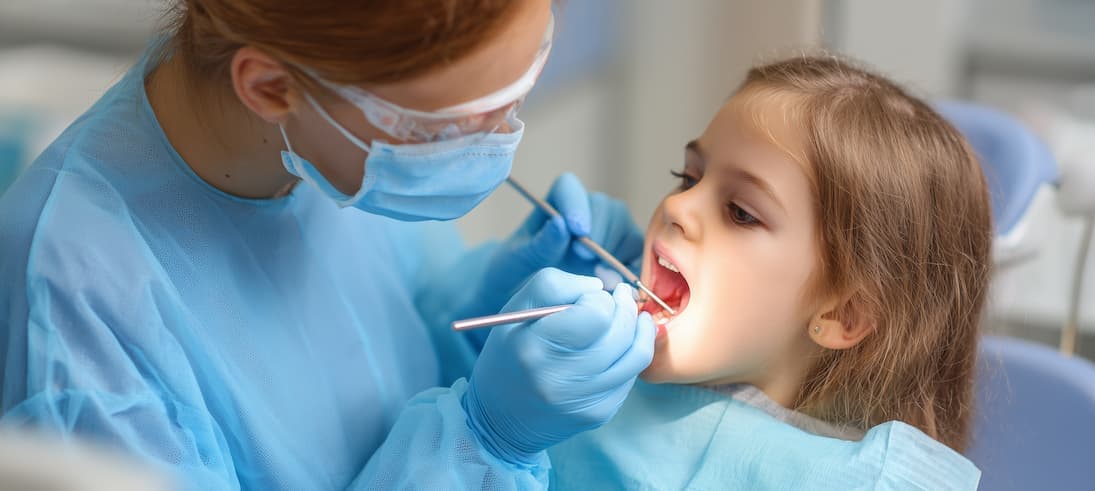
A dental hygienist with experience in treating patients with composite restorations will approach the appointment thoughtfully. The aim is to remove plaque and tartar effectively without compromising the integrity or appearance of the bonded areas.
Professional cleaning for bonded teeth may involve:
- Instrument selection: Hand scalers and curettes may be preferred over certain ultrasonic tips in areas immediately adjacent to or over composite bonding, depending on clinical assessment
- Polishing paste selection: Fine-grade polishing pastes are typically chosen to avoid creating micro-scratches on the resin surface
- Air polishing considerations: Some air polishing systems use gentler powders suitable for use around composite restorations, whilst others may require more careful application near bonded margins
- Gum margin assessment: The hygienist will assess the gum health around bonded teeth to identify any early signs of inflammation or margin breakdown
- Personalised oral hygiene advice: Guidance on interdental cleaning, suitable toothbrush type, and toothpaste choice will be tailored to your specific restorations
This level of clinical care requires experience and an understanding of the different restorative materials used in modern dentistry. It is one reason why informing your dental hygienist about any bonding or other restorations at the start of your appointment is always recommended.
When Professional Dental Assessment May Be Needed
Whilst routine hygiene appointments are part of maintaining bonded teeth, there are certain signs that may indicate a more specific assessment is needed. These are not causes for alarm, but they do suggest that a conversation with a dentist or hygienist sooner rather than later may be worthwhile.
Consider seeking professional advice if you notice:
- Changes in how your bonded tooth feels — for example, a rough edge or a sensation that something has shifted
- Persistent sensitivity around the bonded tooth, particularly to temperature or pressure
- Visible discolouration or darkening at the margin of the bonding that does not respond to gentle cleaning
- Gum tenderness or swelling localised to the area around a bonded tooth
- A gap or chip appearing at the edge of the restoration
None of these symptoms automatically indicate a serious problem, but they may suggest that the restoration requires assessment to determine whether cleaning, re-polishing, or any other clinical attention is appropriate. Dental symptoms and treatment options should always be assessed individually during a clinical examination. For practical maintenance advice, this guide on how to polish composite bonding without damaging it can be useful between appointments. For further background, see our guide on why do fillings feel rough after cleaning? (do they need polishing?).
The video below provides a helpful overview of what a dental hygienist does and why professional preventative care is so important to long-term oral health.
Home Care Tips for Bonded Teeth
Whilst professional cleaning forms an essential part of maintaining bonded teeth, what you do at home every day plays an equally important role. The following guidance reflects general best practice for patients with composite restorations, though your own hygienist or dentist may offer more specific advice based on your clinical situation.
Toothbrushing Use a soft-bristled toothbrush and a non-abrasive fluoride toothpaste. Highly abrasive whitening toothpastes are generally not recommended for use on bonded teeth, as they may scratch the composite surface and accelerate surface roughening.
Interdental Cleaning Clean between your teeth daily using interdental brushes or floss. Be gentle around bonded margins and ask your hygienist which interdental brush size is most appropriate for your spacing.
Diet Considerations Reducing your intake of heavily pigmented drinks such as coffee, tea, and red wine may help slow the rate of staining. Using a straw for cold drinks and rinsing with water after consuming staining foods or drinks is often suggested, though this does not replace brushing.
Avoid Biting Hard Objects Composite resin is more susceptible to chipping than natural enamel. Avoid using bonded teeth to bite nails, open packaging, or chew hard objects such as ice.
Regular Hygiene Appointments Attending regular professional cleaning appointments — typically every three to six months depending on your clinical needs — allows your hygienist to monitor the condition of bonded areas and address any early changes before they develop further.
You can learn more about how professional cleaning may be adjusted for tooth wear through related clinical guidance.
Prevention: Protecting Bonded Areas Over the Long Term
Prevention in the context of bonded teeth involves a combination of good at-home habits and consistent professional support. The longevity and appearance of a composite restoration can be influenced significantly by how well it is maintained over time.
Key preventative strategies include:
- Committing to a consistent twice-daily brushing routine with appropriate technique and products
- Using fluoride toothpaste to support the health of the natural tooth structure surrounding the bonding
- Attending regular dental check-ups so that the restoration can be reviewed periodically for any signs of wear, margin breakdown, or staining
- Discussing your restorations openly with your hygienist at each appointment so that the cleaning approach can be adjusted accordingly
- Avoiding lifestyle habits that accelerate composite staining, such as tobacco use, which can cause significant and difficult-to-remove discolouration on resin surfaces
Preventative care is not about guaranteeing a specific outcome — restorations naturally change over time — but about giving bonded teeth a supportive environment in which to function and maintain their appearance for as long as possible.
For patients interested in understanding the full scope of preventative dental care, learning about the role of our dental team can be a helpful starting point.
Key Points to Remember
- Dental bonding uses composite resin, which has different surface properties to natural enamel and requires careful cleaning
- Bonded areas can be more susceptible to staining, plaque accumulation, and surface scratching than surrounding teeth
- A trained dental hygienist will select appropriate instruments and polishing products to clean bonded teeth safely
- Informing your hygienist about any restorations at the start of each appointment is important for tailoring the cleaning approach
- At-home care, including soft-bristled brushing and non-abrasive toothpaste, plays a significant role in maintaining bonded areas
- Regular professional hygiene appointments help monitor the condition of bonded restorations and support long-term oral health
Frequently Asked Questions
Can a dental hygienist clean teeth that have bonding on them?
Yes, a dental hygienist can clean teeth that have composite bonding. However, they will typically adjust their approach when working around bonded areas. This may involve selecting finer polishing pastes, using hand instruments rather than certain ultrasonic tips directly on the composite surface, and assessing the margins of the restoration carefully. It is always helpful to let your hygienist know about any bonding at the beginning of your appointment so that the most appropriate cleaning approach can be applied.
Will professional cleaning damage my dental bonding?
When carried out by a trained and experienced dental hygienist who is aware of the presence of composite restorations, professional cleaning should not damage bonding. The key is using instruments and products that are appropriate for composite resin surfaces. Standard cleaning techniques used on natural enamel may not always be suitable for use directly over bonded areas, which is why experience and communication between patient and clinician are important factors in any hygiene appointment.
Why does my dental bonding look discoloured after a while?
Composite resin is more porous than natural enamel and can absorb pigments from food and drink over time. Tea, coffee, red wine, and certain foods are common contributors to staining on bonded surfaces. Surface roughening — caused by abrasive products or normal wear — can also make the resin more susceptible to pigment absorption. Professional cleaning and re-polishing by a hygienist or dentist may help manage surface staining, though the degree to which staining can be reversed will vary depending on individual circumstances.
How often should I have my bonded teeth professionally cleaned?
The frequency of professional cleaning appointments should be determined by your dental hygienist or dentist based on your individual oral health needs. Many patients benefit from appointments every three to six months, but this will depend on factors including your overall gum health, your risk of plaque build-up, and the condition of your restorations. Your clinical team is best placed to recommend a schedule that suits your specific situation.
Is there anything I should avoid at home to protect my bonding?
Several at-home habits may help protect composite bonding. Using a soft-bristled toothbrush and a low-abrasion fluoride toothpaste is generally recommended. Highly abrasive whitening toothpastes are best avoided on bonded surfaces. Reducing consumption of heavily pigmented drinks and rinsing with water after consuming them may help limit staining. Avoiding biting hard objects with bonded teeth can help reduce the risk of chipping. Your dental hygienist or dentist can provide guidance specific to your restoration type and location.
Can bonding margins develop gum problems?
The area where composite resin meets the natural tooth — particularly at or near the gumline — can accumulate plaque if not cleaned thoroughly. If plaque is allowed to build up at bonded margins consistently over time, it may contribute to localised gum inflammation in the same way it can around any tooth surface. This is one reason why maintaining good oral hygiene around bonded areas and attending regular hygiene appointments is particularly important. If you notice any persistent redness, swelling, or tenderness around a bonded tooth, it is advisable to mention this to your dental team.
Conclusion
Dental bonding can be a versatile and aesthetically pleasing option for a range of dental concerns, but it requires an informed approach to cleaning and maintenance. The composite resin used in bonding differs from natural enamel in meaningful ways — it is softer, more porous, and responds differently to both at-home cleaning products and professional instruments.
Professional cleaning of bonded teeth is most effective when carried out by a hygienist who understands the properties of composite resin and adjusts their technique accordingly. At the same time, consistent and appropriate home care plays an equally important role in keeping bonded areas clean and minimising the risk of staining or margin breakdown over time.
If you have bonding on one or more teeth, sharing this information with your dental team at each appointment helps ensure that your hygiene care is tailored to your specific needs. Early attention to any changes around bonded restorations is always preferable to waiting until symptoms become more pronounced.
Dental symptoms and treatment options should always be assessed individually during a clinical examination.
Disclaimer
This article is for general educational purposes only and does not constitute dental advice. Individual symptoms, diagnoses, and treatment options should always be assessed by a qualified dental professional during a clinical examination.