

 South Kensington Tube.
Introduction
For many adults and students in London, exam periods bring long revision sessions, disrupted sleep, irregular meals, and a growing list of things that feel more urgent than booking a dental appointment. It is entirely understandable that dental care during exam periods can slip down the priority list — but the consequences of doing so are worth understanding before they become a clinical concern.
Stress, poor dietary choices, and neglected oral hygiene routines can all contribute to changes in your oral health that may go unnoticed until they develop into something requiring treatment. Whether you are a postgraduate student, a professional sitting professional assessments, or a parent supporting a child through GCSEs or A-Levels, understanding how to maintain your oral health during high-pressure periods is genuinely valuable.
This article explains why exam season can affect your teeth and gums, what to watch out for, and practical steps you can take to keep your dental health on track — without adding significant burden to an already demanding schedule.
Featured Snippet: Dental Care During Exam Periods
Maintaining dental care during exam periods involves keeping a consistent brushing and flossing routine, reducing sugary snack intake, staying hydrated, and not postponing scheduled dental appointments. Stress can increase the risk of teeth grinding and gum sensitivity, so being aware of these changes and seeking professional advice when needed is important for long-term oral health.
Why Exam Stress Can Affect Your Oral Health
Psychological stress has a well-documented connection to oral health, and exam periods represent one of the more intense forms of short-term stress many people experience. When the body is under stress, cortisol levels rise, which can suppress immune function and make the gum tissues more susceptible to inflammation and infection.
One of the most common stress-related dental concerns is bruxism — the involuntary grinding or clenching of teeth, often during sleep. Many people are entirely unaware they are doing it until they notice jaw soreness, headaches on waking, or sensitivity in certain teeth. Left unaddressed, bruxism can contribute to enamel wear and, in some cases, tooth sensitivity or damage to dental restorations.
Stress may also lead to changes in eating habits. Reaching for high-sugar snacks, energy drinks, or caffeinated beverages throughout long study sessions creates repeated acid challenges to tooth enamel. When these habits are sustained across several weeks of exam preparation, the cumulative effect on enamel and gum health can be meaningful.
Additionally, disrupted sleep patterns during exams can reduce saliva production. Saliva plays a protective role in the mouth — it helps neutralise acids, wash away food debris, and inhibit the growth of harmful bacteria. Reduced saliva production, often associated with stress and caffeine intake, can make the oral environment less self-protective.
Understanding these mechanisms is the first step in taking practical measures to counteract them.
Common Oral Health Changes to Be Aware of During Exams
Knowing what changes to look out for can help you decide whether to monitor a symptom or seek professional guidance sooner. During periods of heightened stress, some of the more commonly reported oral health changes include:
Gum sensitivity or mild bleeding — Inflamed or bleeding gums during brushing can be an early indicator that the gum tissues are under stress or that oral hygiene has become less consistent. This is not something to ignore, as early-stage gum concerns respond well to professional cleaning and improved home care.
Tooth sensitivity — Increased sensitivity to hot, cold, or sweet foods may point to enamel thinning, exposed root surfaces, or the beginning of tooth grinding. If sensitivity is new or has noticeably worsened, it is worth noting.
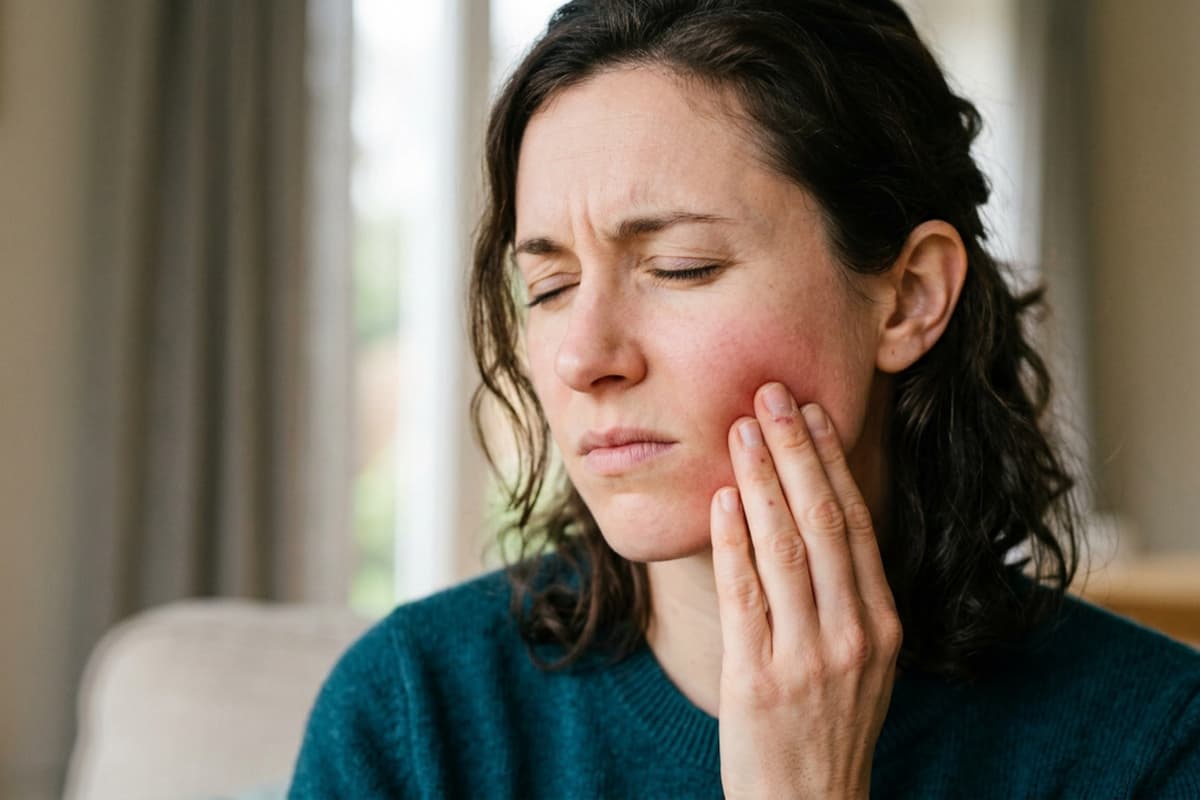
Jaw soreness or facial muscle fatigue — Often a sign of bruxism or clenching, jaw discomfort upon waking is a common complaint during stressful periods.
Mouth ulcers — These are frequently associated with stress and reduced immune resilience. Most heal independently within one to two weeks, but persistent or unusually large ulcers should be assessed professionally.
Dry mouth — A persistent sensation of dryness, often worsened by caffeine, dehydration, and irregular sleep, can make the mouth feel uncomfortable and reduce its natural protective mechanisms.
None of these symptoms should cause undue alarm, but they are worth monitoring. If any persist beyond the exam period or worsen, arranging a dental assessment is a sensible step.
The Dental Science Behind Stress and Oral Health
To understand why the mouth is so responsive to periods of stress, it helps to consider some of the underlying biology involved.
The oral environment is kept in balance by saliva, the integrity of the gum tissues, and the mineralisation of tooth enamel. Tooth enamel — the hard, outer surface of each tooth — is a highly mineralised structure that protects the more sensitive dentine and pulp beneath it. It is not living tissue and cannot regenerate itself once lost, which is why acid erosion and abrasion are of clinical concern.
When dietary acids from foods and drinks — or the acids produced by bacteria feeding on sugars — come into contact with enamel, a process called demineralisation begins. Saliva plays a critical role here: it contains minerals such as calcium and phosphate that allow enamel to partially remineralise between acid challenges. This natural process relies on there being adequate time between acid exposures and sufficient saliva flow.
During exam periods, the pattern of frequent snacking, high-sugar or acidic drink consumption, and reduced saliva flow can tip this balance towards demineralisation. Over time, this may manifest as early-stage enamel softening, increased sensitivity, or the beginnings of cavities in areas that were previously unaffected.
The gum tissues are equally affected by systemic stress. The gingival (gum) tissues are supported by the immune system's local response to bacterial plaque. When stress suppresses immune function and oral hygiene becomes less consistent, the gum tissues may become more inflamed, bleed more readily, or feel tender. This state — known as gingivitis when it affects the gum tissue only — is generally reversible with improved hygiene and professional care.
Understanding these processes reinforces why maintaining even a basic routine during exam periods is genuinely worthwhile.
Practical Ways to Maintain Dental Hygiene During Busy Periods
Dental care does not need to be time-consuming to be effective. The following practical measures can help you protect your oral health without disrupting your revision schedule.
Maintain a consistent brushing routine. Brushing twice daily with a fluoride toothpaste — once before bed and once at another time during the day — remains the cornerstone of good oral hygiene. Fluoride helps strengthen enamel and reduce the risk of cavities. This takes no more than two minutes each time and should remain non-negotiable even during the busiest weeks.
Use interdental cleaning tools. Floss, interdental brushes, or water flossers help remove plaque from areas that a toothbrush cannot effectively reach. Using these once daily, ideally before the evening brush, makes a meaningful difference to gum health over time.
Be mindful of snacking patterns. If you are studying for long periods, try to consolidate snacks and drinks into set times rather than grazing continuously. This reduces the frequency of acid exposure for your teeth. Where possible, opt for lower-sugar options such as cheese, nuts, or plain water.
Stay hydrated with water. Drinking water throughout the day — particularly fluoridated tap water — helps maintain saliva flow and reduces dry mouth. This is especially important if you are consuming caffeinated drinks such as coffee, tea, or energy drinks.
Do not postpone existing dental appointments. If you have a dental hygiene appointment or a check-up scheduled during an exam period, try to keep it. Regular professional cleaning removes calculus (hardened plaque) that cannot be removed at home, and routine examinations allow any emerging concerns to be identified early. For those looking to establish a preventative routine, dental hygiene appointments in London provide professional cleaning and tailored home care advice.
Consider a night guard if you grind your teeth. If you notice signs of teeth grinding — jaw soreness, morning headaches, or visible wear on teeth — speaking to a dental professional about whether a custom occlusal splint or night guard may be appropriate is worthwhile. This is a clinical decision that depends on individual assessment.
When Professional Dental Assessment May Be Appropriate
There are situations during or after exam periods when seeking professional dental advice is a sensible and responsible decision. It is not always possible to self-assess the significance of an oral health change, and a clinical examination provides clarity that online research cannot.
Consider arranging a dental appointment if you notice:
- Persistent tooth pain or sensitivity that does not resolve within a few days
- Gums that bleed regularly during brushing despite good oral hygiene
- Swelling in the gum tissue, face, or jaw area
- A tooth that feels loose or has changed in feel when biting
- Mouth ulcers that have not healed after two to three weeks
- Jaw pain, clicking, or restricted mouth opening that is worsening
- A cracked or chipped tooth, particularly if sensitivity is present
Many of these presentations are entirely manageable when addressed promptly. The earlier a dental concern is assessed, the more straightforward the clinical response tends to be. If you are unsure whether a symptom warrants attention, a brief consultation can provide reassurance or identify a next step.
For individuals experiencing gum sensitivity or bleeding that concerns them, a professional gum health assessment can help identify whether treatment is needed and provide personalised advice.
Meet Our Dental Hygienist Team
To learn more about the professional dental care available at our clinic, watch the video below:
Nutrition and Hydration: Supporting Your Teeth Through Exam Season
The relationship between diet and dental health is direct and well-established. During exam periods, dietary habits can shift considerably — often in ways that are less than ideal for oral health. Being aware of the most impactful dietary factors can help you make small but meaningful adjustments.
Sugar and refined carbohydrates are the primary fuel source for the bacteria responsible for tooth decay. These bacteria produce acids as a by-product of metabolising sugars, and it is these acids that begin the process of enamel demineralisation. High-sugar snacks, energy drinks, sports drinks, and sweetened coffee or tea all contribute to repeated acid exposure.
Acidic foods and drinks present a separate but related concern. Citrus fruits, fizzy drinks (including sugar-free varieties), vinegar-based foods, and fruit juices are all acidic and can directly erode enamel if consumed frequently. If you do consume acidic drinks, using a straw and rinsing with water afterwards can help reduce their contact with tooth surfaces. Avoid brushing immediately after acidic consumption — waiting 30–60 minutes allows saliva to begin the remineralisation process before brushing.
Calcium-rich foods such as dairy products, leafy greens, and fortified plant-based milks support enamel mineralisation and are worth including in your diet where possible.
Vitamin C plays an important role in the health of gum tissue. During periods of poor nutrition or high stress, intake may fall. Including foods rich in vitamin C — such as kiwi fruit, bell peppers, or broccoli — supports gum tissue integrity.
Hydration is equally important. Dehydration reduces saliva flow, which in turn reduces the mouth's natural protective and cleansing mechanisms. Aiming for adequate water intake throughout the day is one of the simplest and most cost-effective dental health measures available.
Managing Teeth Grinding and Jaw Tension During Stressful Periods
Bruxism — the clinical term for teeth grinding or clenching — is significantly more common during periods of psychological stress. Many people are unaware they are grinding their teeth because it most often occurs during sleep. However, daytime clenching during concentrated study sessions is also reported by many individuals.
The effects of sustained bruxism can include:
- Gradual flattening or wearing of biting surfaces
- Increased tooth sensitivity due to thinning enamel
- Fractures in teeth or existing restorations
- Temporomandibular joint (TMJ) discomfort, including clicking, popping, or restricted movement
- Facial muscle fatigue, particularly in the masseter (jaw) muscle
- Tension headaches, often felt on waking
If you suspect you may be grinding your teeth, there are some self-care strategies that may help in the short term. These include conscious relaxation of the jaw during waking hours, reducing caffeine intake (which can heighten nervous system activity), maintaining a consistent sleep routine, and practising stress-reduction techniques such as breathing exercises or brief physical activity.
It is important to note, however, that the appropriateness of any clinical intervention — including a custom night guard — depends on individual assessment. If you are concerned about teeth grinding or jaw symptoms, speaking with a dental professional is the most appropriate course of action.
Prevention and Long-Term Oral Health After Exam Season
Once the exam period is over, it is worth taking stock of your oral health and re-establishing a consistent routine if it has lapsed. Prevention remains the most effective and cost-efficient approach to dental health across the long term.
The foundations of a good preventative oral health routine include:
- Twice-daily brushing with a fluoride toothpaste, using a soft-to-medium bristled brush or electric toothbrush
- Daily interdental cleaning using floss or interdental brushes sized appropriately for your spaces
- Regular dental hygiene appointments — the frequency of which should be guided by your dental professional based on your individual risk profile
- Balanced diet with limited free sugar intake and adequate hydration
- Not smoking or vaping, both of which are associated with significantly higher risks of gum disease and oral cancer
If you have not had a dental check-up or hygiene appointment in over a year, the post-exam period is a natural and practical time to book one. Routine professional assessments allow early-stage issues to be identified before they progress, and professional cleaning removes calculus that home care cannot address. Learning about routine hygiene and examination appointments is a useful starting point for those looking to re-engage with preventative dental care.
Key Points to Remember
- Dental care during exam periods can easily be deprioritised, but maintaining even a basic routine makes a meaningful difference to long-term oral health.
- Stress is associated with teeth grinding, gum sensitivity, mouth ulcers, and dry mouth — all of which are worth monitoring.
- Frequent consumption of sugary and acidic foods and drinks increases the risk of enamel erosion and cavities; reducing snacking frequency helps.
- Staying well hydrated supports saliva production, which plays a key role in protecting the teeth and gums.
- Symptoms such as persistent pain, swelling, unresolved mouth ulcers, or regular gum bleeding warrant professional dental assessment.
- Post-exam periods are an excellent time to re-establish a preventative dental routine and book any overdue appointments.
Frequently Asked Questions
Can stress during exams actually damage my teeth?
Stress itself does not directly damage teeth, but the behaviours associated with stress can contribute to oral health changes. Teeth grinding, poor dietary choices, reduced sleep, and inconsistent oral hygiene routines — all common during exam periods — can each contribute to enamel wear, gum sensitivity, or increased decay risk over time. Being aware of these patterns and taking steps to address them can help reduce the impact on your oral health. If you notice persistent symptoms, a dental assessment is recommended.
Is it safe to skip a dental appointment during exams?
Where possible, keeping a scheduled dental appointment is advisable, even during busy exam periods. Routine appointments allow early-stage issues to be identified and professional cleaning to take place. If rescheduling is genuinely unavoidable, try to book an alternative date as soon as possible. Postponing dental care repeatedly can allow minor concerns to develop into issues requiring more involved treatment. Treatment suitability and clinical need are always assessed individually by a dental professional.
What can I do about jaw pain or teeth grinding during exam season?
If you notice jaw soreness, morning headaches, or suspect you may be grinding your teeth, it is worth making a note of your symptoms and speaking with a dental professional. In the short term, consciously relaxing the jaw, reducing caffeine intake, and ensuring adequate sleep may help. Clinical options such as a custom occlusal splint are available but depend entirely on individual assessment. It would not be appropriate to self-prescribe any device without professional evaluation.
Why do my gums bleed more when I am stressed?
Gum bleeding during brushing can have several causes, including inconsistent brushing technique, plaque accumulation, or early-stage gum inflammation. During stressful periods, immune function may be temporarily reduced, making the gum tissues more reactive. Additionally, if brushing frequency or thoroughness has decreased, plaque levels around the gumline can increase. Bleeding gums that persist beyond a short period of improved oral hygiene should be assessed professionally, as early gum concerns respond well to treatment.
Are energy drinks and coffee bad for my teeth during exams?
Both energy drinks and coffee present considerations for oral health. Energy drinks are typically both acidic and high in sugar, contributing to enamel erosion and acid challenges. Coffee is acidic and, when taken with sugar, adds to decay risk. Additionally, both are diuretics and can contribute to mild dehydration, reducing saliva flow. Where possible, limiting consumption and rinsing with water after drinking them can help reduce their impact. These are general dietary considerations; individual risk factors should be discussed with a dental professional.
How soon after exams should I book a dental check-up?
If you have an existing check-up scheduled, keeping that appointment is preferable. If your last dental examination or hygiene appointment was over a year ago, booking one as soon as your exam period concludes is a sensible and proactive step. Even if you have not noticed specific symptoms, routine examinations allow a dental professional to identify changes that may not yet be causing noticeable discomfort. Early identification of any concerns typically allows for simpler, less invasive management.
Conclusion
Maintaining dental care during exam periods is entirely achievable with a small amount of awareness and consistency. The pressures of exams are real, and it is natural for some aspects of self-care to feel less immediate during those weeks. However, understanding the connection between stress, diet, and oral health — and knowing what to watch out for — allows you to make informed decisions about your dental wellbeing rather than leaving it entirely to chance.
The core message is straightforward: keeping a consistent twice-daily brushing routine, staying hydrated, being mindful of sugary and acidic food and drink consumption, and not postponing existing dental appointments are all practical measures that protect your oral health without requiring significant time or effort.
If you notice persistent symptoms during or after an exam period — including tooth pain, gum bleeding, jaw discomfort, or unresolved mouth ulcers — it is worthwhile seeking a professional dental assessment. Dental care during exam periods matters, and early attention to emerging concerns is always preferable to delayed treatment.
Dental symptoms and treatment options should always be assessed individually during a clinical examination.
Disclaimer
This article is for general educational purposes only and does not constitute dental advice. Individual symptoms, diagnoses, and treatment options should always be assessed by a qualified dental professional during a clinical examination.