

 South Kensington Tube.

Introduction
Many patients leave an airflow polishing appointment feeling genuinely surprised by the difference in their smile — and then find themselves wondering whether the results reflect their true, natural tooth colour or something beyond it. This is one of the most common questions people type into search engines after a hygiene appointment: "Why do my teeth look different after airflow polishing?" or "Can airflow polishing make my teeth whiter?"
Understanding natural tooth colour after airflow polishing is important because it helps patients set realistic expectations, appreciate what the treatment actually achieves, and make informed decisions about any further cosmetic dental care they might consider. Airflow polishing is a highly effective, minimally abrasive hygiene treatment — but it works in a specific and clinically meaningful way that is worth understanding properly.
This article explains what airflow polishing does to the tooth surface, why the concept of natural tooth colour matters, and when professional dental advice may be appropriate if you have further concerns about your smile.
Featured Snippet: What Is Natural Tooth Colour After Airflow Polishing?
Airflow polishing removes surface staining, biofilm, and discolouration caused by food, drink, and lifestyle factors — revealing the tooth's natural underlying colour. It does not alter the intrinsic shade of your teeth. Natural tooth colour after airflow polishing reflects your enamel's true tone, which varies between individuals and cannot be changed without professional whitening treatment.
What Is Airflow Polishing and How Does It Work?
Airflow polishing is a professional dental hygiene technique that uses a controlled jet of warm water, compressed air, and fine powder particles — typically sodium bicarbonate or erythritol-based compounds — to gently but effectively remove surface deposits from teeth and around the gum line.
Unlike traditional scaling, which uses mechanical instruments to remove hardened calculus, airflow polishing is particularly effective at clearing away soft deposits, biofilm, and extrinsic staining — the kind of discolouration caused by coffee, tea, red wine, tobacco, and certain foods. The treatment is comfortable for most patients and is often performed as part of a wider professional dental hygiene appointment.
Because the jet of particles works efficiently across the tooth surface and in areas that are difficult to reach with conventional tools — including around orthodontic brackets, implant restorations, and subgingival sites when appropriate equipment is used — airflow polishing has become a valued part of modern preventative and hygiene-focused dental care.
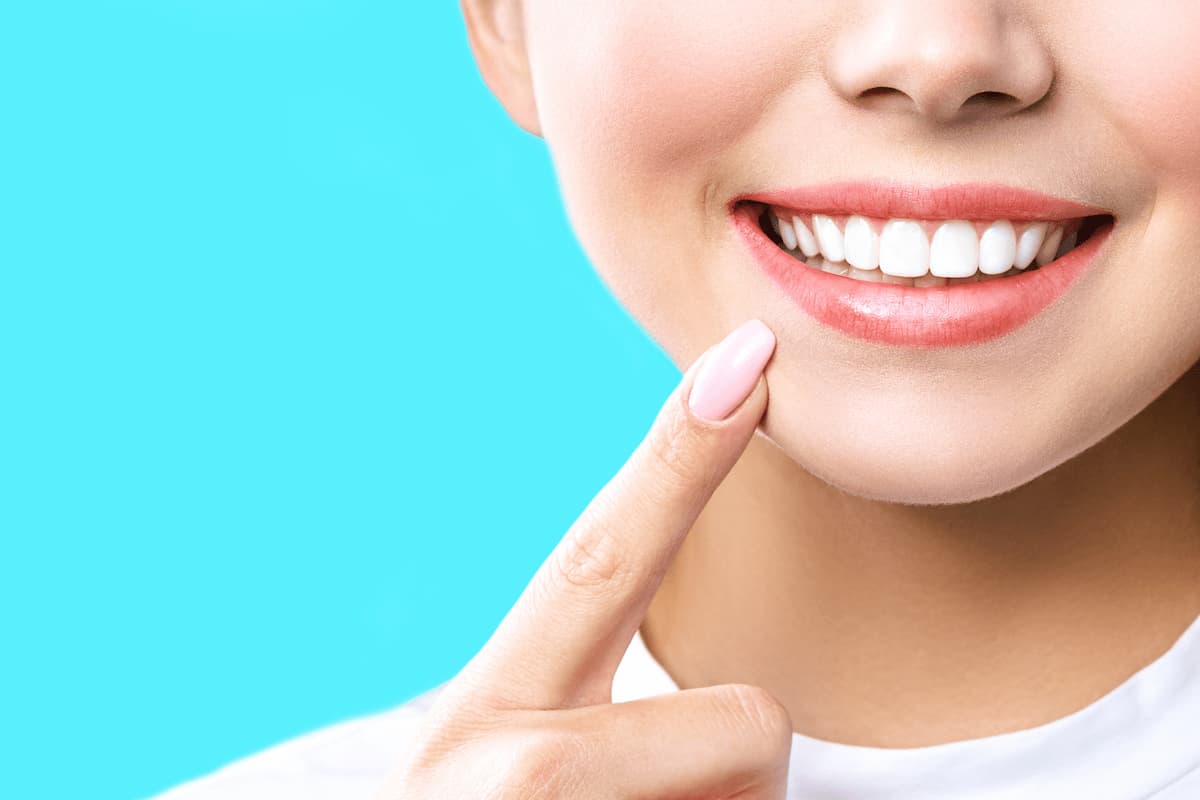
Crucially, what airflow polishing reveals is not a new, brighter tooth shade — it is simply the enamel surface that was previously obscured by accumulated staining and plaque biofilm. For many patients, this distinction matters enormously when managing expectations.
Understanding Natural Tooth Colour: The Science Behind Your Smile
Natural tooth colour is determined primarily by the structure and thickness of two key tissues: enamel and dentine.
Enamel is the hard, translucent outer layer of the tooth. It is the most mineralised tissue in the human body, but it is not pure white. Enamel is semi-transparent, meaning that light passes through it and reflects off the layer beneath — the dentine.
Dentine is the layer directly beneath the enamel. It is naturally yellow, grey, or brownish in tone depending on the individual. Because dentine makes up the bulk of the tooth's core, its colour significantly influences how the tooth appears to the eye. The thinner the enamel layer, the more the dentine's shade shows through — which is why teeth may appear more yellow with age, as enamel gradually wears over a lifetime.
Additionally, intrinsic staining — discolouration within the internal structure of the tooth — can occur due to factors such as certain medications taken during tooth development, fluorosis, trauma, or developmental conditions. This type of staining cannot be removed by any external cleaning treatment, including airflow polishing.
It is also worth noting that no two people share exactly the same natural tooth shade. The wide variety of natural tooth colours seen in patients is entirely normal and reflects natural biological variation.
Understanding this dental science helps clarify why a professional hygiene treatment such as airflow polishing can produce a noticeably fresher appearance without fundamentally changing the colour of the enamel or dentine itself. You can explore more about professional dental hygiene treatments available at our London clinic.
What Airflow Polishing Can and Cannot Do
It is important to have a clear and balanced understanding of what airflow polishing is clinically designed to achieve — and equally, what lies beyond its scope.
What airflow polishing can do:
- Remove extrinsic staining caused by dietary habits, tobacco use, or lifestyle factors
- Clear biofilm and plaque deposits from tooth surfaces, interproximal spaces, and around the gum margin
- Improve the overall appearance of teeth by restoring their natural surface tone
- Support gum health by reducing the bacterial load around gum tissue
- Complement professional scaling as part of a full hygiene appointment
- Reach areas that are difficult to clean with conventional instruments
What airflow polishing cannot do:
- Change the intrinsic shade of the enamel or dentine
- Whiten teeth beyond their natural baseline colour
- Treat intrinsic staining caused by developmental or systemic factors
- Replace dental whitening treatment if a patient wishes to lighten their tooth shade
This distinction is not a limitation of the technology — it is simply an accurate reflection of what the treatment is designed to achieve. Airflow polishing is a preventative and hygiene-focused tool, not a cosmetic whitening procedure. Patients who hope to lighten their teeth beyond their natural colour should discuss professional tooth whitening options during a clinical consultation.
Why Managing Expectations Around Tooth Colour Matters
One reason natural tooth colour matters so much in the context of airflow polishing is patient satisfaction. When a person books a hygiene appointment hoping their teeth will emerge noticeably whiter — in the way a cosmetic bleaching treatment might achieve — they may feel disappointed if no one has set appropriate expectations beforehand.
Equally, some patients are pleasantly surprised when staining that has built up over months or years is removed, revealing a naturally brighter smile than they were expecting. In these cases, the results can feel significant and rewarding.
The key message for patients is this: airflow polishing restores your natural tooth colour; it does not create a new one. What you see after a thorough airflow treatment is an accurate representation of your teeth's underlying enamel shade — cleaned, polished, and free from extrinsic deposits.
If after a professional hygiene appointment you feel your tooth shade is something you would like to explore further, this is a perfectly reasonable discussion to have with your dental professional. Options such as professionally supervised tooth whitening may be appropriate depending on your individual clinical situation. Treatment suitability always depends on a thorough clinical assessment.
When Professional Dental Assessment May Be Appropriate
There are several situations in which it may be appropriate to seek a professional dental assessment — either before or after an airflow polishing treatment.
You may wish to consult a dental professional if:
- You notice discolouration in one or more teeth that does not appear related to staining — for example, a single tooth appearing greyer or darker than others, which may occasionally indicate a change within the tooth
- You experience sensitivity following hygiene treatment that does not settle within a few days
- You are unsure whether the colour change you are seeing after treatment is within the range of your natural tooth shade
- You are considering tooth whitening and want to understand which options are clinically suitable for you
- You have concerns about gum health, as changes in tissue colour or condition around the gum margin can sometimes benefit from professional evaluation
None of these situations should cause alarm, but they are examples of circumstances where a calm, professional conversation with a dental hygienist or dentist can provide clarity and peace of mind. Early, routine dental assessment is always preferable to managing concerns in isolation.
Watch: What Does a Dental Hygienist Do? | Essential Preventive Care Explained
The Role of Regular Hygiene Appointments in Maintaining Your Natural Smile
One of the most effective ways to protect and preserve your natural tooth colour over time is through consistent, professional dental hygiene care. Surface staining accumulates gradually and is often barely noticeable on a day-to-day basis — but over months, it can build into a visible layer that dulls the natural brightness of the enamel surface.
Regular airflow polishing sessions — typically recommended every three to six months depending on individual clinical needs — help prevent heavy staining from becoming established, making each appointment more comfortable and the results more consistent.
In addition to professional cleaning, the following habits can help patients maintain their natural tooth appearance between appointments:
- Rinsing with water after consuming staining foods or beverages such as coffee, tea, and red wine
- Maintaining a thorough daily oral hygiene routine, including twice-daily brushing with fluoride toothpaste and daily interdental cleaning
- Using a straw when drinking cold, staining beverages to reduce direct contact with tooth surfaces
- Attending hygiene appointments at the recommended intervals for your individual needs
- Avoiding or reducing tobacco use, which is one of the most significant contributors to surface staining
If you are interested in understanding more about how airflow polishing works as part of a hygiene appointment, our team in London would be happy to discuss your individual oral health needs.
Tooth Whitening: The Next Step If You Want to Go Beyond Natural Colour
For patients who, after airflow polishing, decide they would like to lighten their teeth beyond their natural baseline shade, professionally supervised tooth whitening may be an option worth exploring. In the United Kingdom, tooth whitening using regulated concentrations of hydrogen peroxide or carbamide peroxide is a treatment that must be prescribed and supervised by a registered dental professional.
It is important to understand that tooth whitening is a separate clinical process from hygiene treatment. It works by penetrating the enamel surface to lighten the underlying dentine shade — something that surface cleaning treatments are not designed to do.
Whitening is not suitable for everyone, and clinical suitability depends on individual factors including the health of the gums, the presence of restorations, and the nature of any discolouration. A thorough clinical assessment is always necessary before beginning any whitening programme.
It is equally important that patients approach tooth whitening with realistic expectations: professionally supervised whitening can produce meaningful results for many people, but outcomes vary, and individual results cannot be guaranteed.
If you are curious about your options, you can find out more about tooth whitening consultations available at our London practice.
Prevention and Oral Health Advice: Protecting Your Natural Smile
Preserving your natural tooth colour is not only about the treatments you receive at the dental clinic — it is significantly influenced by your daily habits and lifestyle choices. Here are some practical, evidence-informed steps you can take to support your oral health and maintain the results of a professional hygiene appointment:
Brush effectively, not excessively. Use a soft-bristled toothbrush and fluoride toothpaste twice daily. Avoid brushing immediately after acidic foods or drinks, as this can contribute to enamel wear over time.
Clean between your teeth daily. Interdental brushes or floss help remove plaque from areas that a toothbrush cannot reach — areas where staining and gum problems can develop unnoticed.
Stay hydrated. Water — particularly fluoridated tap water — helps rinse away food particles and maintains a healthy oral environment.
Be mindful of dietary acids. Frequent consumption of citrus fruits, fizzy drinks, and vinegar-based foods can soften enamel over time, making the tooth surface more susceptible to staining and wear.
Attend regular dental check-ups. Even when teeth feel comfortable and appear healthy, routine dental examinations allow a professional to identify early changes that may not yet be causing symptoms.
Discuss any concerns with your dental team. If you notice changes in the colour, sensitivity, or condition of your teeth, raising these at your next appointment allows them to be assessed in context.
Key Points to Remember
- Natural tooth colour after airflow polishing reflects the true underlying shade of your enamel and dentine, free from extrinsic staining and biofilm.
- Airflow polishing is a professional hygiene treatment — it removes surface deposits effectively but does not alter the intrinsic colour of the tooth.
- Tooth colour is determined by the thickness and translucency of enamel combined with the shade of the dentine beneath — both of which vary naturally between individuals.
- If you wish to lighten your teeth beyond their natural shade, professionally supervised tooth whitening is a separate treatment that requires individual clinical assessment.
- Regular hygiene appointments and good daily oral hygiene habits are the most effective way to maintain your natural smile between professional treatments.
- Any concerns about tooth colour, sensitivity, or gum health are best assessed by a registered dental professional during a clinical examination.
Frequently Asked Questions
Will airflow polishing make my teeth noticeably whiter?
Airflow polishing can make your teeth appear fresher and brighter by removing surface staining, biofilm, and discolouration that has built up over time. However, it does not change the intrinsic shade of your teeth. What you see after treatment is your natural tooth colour — revealed clearly without the layer of extrinsic deposits that may have been obscuring it. If you would like your teeth to be a lighter shade than their natural baseline, tooth whitening is a separate treatment that can be discussed with your dental team following a clinical assessment.
How long does the improved appearance last after airflow polishing?
The duration of results varies between individuals and depends significantly on lifestyle factors such as diet, tobacco use, and oral hygiene habits. For many patients, the benefits of a thorough airflow polishing appointment can last several months. Regular hygiene appointments — typically recommended every three to six months — help prevent significant staining from re-establishing. Rinsing with water after consuming staining foods and drinks, and maintaining a consistent daily oral hygiene routine, also help to extend the results between appointments.
Is airflow polishing suitable for everyone?
Airflow polishing is well tolerated by the majority of patients and is considered a gentle, minimally invasive hygiene technique. However, individual suitability depends on factors such as gum health, the presence of dental restorations, and any specific oral health conditions. Some patients with certain sensitivities or health considerations may benefit from an adapted approach. Your dental hygienist will assess your individual oral health status and determine the most appropriate treatment for your needs during your appointment.
Can airflow polishing remove all types of tooth staining?
Airflow polishing is very effective at removing extrinsic staining — the surface discolouration caused by food, drink, tobacco, and similar external factors. It is not designed to treat intrinsic staining, which originates within the tooth structure itself. Intrinsic discolouration can result from factors such as certain medications, developmental conditions, fluorosis, or trauma and typically requires a different clinical approach. If you have staining that does not respond to hygiene treatment, your dental team can advise on appropriate options following an assessment.
How is airflow polishing different from traditional tooth polishing?
Traditional prophylaxis polishing typically uses a rotating rubber cup with a polishing paste to clean the visible surfaces of teeth. Airflow polishing uses a pressurised jet of warm water, air, and fine powder to deliver a more thorough and comfortable clean — particularly effective around the gum margin, in interproximal spaces, and in areas that are difficult to reach with conventional instruments. Many patients find airflow polishing more comfortable than traditional polishing methods, and it is particularly well suited to patients with dental restorations, implants, or orthodontic appliances.
Should I book a tooth whitening consultation separately from my hygiene appointment?
Yes — tooth whitening is a separate clinical treatment that requires its own consultation and assessment. It is typically recommended that patients complete a professional hygiene appointment before beginning a whitening programme, as clean, stain-free teeth tend to respond more evenly to whitening agents. During a whitening consultation, your dental professional will assess the health of your gums and enamel, discuss realistic outcomes, and determine whether whitening is clinically appropriate for you. Treatment suitability cannot be confirmed without an individual clinical examination.
Conclusion
Understanding why natural tooth colour matters after airflow polishing helps patients approach their dental hygiene appointments with clarity and realistic expectations. Airflow polishing is a clinically effective, patient-friendly treatment that removes surface deposits and reveals the tooth's natural underlying colour — but it does not alter the intrinsic shade of your enamel or dentine. The brightness some patients experience after treatment is the result of a genuinely thorough clean, not a whitening effect.
Your natural tooth colour is unique to you, influenced by the structure of your enamel and dentine, and entirely normal — however it appears. If you have concerns about tooth shade, sensitivity, or any aspect of your oral health, a professional dental assessment is the most reliable way to receive accurate, personalised guidance.
Whether you are maintaining excellent oral health with regular hygiene visits or exploring your options for further cosmetic care, the right starting point is always a professional conversation with a registered dental professional.
Dental symptoms and treatment options should always be assessed individually during a clinical examination.
Disclaimer
This article is for general educational purposes only and does not constitute dental advice. Individual symptoms, diagnoses, and treatment options should always be assessed by a qualified dental professional during a clinical examination.