South Kensington Tube.
One of the most common questions patients ask before or after their appointment is whether they can eat after a dental hygiene visit. It is a perfectly reasonable concern — after all, you want to make sure you do not undo the good work that has just been done on your teeth. Whether you have had a routine hygiene teeth cleaning or a more thorough professional teeth cleaning, understanding what you can and cannot eat afterwards helps you get the most from your appointment.
The good news is that eating after a dental hygiene appointment is usually straightforward, but there are a few things worth knowing. In this guide, we cover everything from timing and food choices to sensitivity management and post dental cleaning care, so you can feel confident about looking after your smile once you leave the chair.
Can You Eat After a Dental Hygiene Visit?
The short answer is: in most cases, yes. You can eat after teeth cleaning without any major issues. However, the specific advice may vary slightly depending on the type of treatment you received during your appointment.
If your appointment involved a straightforward scale and polish treatment without any additional applications, you can generally eat after dental cleaning relatively soon. Your teeth and gums may feel a little sensitive immediately afterwards, so it is worth being mindful of what you choose to eat, but there is typically no strict restriction.
If a fluoride varnish was applied during your visit, your hygienist may advise waiting around 30 minutes before eating or drinking. This allows the fluoride to absorb into the enamel properly. Eating after a dental hygiene appointment too soon in this case could reduce the effectiveness of the fluoride application.
For patients who have had airflow polishing — a technique that uses a fine powder jet to remove staining and biofilm — the same general principles apply. You can eat immediately after dental cleaning of this type, though it is sensible to avoid very hot, cold, or acidic foods for the first hour or two.
To learn more about what is involved in a professional clean, visit our teeth cleaning treatment page.
How Long to Wait to Eat After Dental Cleaning
Understanding how long to wait to eat after dental cleaning depends largely on the specifics of your appointment. Here is a general guide:
Immediate Eating (No Wait Needed)
If you had a standard scale and polish with no fluoride varnish applied, you can generally eat straight away. When can I eat after dental cleaning in this scenario? As soon as you feel comfortable. Just be gentle with your food choices for the first few hours, especially if your gums feel slightly tender.
30-Minute Wait
If fluoride was applied during your appointment, it is generally recommended to wait at least 30 minutes before eating or drinking anything. This gives the fluoride time to bond with your enamel and provide its protective benefits. During this time, try to avoid rinsing your mouth as well.
Sensitivity-Based Delay
Some patients experience mild sensitivity after dental hygiene treatment, particularly if there was significant tartar removal or if the gums were slightly inflamed beforehand. In these cases, it may be more comfortable to wait an hour or so before eating, and to choose soft, lukewarm foods when you do. If you eat after scale and polish treatment and notice discomfort, switching to gentler options usually helps.
What to Eat After Dental Cleaning
Choosing the right food after dental cleaning can make a real difference to your comfort and the longevity of your results. Here are some good options to consider after dental hygiene treatment:
Soft Foods
- Scrambled eggs
- Yoghurt (plain or low-sugar varieties)
- Mashed potatoes
- Soft pasta dishes
- Bananas or other soft fruits
- Soup (lukewarm, not hot)
Lukewarm Foods
Opting for foods that are at room temperature or slightly warm — rather than very hot — can help if your teeth or gums are feeling sensitive. Lukewarm porridge, tepid herbal tea, or room-temperature smoothies are all gentle choices.
Non-Acidic Foods
After a professional clean, your teeth may be temporarily more susceptible to acid sensitivity. Sticking with non-acidic options such as rice, bread, steamed vegetables, and lean proteins can be kinder on your teeth in the hours following your appointment.
What Not to Eat After Dental Cleaning
Knowing what not to eat after dental cleaning is just as important as knowing what to eat. There are certain foods to avoid after teeth cleaning that could cause discomfort or compromise the freshness of your clean:
- Very hot food after dental cleaning — steaming soups, freshly brewed drinks, or hot meals can aggravate sensitive teeth and gums
- Cold drinks after teeth cleaning — ice-cold water, iced coffees, or frozen treats may trigger sharp sensitivity
- Highly acidic foods — citrus fruits, tomato-based sauces, and vinegar dressings can irritate freshly cleaned enamel
- Crunchy or hard foods — nuts, crisps, raw carrots, and crusty bread may feel uncomfortable on tender gums
- Sticky or sugary foods — sweets, toffees, and sugary snacks can quickly coat your freshly cleaned teeth
- Strongly coloured foods and drinks — red wine, curry, beetroot, and soy sauce may stain teeth more easily after polishing
A common question is: can you drink coffee after dental cleaning? It is best to wait at least an hour or two before having coffee, tea, or other staining beverages. If fluoride was applied, extend that to at least 30 minutes at a minimum. When you do have your first cup, consider drinking through a straw to minimise contact with your teeth, and rinse with water afterwards.
Sensitive Teeth or Sore Gums After Cleaning
Experiencing sensitive teeth after cleaning is quite common and usually nothing to worry about. Similarly, sore gums after dental cleaning can occur, particularly if there was a significant amount of tartar build-up that needed to be removed.
Why Does It Happen?
During a professional clean, the removal of plaque and calculus can temporarily expose areas of the tooth surface that were previously covered. This is particularly true around the gumline, where tartar tends to accumulate. The cleaning process itself, while gentle, can also cause minor irritation to the gum tissue — which is why bleeding gums after scale and polish treatment can sometimes occur.
If your gums were already inflamed or if there was early gum disease present, some tenderness and light bleeding is a normal response. It is your body's way of healing, and it typically resolves within a day or two.
How Long Does It Last?
For most patients, sensitivity and soreness settle within 24 to 48 hours. During this time, using a soft-bristled toothbrush and a toothpaste designed for sensitive teeth can help. Rinsing gently with lukewarm salt water may also provide some comfort.
When to Seek Professional Dental Advice
If sensitive teeth after cleaning or sore gums after dental cleaning persist beyond a few days, or if bleeding is heavy or worsening, it is sensible to seek professional dental advice. Persistent discomfort could indicate an underlying concern that may benefit from further assessment. For patients with ongoing gum health concerns, our periodontal treatments page provides further information on available options.
Post Dental Cleaning Care and Aftercare Advice
Good post dental cleaning care can significantly extend the benefits of your appointment. Following a few simple steps as part of your aftercare dental hygiene appointment routine will help you maintain that fresh, clean feeling for as long as possible.
Brushing Guidance
Wait at least 30 minutes after your appointment before brushing, especially if fluoride was applied. When you do brush, use gentle, circular motions with a soft-bristled toothbrush. Avoid aggressive scrubbing, as your gums may be slightly tender.
Flossing
Continue flossing daily, but be gentle around any areas that feel sensitive. Interdental brushes can be a comfortable alternative if flossing feels uncomfortable immediately after your clean.
Mouthwash Timing
If you use mouthwash, wait at least 30 minutes after brushing before rinsing. This allows the fluoride in your toothpaste to remain in contact with your teeth for maximum benefit. Use an alcohol-free mouthwash if your gums feel sensitive.
Hydration
Drinking plenty of water throughout the day helps rinse away food particles and bacteria. It also supports saliva production, which is your mouth's natural defence against plaque. Opt for still, room-temperature water in the hours immediately following your appointment.
Avoiding Staining Foods
For the first 24 to 48 hours, try to minimise consumption of deeply coloured foods and beverages — including coffee, red wine, curry, and berries. Your teeth are more susceptible to staining immediately after polishing, so a brief pause can help preserve your results.
For a broader overview of how preventive care supports your oral health, our preventive treatments page explains the options available and their role in your dental hygiene aftercare advice routine.
Scale and Polish Treatment: Does It Change Eating Rules?
A scale and polish treatment is one of the most common forms of professional cleaning, and many patients wonder whether it changes the usual eating guidance.
In general, the advice for what to eat after scale and polish is the same as for any other type of dental cleaning. The scale removes hardened tartar, while the polish smooths the tooth surfaces to discourage plaque from building up again. Neither step introduces anything that would prevent you from eating — but your teeth and gums may feel more sensitive than usual, particularly if the scaling was extensive.
If you had a heavy scale and polish, you might find it more comfortable to stick with soft, lukewarm foods for the first few hours. If fluoride was applied at the end, observe the 30-minute wait before eating. Beyond that, the standard aftercare advice applies.
For more detail on what a scale and polish involves and how it supports your oral health, you may find our article on how scale and polish works helpful.
Professional Teeth Cleaning in London: What to Expect
If you are considering booking a professional teeth cleaning appointment with a dental hygienist London practice, knowing what to expect can help put your mind at ease.
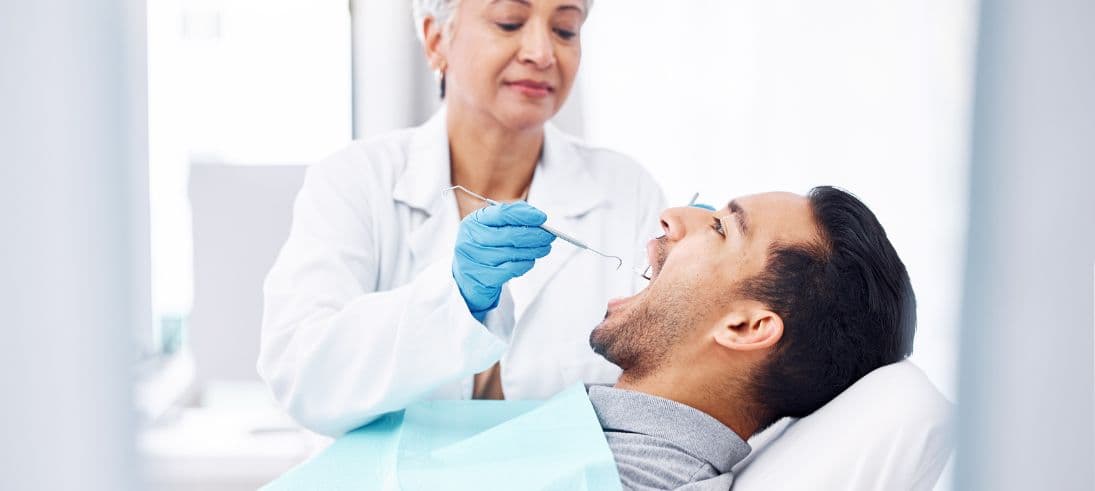
A typical hygiene teeth cleaning appointment usually lasts between 30 and 60 minutes, depending on your individual needs. During the visit, your hygienist will assess the current condition of your teeth and gums, remove any plaque and tartar build-up, polish your teeth, and provide tailored oral hygiene advice. Some appointments may also include fluoride application or airflow polishing, depending on what is most suitable for you.
Most patients find the experience comfortable and straightforward. Many describe a sense of freshness and smoothness afterwards, and regular appointments can support long-term oral health by preventing the build-up that contributes to gum concerns and other issues.
At our London practice, we focus on preventive care and patient education, ensuring you leave each appointment feeling confident about your oral health routine.
Frequently Asked Questions
Can you eat immediately after dental cleaning?
In most cases, yes. If no fluoride varnish was applied, you can eat immediately after dental cleaning. However, it is advisable to choose soft, lukewarm, non-acidic foods for the first hour or two to avoid discomfort, especially if your teeth or gums feel sensitive after the appointment.
How long should I wait before drinking coffee?
It is generally recommended to wait at least one to two hours before drinking coffee after a dental hygiene appointment. If fluoride was applied, wait at least 30 minutes as a minimum. Coffee can stain freshly polished teeth more easily, so using a straw and rinsing with water afterwards can help.
What foods should I avoid after teeth cleaning?
After teeth cleaning, it is best to avoid very hot or very cold foods and drinks, highly acidic items such as citrus fruits, crunchy or hard foods, sticky sweets, and strongly coloured foods or beverages like red wine, curry, and coffee. Sticking with soft, neutral-temperature foods is the most comfortable approach.
Is it normal to have sensitive teeth after cleaning?
Yes, it is quite normal to experience some degree of sensitivity after a professional clean. This is usually temporary and settles within 24 to 48 hours. Using a sensitive toothpaste and avoiding very hot or cold foods can help manage any discomfort. If sensitivity persists beyond a few days, seek professional dental advice.
Can I eat normally after scale and polish treatment?
You can typically return to your normal diet after a scale and polish, though it is sensible to be cautious for the first few hours. Choosing softer foods, avoiding extremes of temperature, and steering clear of highly acidic or staining items will help your teeth and gums settle comfortably. If fluoride was applied, wait at least 30 minutes before eating.
Looking After Your Smile After Your Appointment
Understanding what to eat after a dental hygiene visit — and how to care for your teeth in the hours and days that follow — is an important part of getting the most from your professional teeth cleaning. By making thoughtful food choices, following simple aftercare steps, and being mindful of any sensitivity, you can help maintain the benefits of your appointment for longer.
If you are due for a hygiene teeth cleaning or would like personalised dental hygiene aftercare advice, booking an appointment with a qualified dental hygienist is a positive step toward maintaining your oral health. Should you experience any persistent discomfort or have concerns following your visit, seeking appropriate dental care is always recommended.
Disclaimer
This article is for general educational purposes only and does not constitute dental advice. Individual symptoms, diagnoses, and treatment options should always be assessed by a qualified dental professional during a clinical examination.