South Kensington Tube.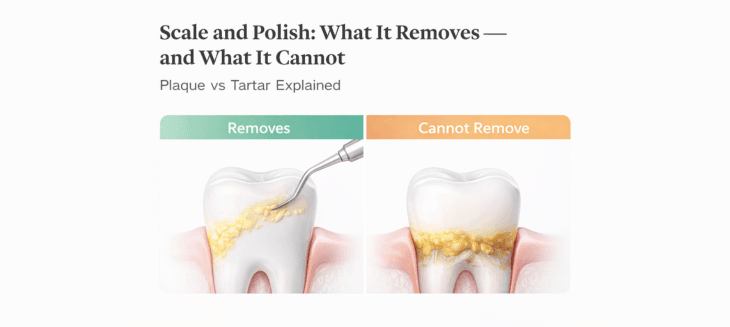
Scaling and polishing are professional cleaning methods used by dental hygienists to clean your teeth thoroughly. During scaling, the hygienist uses specialised instruments to carefully remove plaque and tartar from the tooth surface—a process that is typically painless.
Plaque is a soft, sticky film created by bacteria that accumulates on tooth surfaces throughout the day. When plaque is not removed regularly, it hardens into tartar (also called calculus), which can then contribute to enamel erosion and gum disease. The bacteria in your mouth feed on sugars from your food and produce acids as a by-product.
If plaque and tartar are not removed, they can lead to cavities (holes in the tooth), exposing the inner layers and nerves to bacteria and potentially causing infection. After the hygienist finishes removing plaque and tartar, they use a polishing tool to smooth and brighten the teeth, making it harder for new plaque to accumulate.
Why Are Scaling and Polishing Important?
Dental hygienists perform scaling and polishing to remove plaque—the soft, sticky combination of bacteria, food particles, and saliva—as well as hardened tartar (calculus) from your teeth. Your mouth produces a significant amount of saliva each day, which keeps teeth constantly bathed in minerals.
Saliva contains calcium and other minerals that help strengthen your teeth. However, consistently high calcium levels in saliva can cause mineral deposits to accumulate over time. This calcium build-up on teeth is similar to the chalky limescale that forms around the base of your kettle.
When plaque is left untreated, it eventually hardens and becomes discoloured, forming tartar. Tartar—a hard, calcified deposit—builds up on teeth and can change their appearance, ranging from yellow to brown or even black. If tartar accumulates along the gumline, bacteria can continue to grow beneath the gums, leading to gum disease.
The ultimate purpose of scaling and polishing is to create a smooth, clean surface on the teeth to prevent bacterial accumulation and give you the best opportunity to maintain healthy teeth and gums. A scaling and polishing procedure may be recommended if you:
- Have stains from coloured foods, tea, coffee, tobacco, or red wine
- Have tartar or calculus build-up, which can lead to gum disease, gum recession, loose teeth, or tooth loss
- Have signs of oral disease such as decay or cavities
How Is Scaling and Polishing Performed?
Scaling
The dental hygienist uses an ultrasonic scaler—a vibrating instrument—to safely remove tartar and plaque deposits from teeth. The ultrasonic scaler has a metal tip that vibrates at high frequency to break apart hardened tartar that clings to the tooth surface, between teeth, and along the gumline.
The scaler includes a water spray attachment to flush away dislodged tartar and plaque from gum pockets. After ultrasonic scaling, the hygienist may use hand-held instruments called curettes to carefully remove any remaining deposits.
Polishing
After scaling, polishing removes surface stains and smooths the teeth, giving them a clean shine. Polishing is performed using a soft, spinning rubber cup filled with prophylaxis paste—a specially formulated abrasive paste designed for professional dental cleaning.
The hygienist applies the prophylaxis paste with the rubber cup and gently polishes each tooth surface. Alternatively, polishing can be performed with an air polisher (such as a Prophyjet), which uses a pressurised stream of air, water, and fine powder (typically sodium bicarbonate) to remove plaque and stains effectively.
What Are the Advantages of Having a Scale and Polish?
Reduce the Likelihood of Cavities
The bacteria in plaque produce acids that lower the pH in your mouth, attacking enamel and leading to decay. Removing tartar and plaque reduces your risk of developing cavities and helps maintain healthy enamel.
Eliminate Bad Breath
A scale and polish helps improve bad breath (halitosis). The bacteria found in plaque contribute to unpleasant odours, so removing plaque buildup results in fresher breath.
Prevent Gingivitis
If left untreated, plaque accumulates along the gumline and irritates the gum tissue, causing gingivitis (gum inflammation). Regular scaling and polishing can reduce the risk of developing gingivitis and more serious gum disease.
Save Money Through Good Oral Hygiene
Maintaining proper oral health reduces the frequency of dental problems requiring treatment. Regular scaling and polishing appointments help maintain good oral health, potentially saving you money on fillings, dental implants, crowns, and tooth extractions.
What Should You Avoid After Being Scaled and Polished?
After your teeth have been scaled and polished, you are generally free to eat and drink as usual. However, your dental hygienist may suggest avoiding highly pigmented foods or drinks—such as coffee, tea, red wine, curry, tomato-based sauces, balsamic vinegar, and soy sauce—for approximately six hours after your appointment to prevent immediate staining.
If you received air polishing or a fluoride treatment, it is advisable to wait 30 minutes after your appointment before eating or drinking anything to allow maximum effectiveness.
How to Prevent Plaque Build-up
In addition to regular visits to your dental hygienist, you can prevent plaque accumulation by following these guidelines:
- Brush at least twice daily for two minutes each time
- Floss daily to remove debris and food particles from between teeth
- Use mouthwash as directed by your dental professional
- Include plenty of fresh fruits and vegetables in your diet
- Limit consumption of sugary foods and drinks
- Avoid tobacco products
- Use fluoride toothpaste
- Replace your toothbrush every three months
Will a Scale and Polish Be Painful?
Most patients do not experience pain during a scale and polish. However, if this is your first professional cleaning or you have significant tartar build-up, you may feel some minor discomfort from the scraping sensation or vibration near your gums.
This discomfort is usually minimal and is less likely if you do not have gum disease, receding gums, enamel erosion, or decay. Patients with sensitive teeth can request a topical numbing gel to make the procedure more comfortable.
Some patients experience temporary increased sensitivity after their teeth have been cleaned. This sensitivity typically subsides within a few days and is entirely normal. If you feel anxious about the procedure, please mention this when booking your appointment so your dental hygienist can discuss the process and help you feel more at ease.
How Long Does a Scale and Polish Take?
If you have regular cleanings and practise good oral hygiene, a scale and polish typically takes 20 to 30 minutes. If you have not had professional cleaning in two to four years, it may require multiple appointments to remove all the accumulated plaque and tartar.
Does Scaling and Polishing Remove Stains?
Yes, scaling and polishing can help remove surface stains from your teeth while also protecting your gums and teeth from decay and gum disease.
Can Scaling and Polishing Whiten My Teeth?
A scale and polish will not whiten your teeth in the same way as a professional whitening treatment. However, it can create a brighter appearance by removing plaque and surface stains. If you have deeper discolouration, consider professional whitening in addition to regular scaling and polishing appointments.
How Often Should I Get Scaling and Polishing?
The frequency of scaling and polishing depends on your individual oral health and lifestyle factors. Dental professionals typically recommend cleanings every three to six months, but your hygienist will help determine the ideal schedule for your needs.
Smokers and people who frequently consume sugary drinks, alcohol, or coffee typically develop plaque more quickly and may benefit from more frequent appointments. Other factors that may require more frequent cleanings include diabetes, a history of gum disease, or previous tooth decay.
Is a Scale and Polish Necessary If I Brush Properly?
Even with thorough brushing and flossing, there are areas in your mouth that are difficult to reach where plaque can accumulate. Once plaque hardens into tartar, it cannot be removed with brushing or flossing alone—professional cleaning is required.
However, maintaining excellent oral hygiene at home means less build-up for your hygienist to remove, resulting in quicker and more comfortable appointments.
Book Your Scale and Polish Today
Visit Dental Hygienist London if you're concerned about plaque build-up, persistent bad breath, or simply want a cleaner, brighter smile. Our expert dental hygienists provide professional scale and polish treatments in a comfortable, welcoming environment.
Disclaimer
This article is for general educational purposes only and does not constitute dental advice. Individual symptoms, diagnoses, and treatment options should always be assessed by a qualified dental professional during a clinical examination.