South Kensington Tube.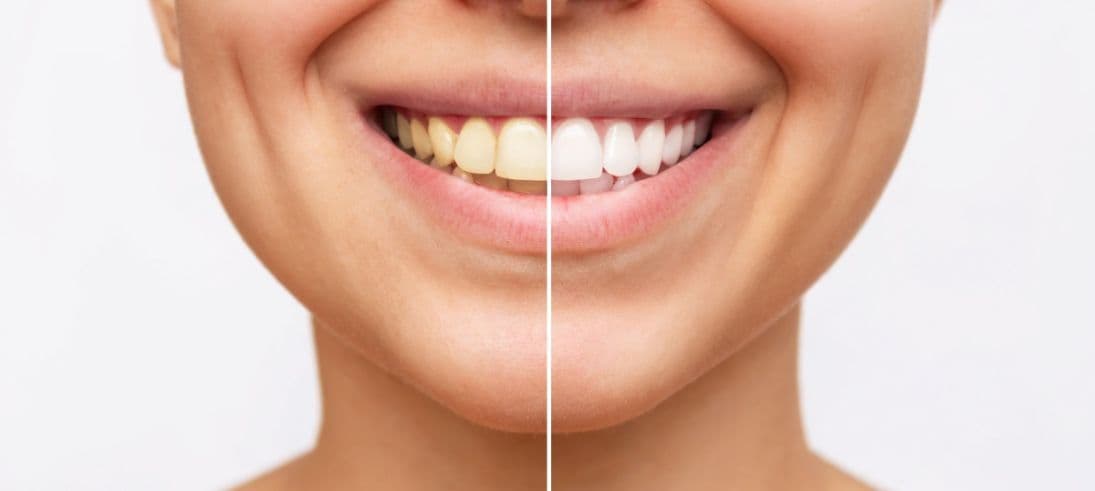
Many adults in London experience moments of self-consciousness about their smile, whether during important meetings, social gatherings, or romantic encounters. The connection between oral health and confidence extends far beyond simple aesthetics, influencing how we communicate, interact socially, and perceive ourselves in professional settings.
People frequently search online for information about improving their confidence through better oral health because they recognise the profound impact their smile has on daily interactions. From hiding their teeth during conversations to avoiding certain foods in public, poor oral health can create barriers to natural self-expression.
This article will explore the multifaceted relationship between oral health and confidence, examining both the psychological and physical aspects that contribute to improved self-esteem. Understanding these connections can help individuals recognise the broader benefits of maintaining excellent oral hygiene and seeking appropriate dental care when needed. We'll discuss how oral health influences social interactions, professional relationships, and overall quality of life, whilst providing practical guidance for maintaining optimal dental wellness.
How Does Good Oral Health Boost Confidence?
Good oral health improves confidence by eliminating concerns about bad breath, tooth discolouration, and dental pain that can cause social anxiety. When teeth and gums are healthy, individuals feel more comfortable smiling, speaking, and engaging in close personal interactions without self-consciousness about their oral condition.
The Psychology Behind Oral Health and Self-Esteem
The relationship between oral health and psychological wellbeing runs deeper than many people realise. When individuals experience dental problems such as tooth decay, gum disease, or missing teeth, they often develop coping mechanisms that can limit their social interactions. These may include covering their mouth when laughing, avoiding certain social situations, or speaking less frequently in group settings.
Research indicates that people with healthy smiles tend to be perceived as more trustworthy, successful, and approachable by others. This positive perception creates a beneficial cycle where improved oral health leads to more positive social interactions, which in turn reinforces confident behaviour patterns.
The psychological impact of dental problems can extend beyond immediate social concerns. Some individuals report feeling less motivated to pursue career opportunities or romantic relationships when they're self-conscious about their oral health. Addressing these underlying dental issues through appropriate professional care can help restore both oral function and psychological wellbeing.
Physical Comfort and Daily Confidence
Healthy teeth and gums contribute to physical comfort throughout the day, eliminating the distraction of dental pain, sensitivity, or discomfort that can affect concentration and mood. When the mouth feels comfortable, individuals can focus on their activities without the constant awareness of dental problems.
Good oral health enables natural eating patterns, allowing people to enjoy meals socially without worrying about food particles becoming trapped in damaged teeth or causing pain. This freedom to eat comfortably in professional or social settings removes a significant source of anxiety for many individuals.
Fresh breath, maintained through effective oral hygiene and healthy gums, eliminates concerns about close personal interactions. The confidence that comes from knowing one's breath is fresh can transform how individuals approach conversations, presentations, and intimate relationships.
Professional and Social Advantages
In professional environments, a healthy smile can contribute to positive first impressions and ongoing workplace relationships. Clear speech, unimpeded by dental problems, supports effective communication during meetings, presentations, and networking opportunities.
The ability to smile naturally without self-consciousness can enhance social interactions across various settings. Whether meeting new people, attending social events, or maintaining existing relationships, good oral health removes barriers to authentic self-expression and genuine connection with others.
Many individuals report feeling more photogenic and comfortable with visual documentation when their oral health is optimal. This comfort with photographs and video calls has become increasingly relevant in both personal and professional contexts.
The Science Behind Oral Health and Overall Wellbeing
The mouth serves as a gateway to overall health, with the condition of teeth and gums potentially influencing systemic wellbeing. Healthy oral tissues support proper nutrition through effective chewing and food processing, whilst reducing the bacterial load that can affect other body systems.
Gum disease, when left untreated, can contribute to chronic inflammation that may impact overall health and energy levels. Maintaining healthy gums through proper oral hygiene and professional dental cleaning helps support both oral and systemic wellness.
The oral microbiome plays a crucial role in maintaining the balance between beneficial and harmful bacteria in the mouth. When this balance is maintained through good oral hygiene practices, it supports fresher breath, healthier gums, and stronger teeth, all contributing to improved confidence in social situations.
When Professional Dental Assessment May Be Beneficial
Persistent bad breath despite good oral hygiene practices may indicate underlying dental or gum conditions that could benefit from professional evaluation. Similarly, tooth sensitivity, gum bleeding, or visible changes in tooth colour or texture might warrant dental assessment.
Individuals experiencing anxiety about their smile or avoiding social situations due to dental concerns may find that professional dental consultation helps address both functional and aesthetic considerations. Modern dental approaches can often provide solutions that support both oral health and confidence.
Social or professional situations that consistently cause anxiety related to oral health concerns suggest that dental evaluation might be worthwhile. Early intervention for developing dental problems is often more straightforward than addressing advanced conditions.
Building Confidence Through Preventive Oral Care
Establishing consistent daily oral hygiene routines creates the foundation for long-term oral health and sustained confidence. Regular brushing with fluoride toothpaste, daily flossing, and appropriate mouthwash use help maintain the oral environment that supports both health and self-assurance.
Dietary choices significantly influence oral health outcomes and, consequently, confidence levels. Limiting sugary and acidic foods whilst incorporating tooth-friendly options such as dairy products, leafy greens, and crunchy fruits and vegetables supports natural oral cleaning and strengthening processes.
Regular professional dental examinations enable early identification and management of developing issues before they impact daily comfort or confidence. Professional cleaning removes deposits that daily home care cannot address, helping maintain optimal oral health.
Staying hydrated throughout the day supports natural saliva production, which helps neutralise acids, wash away food particles, and maintain fresher breath. This simple habit contributes significantly to day-long oral comfort and confidence.
Long-term Confidence Through Oral Health Investment
Viewing oral health as an investment in long-term confidence and quality of life can motivate consistent care practices. The cumulative benefits of good oral health compound over time, supporting sustained confidence and wellbeing throughout various life stages.
Understanding that oral health requirements may change with age, lifestyle factors, or health conditions helps individuals adapt their care routines appropriately. Maintaining open communication with dental professionals about concerns or changes supports optimal long-term outcomes.
The confidence gained through good oral health often extends beyond immediate dental benefits, contributing to overall self-care motivation and positive lifestyle choices that support comprehensive wellbeing.
Key Points to Remember
- Good oral health eliminates daily concerns about bad breath, dental pain, and appearance-related anxiety
- Physical comfort from healthy teeth and gums enables natural social interaction and professional communication
- Preventive care through daily hygiene and professional support maintains long-term oral health and confidence
- Early professional assessment of oral health concerns often provides more straightforward solutions
- The psychological benefits of good oral health extend to improved social relationships and professional opportunities
- Investment in oral health represents an investment in long-term confidence and quality of life
Frequently Asked Questions
How quickly can improving oral health boost confidence?
Some confidence improvements may be noticed within days of establishing better oral hygiene routines, particularly regarding breath freshness and oral comfort. However, more significant changes to gum health and tooth appearance typically develop over weeks to months with consistent care. Professional dental treatment can sometimes provide more immediate improvements for specific concerns.
Can poor oral health really affect job prospects?
Research suggests that oral health can influence professional interactions and first impressions. Good oral health supports clear communication, comfortable close interactions, and natural smiling, which can contribute positively to professional relationships. However, individual circumstances vary, and professional success depends on multiple factors beyond oral health alone.
What's the connection between gum health and confidence?
Healthy gums support fresher breath, comfortable eating, and attractive smile aesthetics. Gum problems can cause bleeding, swelling, and bad breath, which may create self-consciousness in social situations. Maintaining gum health through proper oral hygiene and professional periodontal care when needed supports both oral function and social confidence.
How does oral health affect romantic relationships?
Good oral health can enhance intimate relationships by eliminating concerns about bad breath during close contact and supporting natural, comfortable kissing and conversation. Fresh breath and healthy oral tissues contribute to physical comfort and emotional intimacy, whilst dental problems may create barriers to natural romantic expression.
Is it normal to feel anxious about dental problems affecting confidence?
Feeling concerned about how oral health affects social interactions and self-image is common and understandable. Many people experience some degree of self-consciousness about their teeth or breath at various times. These feelings often motivate positive changes in oral care routines or seeking professional dental guidance when needed.
Can maintaining good oral health prevent confidence problems?
Consistent oral hygiene practices and regular professional dental care can help prevent many common oral health issues that might otherwise impact confidence. However, some dental conditions may develop despite good care due to genetic factors, accidents, or medical conditions. Professional assessment can help identify the most appropriate approach for individual circumstances.
Conclusion
The relationship between good oral health and confidence encompasses physical comfort, social ease, and psychological wellbeing. When teeth and gums are healthy, individuals can engage naturally in conversations, meals, and close personal interactions without the self-consciousness that dental problems often create. This freedom from oral health concerns enables authentic self-expression and genuine connection with others in both personal and professional settings.
Understanding the multifaceted benefits of oral health extends beyond preventing dental problems to actively supporting quality of life and social confidence. The investment in daily oral hygiene, thoughtful dietary choices, and appropriate professional dental care creates the foundation for sustained confidence and wellbeing throughout life.
Dental symptoms and treatment options should always be assessed individually during a clinical examination.
Disclaimer
This article is for general educational purposes only and does not constitute dental advice. Individual symptoms, diagnoses, and treatment options should always be assessed by a qualified dental professional during a clinical examination.