South Kensington Tube.
Introduction
If you have ever winced whilst brushing your teeth or felt a sharp twinge during a dental hygiene appointment, you are certainly not alone. Tooth sensitivity is one of the most commonly reported oral health concerns amongst adults in the UK, and it is a topic many people search for online — often because the discomfort comes as a surprise, particularly during what should be a routine dental cleaning.
Tooth sensitivity can affect not only your daily oral hygiene routine at home but also the experience you have during a professional dental cleaning appointment. Understanding why this happens, what causes sensitive teeth, and how your dental hygienist can support you is an important step in taking control of your oral health. You may also find our guide on why gum recession can affect professional cleaning comfort helpful.
This article explains the science behind tooth sensitivity, how it may influence your professional cleaning experience, what you can do to manage it, and when seeking professional dental advice may be the right course of action. The information here is intended to be educational and reassuring, and is not a substitute for an individual clinical assessment.
What Causes Tooth Sensitivity?
Tooth sensitivity — clinically referred to as dentine hypersensitivity — develops when the dentine layer beneath the tooth enamel becomes exposed. Dentine contains microscopic tubules that connect to the nerve centre of the tooth. When external stimuli such as cold air, water, or pressure reach these tubules, signals are transmitted to the nerve, producing that familiar sharp or aching sensation.
Several factors may contribute to this exposure:
- Enamel erosion caused by acidic foods, drinks, or acid reflux
- Gum recession which exposes the root surfaces of teeth
- Tooth grinding (bruxism) which gradually wears down enamel
- Gum disease (periodontal disease) which can lead to bone and tissue loss
- Overly aggressive brushing using too much pressure or a hard-bristled toothbrush
- Cracked or chipped teeth that expose inner tooth layers
- Recent dental treatment such as whitening procedures or fillings, which may cause temporary sensitivity
It is worth noting that sensitivity varies significantly between individuals. Some people experience mild, occasional discomfort, whilst others find sensitivity affects their daily routine and dental visits considerably. This is why professional assessment remains essential — symptoms can have multiple underlying causes, each requiring a different approach.
The Science Behind Sensitive Teeth: Understanding Tooth Anatomy
To fully appreciate why sensitivity affects your cleaning experience, it helps to understand the basic structure of a tooth.
Each tooth is composed of several distinct layers:
- Enamel — the outermost, hardest layer that protects the crown of the tooth
- Dentine — a softer layer beneath the enamel, containing thousands of microscopic tubules
- Pulp — the innermost tissue containing blood vessels and nerves
- Cementum — the layer covering the tooth root beneath the gum line
When enamel remains intact and gum tissue is healthy, the sensitive dentine layer is well protected. However, once enamel thins or gum tissue recedes — even slightly — dentine becomes accessible to temperature changes, pressure, and the instruments used during professional dental cleaning.
The hydrodynamic theory, widely accepted in dental science, explains that stimuli cause fluid movement within the dentinal tubules, which in turn activates nerve endings and produces the sensation of sensitivity. This is why cold water used during scaling or cleaning can trigger a noticeable response in some patients.
Understanding this mechanism is important because it highlights that sensitivity is a physiological response — not simply a low pain threshold. It also explains why certain clinical approaches, desensitising treatments, and tailored hygiene techniques can make a meaningful difference to patient comfort.
How Tooth Sensitivity Affects Your Professional Dental Cleaning
Professional dental cleaning, often performed by a dental hygienist, involves removing plaque, tartar, and bacterial deposits from the tooth surfaces and along the gum line. Instruments used during this process — whether hand scalers, ultrasonic devices, or polishing tools — make direct contact with tooth surfaces and gum margins.
For patients with tooth sensitivity, this can present several challenges:
Water and air temperature: Many cleaning instruments use a fine water spray. Cold water or air directed near exposed dentine can trigger sensitivity responses during the appointment.
Instrument contact near the gum line: Scaling along the gum margin and into periodontal pockets is necessary to remove harmful deposits. For patients with gum recession or exposed root surfaces, this area may be noticeably more sensitive.
Polishing: Dental polishing uses an abrasive paste to remove surface staining. Depending on the product used and the condition of the enamel, some patients may experience discomfort during this step.
Pressure sensitivity: Even light pressure from cleaning instruments may cause discomfort if dentine is exposed.
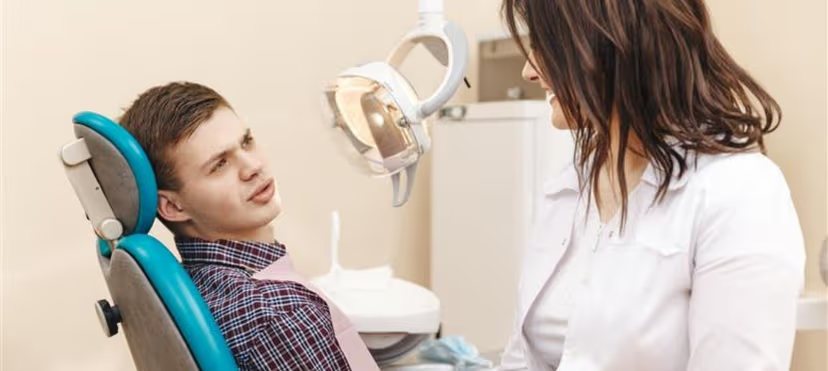
It is important to communicate openly with your dental hygienist about any sensitivity before and during your appointment. A skilled and experienced hygienist can adapt their technique, use desensitising agents, adjust water temperature, or work in shorter sessions to help manage your comfort effectively.
You can learn more about what a professional hygiene appointment involves by exploring professional teeth cleaning at our London clinic.
Managing Sensitivity During and Between Appointments
There are several approaches that may help manage tooth sensitivity, both in the dental chair and at home. It is important to recognise that the right approach will depend on the underlying cause of your sensitivity, which should be assessed professionally.
At-Home Strategies
Use a sensitivity toothpaste: Toothpastes containing potassium nitrate or stannous fluoride are widely available and may help reduce dentinal tubule activity over time. Results typically develop with consistent use over several weeks.
If you are deciding between cleaning methods, this evidence-based comparison of airflow polishing vs traditional scaling for sensitive teeth may be useful.
Switch to a soft-bristled toothbrush: Medium or hard bristles, combined with aggressive brushing technique, can contribute to enamel wear and gum recession. A soft-bristled brush used with gentle, circular movements is generally recommended.
Review your diet: Reducing consumption of acidic foods and drinks — including fizzy drinks, citrus fruits, and vinegars — may help slow enamel erosion. Waiting at least 30 minutes after consuming acidic foods before brushing is also advisable.
Use a fluoride mouthwash: Fluoride helps strengthen enamel and may offer some protective benefit for sensitive teeth when used as part of a daily oral hygiene routine.
Wear a night guard if you grind your teeth: If bruxism is a contributing factor, a custom-fitted night guard from your dental team can help protect enamel during sleep.
During Professional Cleaning
Informing your dental hygienist in advance allows them to plan the appointment around your needs. They may apply a topical desensitising varnish before commencing treatment, use lower-intensity ultrasonic settings, or work in shorter sections to keep you comfortable throughout. Our article on how to stay comfortable during ultrasonic teeth cleaning explores this in more detail.
Prevention and Ongoing Oral Health Advice
Preventing or reducing tooth sensitivity begins with understanding the factors that contribute to it. Consistent and gentle oral hygiene habits, combined with regular professional dental care, are the most reliable foundations for maintaining healthy, less sensitive teeth.
Key preventative habits include:
- Brushing twice daily with a fluoride toothpaste, using gentle pressure and a soft brush
- Flossing or using interdental brushes once daily to remove plaque from between teeth where brushes cannot reach
- Attending regular dental hygiene appointments to remove tartar build-up before it contributes to gum recession or periodontal disease
- Staying hydrated — a dry mouth can increase the risk of acid damage and plaque accumulation
- Discussing any grinding habits with your dentist or hygienist so appropriate protective measures can be considered
- Avoiding over-use of home whitening products, which may temporarily increase sensitivity
Maintaining a regular schedule through routine and continuing dental care is one of the most effective ways to monitor gum health, manage sensitivity triggers, and receive tailored preventative advice over time.
When to Seek Professional Dental Assessment
Whilst mild, occasional sensitivity is common and often manageable at home, certain symptoms may indicate an underlying dental concern that warrants a professional evaluation. This is not intended to cause alarm — it is simply useful guidance to help you make an informed decision about when to seek advice.
You may wish to book a dental assessment if:
- Sensitivity is persistent, worsening, or present without an obvious trigger
- You experience pain that lingers for more than a few seconds after a stimulus
- Sensitivity is localised to one specific tooth rather than a general experience
- You notice gum recession, bleeding gums, or changes in your gum line
- Sensitivity has increased noticeably after a recent dental procedure and is not settling
- You experience discomfort when biting or chewing
- You have avoided dental cleaning appointments due to sensitivity concerns
A dental hygienist or dentist can carry out a thorough assessment to identify the likely cause of your sensitivity and recommend appropriate management. Early intervention is generally more straightforward and effective than waiting for symptoms to progress.
Understanding the Role of Your Dental Hygienist
Your dental hygienist plays a central role in managing sensitivity as part of your overall oral health. Watch the video below to learn more about what a hygienist does and how their work supports your long-term dental wellbeing:
Gum Health and Its Connection to Tooth Sensitivity
One area that is often underestimated in discussions about sensitivity is the role of gum health. Healthy gum tissue provides a protective seal around the base of each tooth, covering the root surface and keeping the sensitive dentine layer below the gum line.
When gum disease — whether in its early (gingivitis) or more advanced (periodontitis) form — causes the gum tissue to recede, root surfaces become exposed. Unlike the enamel-coated crown of a tooth, root surfaces are covered only by cementum, which is considerably softer and offers less protection against sensitivity.
This is why patients with gum disease or a history of periodontal treatment often report heightened sensitivity, particularly during professional cleaning appointments. Deposits of tartar and bacteria situated below the gum line must be removed to prevent further gum deterioration — yet this area is often the most sensitive.
Working with a dental hygienist who understands and can manage this sensitivity is particularly valuable for patients navigating long-term gum health treatment. You can explore information about gum disease assessment and periodontal care to better understand the options available.
Key Points to Remember
- Tooth sensitivity occurs when the dentine layer of the tooth becomes exposed, either through enamel erosion or gum recession.
- Professional dental cleaning may temporarily increase sensitivity awareness, particularly for patients with pre-existing gum recession or enamel wear.
- Open communication with your dental hygienist before and during your appointment allows them to tailor their technique to keep you comfortable.
- At-home habits — including using a sensitivity toothpaste, a soft-bristled brush, and reducing acidic food and drink — can help manage sensitivity between appointments.
- Persistent or worsening sensitivity may indicate an underlying dental concern and warrants a professional assessment.
- Regular dental hygiene visits support early identification of sensitivity triggers and help maintain the gum health that protects against sensitivity over time.
Frequently Asked Questions
Is it normal to feel more sensitive after a professional dental cleaning?
It is relatively common to experience some temporary sensitivity following a professional dental cleaning, particularly if tartar and plaque deposits have been removed from areas close to the gum line. Once these deposits are cleared, tooth surfaces that were previously covered may temporarily feel more exposed. This usually settles within a day or two. If sensitivity persists beyond this or is significant, it is worth mentioning to your dental hygienist or dentist so the cause can be assessed appropriately.
Can sensitive teeth make a hygiene appointment more uncomfortable?
Yes, tooth sensitivity can influence the experience of a dental hygiene appointment, particularly during scaling, polishing, and the use of water sprays near exposed surfaces. However, a dental hygienist experienced in managing sensitivity can adjust their technique to minimise discomfort. This may include using desensitising varnishes, adjusting instrument settings, or working in shorter sections. Informing your hygienist about your sensitivity before the appointment begins is always helpful.
What toothpaste is recommended for sensitive teeth?
Toothpastes formulated for sensitive teeth typically contain either potassium nitrate, which helps calm nerve activity within the tooth, or stannous fluoride, which can help block the microscopic tubules in dentine. Both have clinical evidence supporting their effectiveness with regular use. It is advisable to allow several weeks of consistent use before assessing results. Your dental hygienist can advise on specific products suited to your situation during an appointment.
Does gum recession always cause tooth sensitivity?
Not always, but gum recession is a significant contributing factor to tooth sensitivity in many patients. When the gum line drops, it exposes the root surface of the tooth, which lacks the protective enamel coating found on the crown. This exposure makes the underlying dentine more accessible to temperature, pressure, and other stimuli. The degree of sensitivity experienced can vary between individuals. A professional assessment can help determine whether recession is contributing to your symptoms and what options may be appropriate.
Can tooth sensitivity be a sign of something more serious?
In most cases, sensitivity is related to enamel wear, gum recession, or lifestyle factors — none of which are immediately serious, but all of which benefit from professional attention. However, sensitivity that is localised to one tooth, persistent, or accompanied by prolonged pain may occasionally indicate other concerns such as a cracked tooth, a failing filling, or early pulp involvement. This is why it is important not to dismiss ongoing sensitivity and to seek a professional assessment if it does not resolve or if it changes in character.
How can I reduce sensitivity before my next dental hygiene appointment?
Using a sensitivity toothpaste consistently for several weeks before your appointment may help reduce the degree of discomfort experienced. You can also try gently massaging a small amount of sensitivity toothpaste directly onto the sensitive areas and leaving it in place after brushing rather than rinsing. Informing your hygienist of your concerns when booking will allow them to prepare appropriately. Avoiding very cold or acidic foods and drinks in the day or two before your appointment may also be helpful.
Conclusion
Tooth sensitivity is a common oral health concern that can meaningfully affect both your daily hygiene routine and your experience during a professional dental cleaning. Understanding the underlying reasons — from enamel erosion and gum recession to the fine anatomy of your teeth — can help take away some of the uncertainty that often surrounds this issue.
With open communication, tailored clinical techniques, and supportive at-home habits, it is entirely possible to maintain excellent oral health even when sensitivity is a factor. The goal is not to avoid dental cleaning — which remains one of the most valuable preventative tools available — but to ensure your experience is as comfortable and effective as possible.
If tooth sensitivity is something you have been managing on your own, or if it has been affecting your confidence in attending dental appointments, speaking with a dental hygienist is a straightforward and positive next step.
Dental symptoms and treatment options should always be assessed individually during a clinical examination.
Disclaimer
This article is for general educational purposes only and does not constitute dental advice. Individual symptoms, diagnoses, and treatment options should always be assessed by a qualified dental professional during a clinical examination.