

 South Kensington Tube.
Introduction
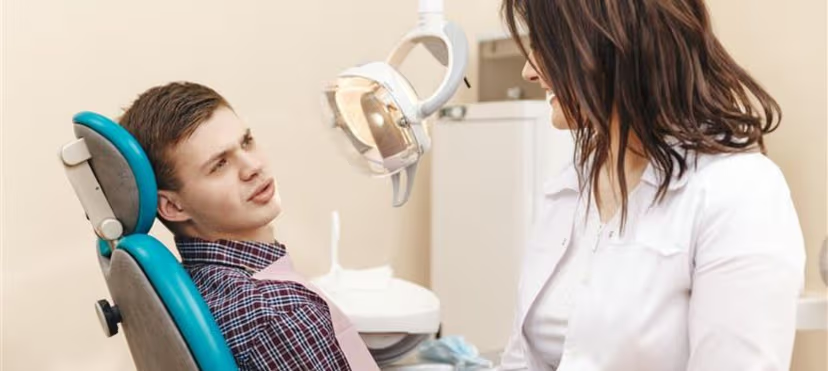
It is entirely normal to feel a little apprehensive before a dental hygiene appointment, particularly when you are unfamiliar with the instruments used during professional cleaning. Many patients search online for reassurance after noticing unusual sounds, sensations, or pressure during their visits — and understanding what these tools actually do can go a long way towards easing those concerns.
Dental anxiety around cleaning instruments is one of the most commonly reported reasons patients delay or avoid routine hygiene visits. Yet professional dental cleaning remains one of the most effective ways to support long-term oral health, prevent gum disease, and maintain healthy teeth.
This article aims to explain why patients may feel uneasy about dental cleaning instruments, what each tool is designed to do, and how understanding the process can help you feel more confident in the dental chair. If you have persistent concerns or experience significant discomfort during a hygiene visit, it is always worth discussing this with your dental professional before treatment begins.
Featured Snippet: Why Do Dental Cleaning Instruments Feel Uncomfortable?
Dental cleaning instruments can cause unease due to unfamiliar sounds, vibrations, and pressure sensations around the teeth and gums. Patients with sensitive teeth, gum inflammation, or dental anxiety may notice heightened discomfort. Understanding what each instrument does can significantly reduce apprehension and support a more comfortable hygiene visit.
Understanding Dental Anxiety Around Hygiene Appointments
Dental anxiety is incredibly common across the United Kingdom. Studies consistently suggest that a significant proportion of adults experience some degree of nervousness before a dental appointment, with hygiene visits being no exception. Much of this anxiety stems from uncertainty — not knowing what a particular instrument does, why it makes a specific noise, or what sensation to expect next.
The sounds associated with dental cleaning instruments, such as the high-pitched whirring of an ultrasonic scaler or the scraping sensation of a hand instrument against tooth enamel, can trigger a stress response even in patients who do not otherwise describe themselves as anxious. For those who have had a previous uncomfortable experience in the dental chair, these sensory cues can feel even more pronounced.
It is important to note that unease about dental cleaning instruments does not mean something is wrong with your treatment or your oral health. In many cases, a brief conversation with your dental hygienist before the appointment begins — explaining your concerns and asking questions — can make a considerable difference to how you feel throughout the visit.
If you find dental visits particularly stressful, you may find it helpful to explore how a dental hygienist consultation can be tailored to your comfort and individual needs.
What Are Dental Cleaning Instruments and What Do They Do?
Professional dental cleaning — often referred to as a scale and polish or professional mechanical plaque removal — involves a small number of carefully designed instruments, each serving a specific clinical purpose.
Ultrasonic Scalers These are powered instruments that use high-frequency vibrations to dislodge hardened plaque deposits (calculus or tartar) from the surfaces of teeth and just below the gumline. They are accompanied by a fine mist of water to cool the tip and rinse the area. Many patients find the vibration or sound unfamiliar, but the instrument itself is not designed to cause pain — though sensitivity may be felt depending on an individual's gum health or tooth sensitivity.
Hand Scalers and Curettes These are fine metal instruments used to carefully remove remaining deposits and smooth root surfaces where necessary. Some patients describe a scratching or scraping sensation during this stage.
Polishing Cups and Paste After scaling, a rubber cup with a mild abrasive paste is often used to remove surface staining and leave teeth feeling smooth and clean.
Understanding the purpose of each instrument can transform an unfamiliar experience into a manageable one.
The Clinical Science Behind Why Some Patients Experience Discomfort
The level of sensitivity a patient experiences during professional cleaning is often directly related to the state of their gum tissue and the degree of calculus build-up present.
When gum disease is present — even in its early stage, known as gingivitis — the gum tissue becomes inflamed and more responsive to touch. Blood supply increases to the area as part of the body's natural immune response, making the tissue feel tender. In this state, even gentle instrument contact can feel more pronounced than it would around healthy, firm gum tissue.
Similarly, when calculus (hardened plaque) has accumulated beneath the gumline over time, its removal requires more precise instrument access, sometimes in areas that are naturally sensitive. Patients who attend regular hygiene appointments typically experience less discomfort over time, because calculus is removed before it has a chance to accumulate significantly.
Tooth sensitivity — a separate but related issue — can also amplify sensations during cleaning. Exposed dentine, which lies beneath the outer enamel layer, contains microscopic channels that connect to the nerve of the tooth. When these channels are exposed due to gum recession or enamel wear, temperature and pressure changes from instruments or the water spray of an ultrasonic scaler may trigger a brief sharp sensation.
This explains why patients with a history of gum recession or sensitivity may find hygiene visits more noticeable than those without. It is not an indication that harm is occurring — rather, it reflects the current state of the tissues being treated. Learning more about gum health and professional cleaning may help you understand how regular care can gradually reduce this sensitivity over time.
Common Reasons Patients Feel Uneasy: Sounds, Sensations, and Expectations
Several specific factors contribute to patient unease during hygiene appointments, and it is worth addressing each one individually.
The Sound of the Ultrasonic Scaler The high-pitched noise produced by ultrasonic instruments is often the most commonly cited source of anxiety. For patients who are unaware that this sound is entirely normal and expected, it can feel alarming. In practice, the sound is simply a result of the instrument vibrating at a frequency designed to break down deposits efficiently.
The Physical Sensation of Scraping Even for patients with no particular dental anxiety, the sensation of an instrument moving across tooth surfaces or beneath the gumline can feel unusual, especially if they are unaccustomed to regular professional cleaning.
A Fear of Bleeding Patients sometimes notice a small amount of bleeding during or after cleaning, particularly if their gums are inflamed. This is a normal clinical sign of inflammation and typically reduces with consistent oral hygiene care between visits — not an indication that the cleaning has caused damage.
Uncertainty About What Will Happen Next Much of dental anxiety is anticipatory. Patients who do not know what is coming next may tense up, which can itself amplify the sensations they experience.
A good dental hygienist will always explain what they are doing and why, and encourage patients to signal if they need a brief pause.
When Professional Dental Assessment May Be Appropriate
While a degree of sensitivity during professional cleaning is common and expected, there are situations where it may be worth raising your concerns with your dental professional before or after a hygiene visit.
Consider seeking a clinical assessment if you experience:
- Persistent or significant discomfort during a hygiene appointment that feels beyond the usual sensitivity sensations
- Prolonged sensitivity to cold or pressure following a hygiene visit that does not settle within a few days
- Swollen, red, or tender gums that bleed frequently, even between appointments or during brushing
- Visible changes to the gum tissue, such as recession or changes in gum colour
- Anxiety that is significantly preventing you from attending appointments — in this case, it may be worth discussing anxiety management options with your dental team
None of these experiences should be a cause for alarm in isolation, but a professional clinical assessment will help determine whether any additional care or support may be beneficial for your individual circumstances.
If you are concerned about sensitivity or gum health, speaking with a qualified hygienist at Dental Hygienist London can help clarify what is appropriate for your situation.
How to Prepare for a Hygiene Appointment and Reduce Unease
There are several practical steps patients can take to feel more comfortable ahead of a dental cleaning appointment.
Communicate with Your Hygienist Before treatment begins, let your hygienist know if you have experienced discomfort during previous visits, if you have sensitive teeth, or if you feel particularly anxious. A good clinician will adapt their approach accordingly and check in with you throughout.
Use a Agreed Signal Many patients find it reassuring to agree on a simple signal — such as raising a hand — to indicate they need the hygienist to pause. Knowing this option is available can significantly reduce anticipatory anxiety.
Breathe Steadily Slow, steady breathing can help regulate the body's stress response during a procedure. Some patients find focusing on their breath helps reduce the perceived intensity of sensations.
Attend Regularly One of the most effective ways to reduce discomfort during cleaning visits over time is to attend regularly. When plaque and calculus are removed frequently, less accumulates between visits, meaning each appointment tends to require less instrumentation and produces fewer sensitivity sensations.
Ask Questions There is no such thing as a question that is too basic when it comes to understanding your dental care. If you are unsure what an instrument does or why it is being used, ask. Knowledge genuinely does reduce anxiety in many clinical settings.
Prevention and Oral Hygiene Advice to Support Comfortable Hygiene Visits
Consistent home oral hygiene routines between appointments play a significant role in how comfortable professional cleaning sessions feel. When gum inflammation is well controlled and plaque levels are low, the tissues tend to respond more gently to instrument contact.
Brushing Technique Brush twice daily using a fluoride toothpaste and a soft or medium-bristled toothbrush. Use small, circular or gentle back-and-forth movements rather than vigorous scrubbing, which can contribute to enamel wear and gum recession over time.
Interdental Cleaning Cleaning between teeth daily — using interdental brushes, floss, or a water flosser — removes plaque from areas a toothbrush cannot reach. This is one of the most effective steps a patient can take to reduce gum inflammation, which in turn reduces sensitivity during professional cleaning.
Sensitivity Toothpaste For patients with known tooth sensitivity, using a toothpaste formulated for sensitive teeth can gradually help reduce the responsiveness of exposed dentine. Speak with your hygienist about which products may be most appropriate for your circumstances.
Hydration and Diet Staying well hydrated supports healthy saliva flow, which plays an important role in neutralising acids and protecting tooth enamel. A balanced diet that limits frequent acidic or sugary foods and drinks helps reduce enamel erosion over time.
Regular Professional Appointments The single most effective preventative measure is attending your hygiene appointments as recommended by your dental team. Frequency will depend on your individual clinical needs, but most patients benefit from a visit every three to six months.
Key Points to Remember
- Feeling uneasy about dental cleaning instruments is very common and entirely understandable.
- Much of the unease associated with hygiene visits stems from unfamiliar sounds, vibrations, and sensations that are a normal part of professional cleaning.
- Discomfort during cleaning is often related to the presence of gum inflammation or calculus build-up, both of which can reduce with regular professional care and consistent home hygiene routines.
- Communicating openly with your dental hygienist before and during an appointment can significantly improve your experience.
- Sensitivity during a hygiene visit does not necessarily indicate that harm is occurring — but persistent or significant discomfort should always be discussed with a dental professional.
- Attending hygiene appointments regularly is one of the most effective ways to reduce sensitivity over time and maintain good oral health.
Frequently Asked Questions
Is it normal to feel pain during a dental cleaning appointment?
Some degree of sensitivity or discomfort during professional cleaning is relatively common, particularly for patients with inflamed gums, calculus build-up, or naturally sensitive teeth. However, the procedure itself is not designed to be painful. If you experience significant or persistent discomfort during your appointment, let your hygienist know so they can adjust their approach. Attending appointments regularly typically reduces sensitivity over time as inflammation and calculus levels decrease. Individual experiences will vary, and your hygienist can discuss options to support your comfort.
Why does the ultrasonic scaler make such a loud noise?
The sound produced by an ultrasonic scaler is a result of the instrument vibrating at a very high frequency — this vibration is what allows it to efficiently break down hardened deposits on tooth surfaces. The noise is completely normal and expected. For many patients, simply understanding that the sound is a functional part of the instrument rather than a sign that something is wrong can significantly reduce the anxiety it triggers. If the sound is particularly distressing, some patients find it helpful to use headphones with music during their appointment.
Will my gums bleed during cleaning?
Bleeding during professional cleaning is common in patients who have some degree of gum inflammation, known as gingivitis. When gum tissue is inflamed, it becomes more vascular and responds more readily to contact. This type of bleeding is not caused by the instruments damaging tissue — rather, it is a clinical sign of pre-existing inflammation. With consistent oral hygiene at home and regular professional cleaning, gum health typically improves and bleeding tends to reduce. If you experience spontaneous or frequent bleeding from your gums outside of appointments, it is worth mentioning this to your dental professional.
How can I make my dental cleaning appointment less uncomfortable?
Communicating openly with your hygienist before treatment begins is one of the most effective steps. Let them know if you have sensitivity or anxiety, agree on a signal to pause if needed, and ask questions about what each instrument does. Maintaining a thorough home oral hygiene routine between visits — including daily interdental cleaning — also helps to reduce gum inflammation, which in turn makes professional cleaning more comfortable. If you have significant dental anxiety that is preventing you from attending appointments, speak with your dental team about what support options may be available.
Can I ask my hygienist to stop during a cleaning procedure?
Absolutely. You are always in control of your dental appointment and have the right to ask your clinician to pause at any point. Most dental hygienists actively encourage patients to agree on a signal — such as raising a hand — before treatment begins, so that you can communicate the need for a brief break without having to speak while instruments are in your mouth. A good hygienist will check in with you periodically throughout the appointment and respond promptly to any indication of discomfort or unease.
How often should I have my teeth professionally cleaned?
The frequency of professional cleaning appointments depends on your individual oral health needs and clinical assessment. Many patients attend every six months, while those with a history of gum disease or higher plaque accumulation may be advised to attend more frequently — every three to four months. Your dental hygienist will recommend an appropriate recall interval based on the condition of your gums, your plaque levels, and your overall oral health. There is no universal answer, and the right interval for you may change over time as your oral health improves or changes.
Conclusion
Feeling uneasy about dental cleaning instruments is one of the most common concerns patients raise before and during hygiene appointments. Understanding what each instrument is designed to do — and why certain sounds and sensations occur — can genuinely help to reduce that anxiety and make visits to your dental hygienist a more comfortable experience.
The key message is that professional dental cleaning is a carefully managed, evidence-based process aimed at supporting your long-term oral health. Discomfort, where it occurs, is generally related to the state of the gum tissue rather than the instruments themselves, and tends to reduce as oral health improves with consistent care.
If you experience persistent sensitivity, notice changes in your gum tissue, or find that anxiety is significantly affecting your ability to attend appointments, speaking with a qualified dental professional is always the most appropriate next step.
Dental symptoms and treatment options should always be assessed individually during a clinical examination.
Disclaimer
This article is for general educational purposes only and does not constitute dental advice. Individual symptoms, diagnoses, and treatment options should always be assessed by a qualified dental professional during a clinical examination.