South Kensington Tube.
Introduction
Many patients are noticing significant changes in how dental practices approach oral healthcare, with an increasing emphasis on preventing problems before they develop. This shift represents a fundamental transformation in dental care delivery, moving away from traditional reactive treatments towards comprehensive preventive strategies that protect long-term oral health. Our article on the long-term impact of preventive dentistry explores this in more detail.
The expansion of preventive dental services reflects growing recognition that early intervention and regular maintenance can help patients avoid complex dental procedures whilst maintaining healthier smiles throughout their lives. This approach encompasses professional cleanings, fluoride treatments, oral health education, and regular monitoring to identify potential concerns before they progress.
Understanding why preventive dental services are expanding helps patients make informed decisions about their oral healthcare and appreciate the benefits of proactive dental maintenance. This article explores the factors driving this growth, the types of preventive treatments available, and how this approach benefits both patients and dental professionals in maintaining optimal oral health outcomes.
What Are Preventive Dental Services and Why Are They Growing?
Preventive dental services are expanding due to growing evidence that early intervention can reduce complex dental problems, improve patient outcomes, and support cost-conscious care compared with reactive treatment alone. This approach emphasises regular maintenance and timely review.
The Science Behind Preventive Dental Care
Preventive dental care operates on the principle that most oral health problems develop gradually and can be intercepted before causing significant damage. The mouth harbours hundreds of bacterial species, and when harmful bacteria accumulate, they produce acids that weaken tooth enamel and irritate gum tissues.
Regular professional cleanings remove bacterial biofilm and calcified deposits that cannot be eliminated through home care alone. Fluoride applications help strengthen tooth enamel, making it more resistant to acid attacks from bacteria. Early detection of cavities allows for conservative treatments that preserve natural tooth structure.
The oral-systemic health connection has also highlighted how oral health affects overall wellbeing. Poor oral health has been linked to cardiovascular disease, diabetes complications, and respiratory conditions. This understanding has elevated the importance of preventive dental care beyond just maintaining healthy teeth and gums to supporting general health maintenance throughout life.
Key Factors Driving Preventive Care Expansion
Several interconnected factors contribute to the growing emphasis on preventive dental services across the UK. Advances in dental research suggest that many oral health problems are often preventable or easier to manage with appropriate interventions and regular professional monitoring.
Economic considerations play a significant role, as preventive treatments typically cost less than complex restorative procedures. Patients increasingly recognise that investing in regular maintenance helps avoid expensive emergency treatments and extensive dental work later. Insurance providers and healthcare systems also support preventive approaches due to their cost-effectiveness.
Public health initiatives have raised awareness about the importance of oral health, encouraging patients to seek regular dental care rather than waiting for problems to develop. Educational campaigns emphasising the connection between oral health and general wellbeing have motivated more people to prioritise preventive dental services as part of their overall healthcare routine.
Types of Preventive Dental Services
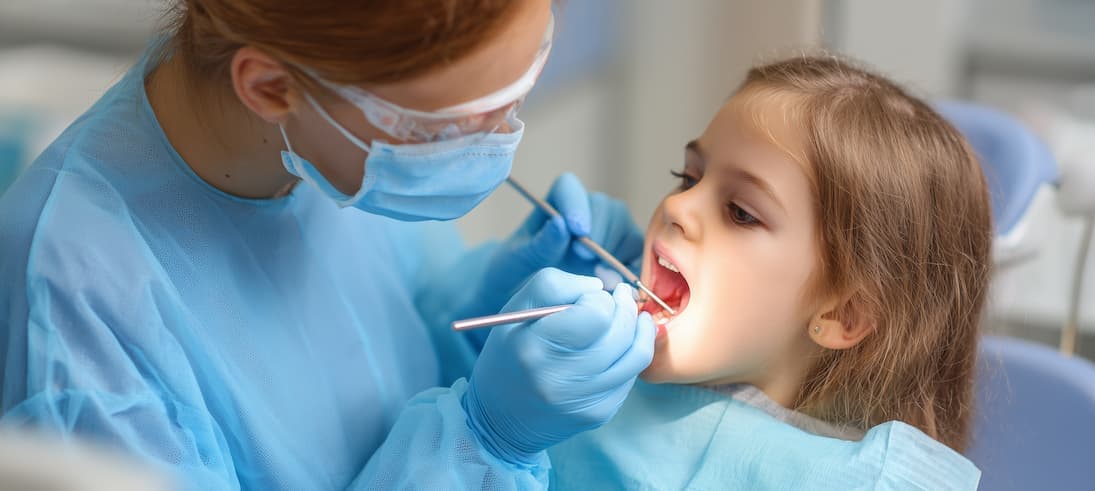
Modern preventive dental programmes encompass a comprehensive range of services designed to maintain oral health at every stage of life. Professional dental cleanings remain the cornerstone of preventive care, involving thorough removal of plaque and tartar deposits, followed by polishing to create smooth tooth surfaces that resist bacterial accumulation.
Fluoride treatments provide additional protection for tooth enamel, particularly beneficial for patients at higher risk of decay. Dental sealants offer targeted protection for the deep grooves in back teeth, where cavities commonly develop despite careful brushing.
Oral cancer screenings are commonly included in preventive visits, allowing for early recognition of changes that may need further assessment. Regular dental hygienist appointments provide professional cleaning and personalised oral health guidance tailored to individual patient needs.
Risk assessment and personalised prevention plans help identify patients who may benefit from additional protective measures, such as more frequent cleanings or specific home care products designed to address particular oral health challenges.
Benefits for Patients and Dental Practices
The expansion of preventive dental services creates positive outcomes for both patients and dental professionals. Patients experience fewer dental emergencies, reduced treatment costs over time, and better long-term oral health outcomes. Preventive care helps maintain natural teeth throughout life, avoiding the need for extensive restorative work.
For dental practices, preventive care allows for better treatment planning and more predictable patient outcomes. Regular visits enable dentists to monitor changes in oral health and address concerns promptly. This approach often results in higher patient satisfaction and stronger practitioner-patient relationships built on ongoing care rather than crisis intervention.
Preventive programmes also support efficient practice management, as regular maintenance appointments can be scheduled systematically, reducing the unpredictability associated with emergency treatments. This stability benefits both practice operations and patient care quality.
When Professional Dental Assessment May Be Needed
Certain signs may indicate the need for professional dental evaluation, even between regular preventive visits. Persistent tooth sensitivity, gum bleeding that continues despite improved home care, or changes in bite alignment warrant professional assessment. Unusual spots or patches in the mouth, ongoing bad breath, or loose teeth should be examined promptly.
Patients experiencing dental pain, swelling, or trauma should seek professional evaluation regardless of their regular appointment schedule. Changes in medical health or medications may also necessitate adjustments to preventive care protocols.
Maintaining Oral Health Between Visits
Effective preventive care extends beyond professional treatments to include consistent daily oral hygiene practices. Thorough twice-daily brushing with fluoride toothpaste removes bacterial plaque before it hardens into tartar. Daily flossing or interdental cleaning reaches areas between teeth that brushes cannot access effectively.
Dietary choices significantly impact oral health, with frequent consumption of sugary or acidic foods and drinks increasing the risk of tooth decay and enamel erosion. Drinking water throughout the day helps maintain healthy saliva flow, which naturally protects teeth and gums.
Avoiding tobacco products and limiting alcohol consumption supports both oral and general health. Professional tooth cleaning sessions provide opportunities to review and refine home care techniques, ensuring patients maximise the benefits of their daily oral hygiene routine.
Key Points to Remember
- Preventive dental services focus on maintaining oral health rather than treating problems after they develop
- Regular professional cleanings and examinations help detect potential issues early when treatment is most conservative
- Preventive care typically costs less than complex restorative treatments over time
- The approach supports both oral health and general wellbeing through the oral-systemic health connection
- Consistent home care combined with professional preventive services provides optimal oral health protection
- Early intervention often allows for more comfortable and conservative treatment options
Frequently Asked Questions
How often should I visit for preventive dental care?
Most adults benefit from preventive dental visits every six months, though some patients may require more frequent appointments based on their individual oral health needs. Factors such as gum disease history, decay risk, and medical conditions may influence the recommended frequency. Your dental team can determine the most appropriate schedule during your clinical assessment.
Are preventive dental services covered by insurance?
Many dental insurance plans provide good coverage for preventive services such as regular cleanings and examinations, recognising their cost-effectiveness in maintaining oral health. Coverage varies between plans, so checking with your insurance provider about specific benefits for preventive care is advisable before scheduling appointments.
What's the difference between a dental cleaning and a deep cleaning?
Regular dental cleanings maintain healthy gums and remove surface plaque and tartar. Deep cleaning, or scaling and root planing, treats gum disease by removing bacterial deposits below the gumline and smoothing root surfaces. The type of cleaning needed depends on your gum health and is determined during professional examination.
Can preventive care stop all dental problems?
Whilst preventive dental care significantly reduces the risk of many oral health problems, it cannot guarantee that no dental issues will ever develop. Factors such as genetics, medical conditions, medications, and lifestyle choices all influence oral health. However, preventive care helps catch problems early when treatment is typically more conservative and comfortable.
What should I expect during a preventive dental visit?
A typical preventive visit includes examination of teeth and gums, professional cleaning to remove plaque and tartar, polishing, and discussion of your oral health status. Your dentist may also perform oral cancer screening and take X-rays when indicated. The visit concludes with personalised advice about home care and scheduling your next appointment.
Is preventive dental care suitable for all ages?
Preventive dental care benefits patients throughout life, though specific services may be tailored to different age groups. Children may receive targeted preventive support such as fissure sealants and fluoride applications through routine continuing dental care, whilst adults may focus on gum disease prevention and oral cancer screening. Older adults often benefit from preventive care adapted to address age-related oral health challenges.
Conclusion
The expansion of preventive dental services represents a positive shift towards maintaining long-term oral health through proactive care rather than reactive treatment. This approach benefits patients by reducing the likelihood of complex dental problems whilst supporting overall wellbeing through the important connection between oral and general health.
Understanding the value of preventive dental care empowers patients to make informed decisions about their oral healthcare and take advantage of services designed to protect their smiles throughout life. Regular preventive visits, combined with consistent home care, provide the foundation for optimal oral health outcomes.
Dental symptoms and treatment options should always be assessed individually during a clinical examination.
Disclaimer
This article is for general educational purposes only and does not constitute dental advice. Individual symptoms, diagnoses, and treatment options should always be assessed by a qualified dental professional during a clinical examination.