

 South Kensington Tube.
Introduction
Many people are surprised to learn that a routine dental hygiene appointment can reveal far more than simply the state of their teeth and gums. If you have recently been told that your gums are persistently inflamed, slow to heal, or unusually prone to bleeding, you may have found yourself searching online for answers — and rightly so. These oral symptoms can sometimes be associated with underlying systemic health conditions, including diabetes.
Dental hygienists in London are increasingly recognised as important frontline healthcare professionals. Their detailed assessments of gum tissue, saliva, and oral health patterns mean they are often well-placed to notice signs that may warrant further investigation. Early signs of diabetes frequently appear in the mouth before a formal medical diagnosis has been made.
This article explains the connection between oral health and diabetes, what hygienists may observe during an appointment, and why attending regular dental hygiene visits plays an important role in your broader health and wellbeing. Understanding this relationship may help you take a more proactive approach to your overall health.
Featured Snippet: Can a Dental Hygienist Help Detect Early Signs of Diabetes?
Yes. Dental hygienists are trained to recognise oral signs that may be associated with early signs of diabetes, including persistent gum inflammation, slow tissue healing, dry mouth, and frequent oral infections. These findings do not confirm a diagnosis but may prompt appropriate referral to a medical professional for further assessment.
The Connection Between Oral Health and Diabetes
The relationship between oral health and diabetes is well-established in dental and medical research. Diabetes is a metabolic condition that affects how the body regulates blood glucose. When blood glucose levels are poorly controlled, the body's ability to fight infection and repair tissue becomes compromised — and the mouth is one of the first places where this vulnerability can become apparent.
Gum disease (periodontitis) and diabetes share a two-way relationship. Research suggests that people with undiagnosed or poorly managed diabetes are significantly more susceptible to gum disease. Equally, severe gum disease may make blood glucose levels more difficult to control, creating a cycle that can affect both oral and general health.
For patients who have not yet received a diabetes diagnosis, the early oral signs can be subtle. Gum tissue may appear slightly more inflamed than expected, bleeding may occur more readily during gentle cleaning, and minor cuts or ulcers in the mouth may take longer than usual to heal. These observations, combined with other clinical findings, may give a trained hygienist reason to ask further questions and consider an appropriate referral.
It is important to note that oral signs alone do not confirm diabetes. Any concerns observed during a hygiene appointment should be discussed with both a dental professional and a GP or relevant medical practitioner.
What Oral Signs May a Hygienist Notice?
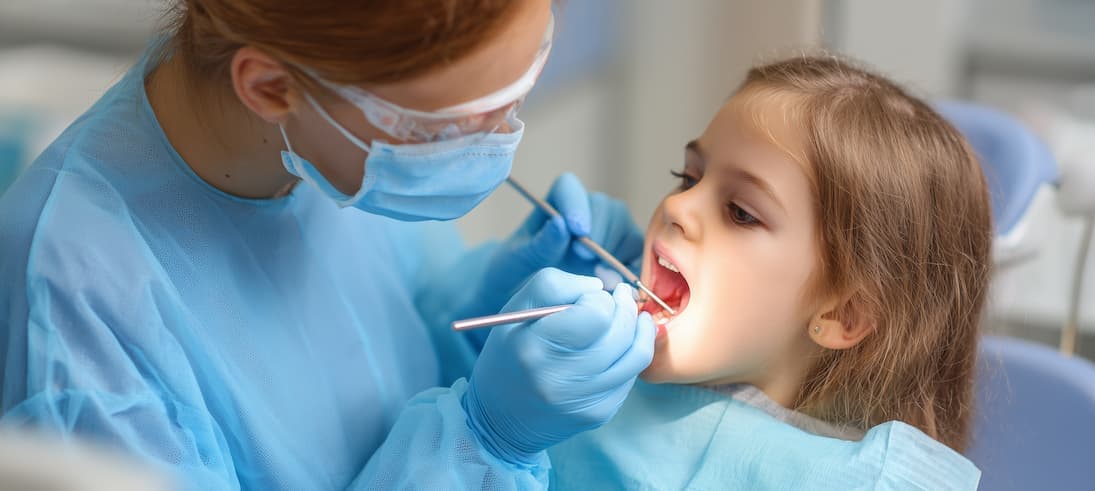
During a professional dental hygiene appointment, a hygienist carries out a thorough assessment of the soft tissues, gums, saliva flow, and overall condition of the mouth. Several findings may prompt further consideration of underlying systemic health conditions, including diabetes.
Persistent or Unexplained Gum Inflammation Gum tissue that remains swollen, red, or tender despite appropriate oral hygiene at home may indicate that something beyond standard gum disease is influencing the body's response. Uncontrolled blood glucose can impair immune function, making it harder for the body to manage gum inflammation effectively.
Frequent Oral Infections or Slow Healing Patients who experience repeated infections — such as oral thrush or recurring ulcers — or who notice that minor wounds inside the mouth heal slowly may be showing signs of impaired immune response.
Dry Mouth (Xerostomia) Reduced saliva flow is a recognised symptom in some people with diabetes. Saliva plays a vital protective role in the mouth, so a persistent feeling of dryness may increase the risk of tooth decay, gum problems, and oral discomfort. This related guide on how hygienists help patients manage dry mouth may be useful.
Unexplained Changes in Gum Tissue Receding gums, bone loss visible on dental X-rays, or tooth mobility beyond what would typically be expected for a patient's age or hygiene habits may also prompt further enquiry.
None of these signs, in isolation, confirm diabetes. However, a careful hygienist will consider them collectively and sensitively raise concerns where appropriate.
The Clinical Science Behind Oral Manifestations of Diabetes
Understanding why diabetes can affect the mouth requires a brief look at how elevated blood glucose levels influence the body's tissues and immune defences.
In a healthy individual, the immune system responds efficiently to bacterial activity in the gum pockets — the small spaces between the gums and teeth. White blood cells are dispatched to combat infection, gum tissue repairs itself, and the balance of bacteria in the mouth is kept in check.
In individuals with elevated or poorly managed blood glucose, this process becomes compromised. High glucose levels in saliva and gum fluid can encourage the growth of harmful bacteria. Simultaneously, the function of neutrophils — a type of white blood cell crucial for fighting infection — is impaired. This means the body mounts a less effective response to periodontal bacteria, allowing gum disease to develop or worsen more rapidly.
Elevated blood glucose also affects collagen metabolism. Collagen is a structural protein found throughout gum tissue and the periodontal ligament — the connective structure that anchors teeth within the jawbone. When collagen production and repair are disrupted, gum tissue becomes more fragile, and bone support around teeth may be compromised over time.
This explains why the gum disease seen in people with diabetes can be more severe and more resistant to standard treatment than in people without the condition. Understanding this biological relationship helps to reinforce why periodontal treatment and maintenance support are so valuable — not only for oral health but for broader systemic health monitoring.
How Hygienists Approach Potential Systemic Health Concerns
Dental hygienists in the United Kingdom are regulated by the General Dental Council (GDC) and operate within a clearly defined scope of practice. Their role is not to diagnose medical conditions such as diabetes; rather, they are trained to recognise oral findings that may warrant further professional investigation.
When a hygienist identifies a cluster of concerning oral signs during an appointment, they may take one or more of the following steps:
- Document their observations carefully within the patient's clinical record.
- Discuss their findings sensitively with the patient, explaining what they have noticed without causing unnecessary alarm.
- Recommend a consultation with the patient's GP, noting that certain oral findings may benefit from a general health review.
- Liaise with the supervising dentist, who may recommend further assessment or radiographs.
This collaborative, patient-centred approach reflects the joined-up model of healthcare that both NHS England and clinical governance frameworks encourage. Hygienists are not working in isolation; they are part of a broader healthcare team.
If you are concerned about any persistent oral health symptoms, discussing them openly with your hygienist is a sensible first step.
When You May Consider Seeking a Professional Dental Assessment
There are certain oral signs and symptoms that it may be appropriate to have assessed professionally, particularly if they are persistent, unexplained, or have changed recently. These may include:
- Gums that bleed regularly during brushing or flossing, even with good oral hygiene
- Persistent bad breath that does not resolve with improved cleaning
- A dry or uncomfortable mouth that has developed without obvious cause
- Mouth ulcers or sores that take longer than two to three weeks to heal
- Gum tissue that appears to be receding or teeth that feel looser than previously
- Frequent oral infections, including recurring thrush
Experiencing one or more of these symptoms does not mean you have diabetes or any other condition. However, attending a professional appointment allows a trained clinician to carry out a thorough assessment, provide appropriate advice, and refer you onward if that is considered helpful.
Regular hygiene appointments provide an opportunity for these observations to be made in a calm, clinical setting. If any of these symptoms resonate with you, arranging a dental hygienist consultation in London is a straightforward and sensible step.
Watch: What Does a Dental Hygienist Do?
Prevention and Oral Health Advice for Patients
Whether or not you have been diagnosed with diabetes or are concerned about your blood glucose levels, maintaining good oral health is always beneficial. The following practical steps can help support the health of your gums and teeth:
Brush twice daily with fluoride toothpaste. Use a soft-bristled toothbrush and spend at least two minutes cleaning all surfaces of the teeth. Electric toothbrushes can be particularly effective.
Clean between your teeth daily. Interdental brushes or floss remove plaque and food debris from spaces a toothbrush cannot reach. This is particularly important for gum health.
Attend regular dental and hygiene appointments. Professional cleaning removes calculus (hardened plaque) that cannot be removed at home. Your hygienist can also monitor changes in your gum health over time.
Stay well hydrated. Drinking water throughout the day supports healthy saliva flow, which protects the mouth from bacteria and acid.
Limit sugary food and drinks. Frequent sugar consumption raises the risk of tooth decay and can contribute to blood glucose fluctuations.
Be open with your dental team about your medical history. If you have received a diabetes diagnosis, or if you are concerned about your blood glucose, informing your hygienist and dentist allows them to tailor their care accordingly.
Attend your GP for routine health checks. If your dental team has noted oral findings that concern them, following up with a GP for a general health assessment — including blood glucose screening — is a sensible course of action.
For patients in London seeking personalised gum health support, learning more about managing diabetes and gum disease risks effectively may be a useful starting point.
If you are unsure whether your symptoms need urgent attention, you can also contact our team for guidance on the most appropriate next step.
Key Points to Remember
- Dental hygienists are trained to observe oral signs that may be associated with systemic health conditions, including early signs of diabetes.
- Common oral indicators include persistent gum inflammation, slow healing, dry mouth, and frequent oral infections.
- These observations do not diagnose diabetes but may prompt an appropriate referral to a GP or medical professional.
- The relationship between gum disease and diabetes is well-supported by research and involves immune function, blood glucose, and collagen metabolism.
- Regular dental hygiene appointments are valuable not only for oral health but as part of a broader preventative health approach.
- Maintaining good oral hygiene habits at home, staying hydrated, and attending routine professional appointments all contribute to long-term gum and general health.
Frequently Asked Questions
Can a dental hygienist diagnose diabetes?
No. A dental hygienist does not diagnose diabetes or any other medical condition. Their role is to carry out thorough oral health assessments and to recognise signs that may be clinically significant. If a hygienist notices oral findings that could be associated with a systemic condition such as diabetes, they will raise these observations sensitively with the patient and may recommend a consultation with a GP. Any diagnosis would be made by an appropriately qualified medical professional following relevant clinical tests.
What are the most common oral signs of undiagnosed diabetes?
Oral signs that may be associated with undiagnosed or poorly managed diabetes include persistent gum inflammation, gums that bleed easily, slow-healing mouth ulcers or wounds, frequent oral infections such as thrush, and dry mouth. These signs are not exclusive to diabetes and can occur for a variety of reasons. If you notice any of these symptoms and they persist, it is advisable to discuss them with both your dental team and your GP for a broader assessment.
How often should I see a dental hygienist if I have diabetes?
If you have received a diabetes diagnosis, your dental team may recommend more frequent hygiene appointments than the standard interval. Many patients with diabetes benefit from visits every three to four months rather than every six months, as they may be at higher risk of developing or worsening gum disease. The appropriate frequency for your appointments should be agreed upon during a clinical assessment, taking into account your current gum health, medical history, and blood glucose management.
Does gum disease make diabetes worse?
Research suggests that severe gum disease (periodontitis) may make blood glucose levels more difficult to manage, which in turn can complicate diabetes management. The relationship is considered bidirectional — diabetes can worsen gum disease, and advanced gum disease may influence blood glucose control. Treating gum disease as part of a comprehensive health approach may therefore be beneficial for some patients managing diabetes. This is something best discussed with both your dental team and your medical practitioner.
Is dry mouth always a sign of diabetes?
No. Dry mouth, also known as xerostomia, has many possible causes including certain medications, dehydration, mouth breathing, anxiety, and other medical conditions. While dry mouth can be associated with diabetes, it is not a reliable indicator on its own. If you experience persistent dry mouth, it is worth mentioning to both your dental hygienist and your GP so that the cause can be explored appropriately.
Can improving my oral hygiene reduce my diabetes risk?
Maintaining good oral hygiene supports gum health and reduces the risk of periodontal disease. While improving oral hygiene alone is unlikely to directly reduce the risk of developing type 2 diabetes, managing gum disease effectively may support better blood glucose management in those already living with diabetes. A healthy lifestyle approach — including a balanced diet, regular physical activity, and routine health checks — is generally recommended for reducing the risk of type 2 diabetes.
Conclusion
The role of the dental hygienist extends well beyond teeth cleaning. Trained to observe the fine details of oral tissue health, hygienists are increasingly recognised as valuable contributors to wider health screening. Their ability to notice early signs of diabetes through careful oral assessment means that a routine hygiene appointment may, in some cases, prompt a health conversation that proves genuinely significant for a patient's long-term wellbeing.
Understanding that the mouth is a window to overall health encourages a more joined-up approach — one where dental and medical teams communicate and where patients feel empowered to raise concerns in either setting. Whether you have a family history of diabetes, have been told your gums are persistently inflamed, or simply want to take a proactive approach to your health, regular visits to a dental hygienist are a worthwhile part of your preventative health routine.
If you are concerned about any of the oral symptoms discussed in this article, speaking with a dental hygienist or your GP is a calm and sensible first step. Early observations, professionally assessed, are always more helpful than delayed action.
Dental symptoms and treatment options should always be assessed individually during a clinical examination.
This article is for educational and informational purposes only. It does not provide diagnosis, treatment, or personalised dental or medical advice. Oral and systemic symptoms should always be assessed during a clinical examination. If you are concerned about possible diabetes-related signs, consult your GP and dental professional.
Disclaimer
This article is for general educational purposes only and does not constitute dental advice. Individual symptoms, diagnoses, and treatment options should always be assessed by a qualified dental professional during a clinical examination.