South Kensington Tube.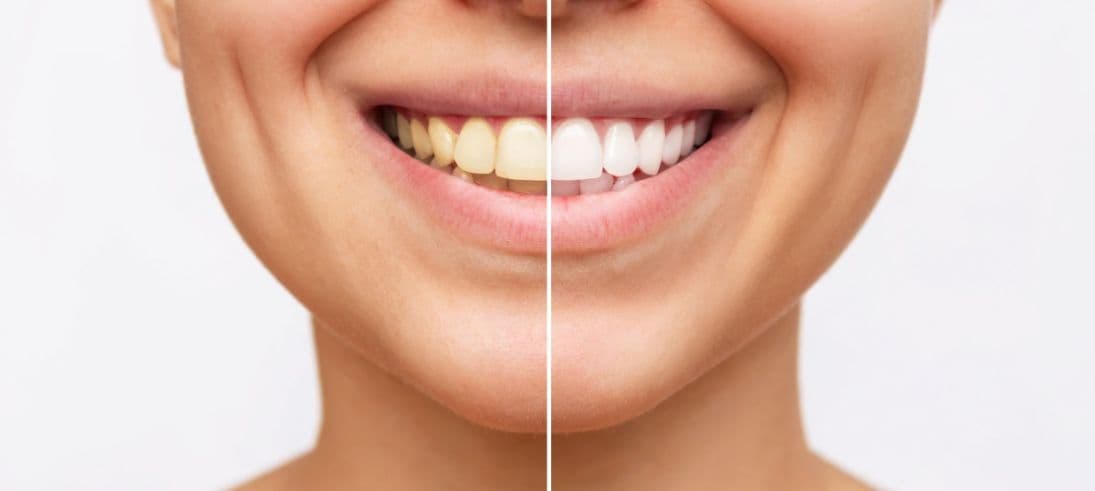
Many patients who are interested in natural health remedies have begun asking their dental hygienist about turmeric — the vibrant yellow spice well known in cooking, herbal medicine, and increasingly in wellness trends. A common concern is whether using turmeric for oral health actually helps, or whether it causes more harm than good by staining the teeth.
If you have searched online for information about turmeric and teeth staining, you are certainly not alone. With so many social media recommendations promoting turmeric toothpaste, oil pulling with turmeric, or turmeric mouthrinse, it is understandable that patients want a balanced, clinically responsible explanation of what the evidence actually suggests.
This article explores the dual nature of turmeric in oral health — specifically addressing its well-documented staining potential and the early-stage evidence surrounding its active compound, curcumin, and gum health. Understanding both sides of this topic can help you make informed decisions about your oral hygiene routine. Where turmeric use forms part of your regular habits, discussing this with a dental professional is always a worthwhile step.
Featured Snippet: Does Turmeric Stain Teeth or Benefit Gum Health?
Turmeric can cause noticeable turmeric teeth staining due to its intensely pigmented compound, curcumin. However, preliminary research also suggests curcumin may have anti-inflammatory and antimicrobial properties relevant to gum health. The two effects are not mutually exclusive — turmeric may offer some gingival benefits whilst simultaneously posing a staining risk to tooth enamel.
What Makes Turmeric So Problematic for Tooth Colour?
Turmeric gets its distinctive deep yellow-orange colour from a group of naturally occurring chemical compounds known as curcuminoids, the most active of which is curcumin. Curcumin is a powerful chromogen — meaning it is a highly pigmented molecule with a strong tendency to bind to surfaces, including tooth enamel.
When turmeric is applied to teeth — whether through diet, turmeric toothpaste, or oral rinses — the curcumin molecules can adsorb onto the surface of enamel and the acquired pellicle (a thin protein film that coats the teeth). Over time, and particularly with repeated exposure, this can result in visible yellowing or deepening discolouration of the teeth.
Unlike staining from tea or coffee, which tends to accumulate more gradually, turmeric's pigment is particularly concentrated and can produce noticeable discolouration quite quickly. It is worth noting that turmeric staining is generally classified as extrinsic staining — meaning it sits on the outer surface of the tooth rather than affecting the inner structure of the tooth. Extrinsic staining can often be addressed through professional cleaning, though the degree to which staining can be removed depends on individual factors assessed clinically.
If you are concerned about existing tooth discolouration, a professional dental hygiene appointment can help identify the cause and appropriate approach.
Understanding Curcumin and the Science of Gum Health
Despite its staining potential, curcumin — the active compound in turmeric — has attracted growing scientific interest in the context of periodontal (gum) health. A number of laboratory and small-scale clinical studies have explored whether curcumin's anti-inflammatory and antimicrobial properties could be beneficial in managing gum disease.
Gum disease (periodontal disease) is driven largely by the bacterial biofilm that forms on teeth and along the gumline. When this biofilm is not regularly disrupted through effective brushing and professional cleaning, the immune system responds with inflammation — which is the primary mechanism behind the redness, swelling, and bleeding that characterise gingivitis (early-stage gum disease) and, in more advanced cases, periodontitis.
Early research suggests that curcumin may inhibit certain pro-inflammatory pathways and demonstrate some antimicrobial activity against oral bacteria. Some small studies have examined curcumin-based gels applied as an adjunct to standard gum treatment, with modest positive findings. However, it is important to state clearly that the current evidence base remains limited. Most studies have been small in scale, short in duration, or conducted in laboratory settings. Curcumin as a standalone treatment for gum disease is not an established clinical standard in UK dental practice.
Understanding your own gum health status requires a professional assessment — a dental hygienist can evaluate the health of your gums and advise on evidence-based treatment options suited to your individual needs.
The Dental Science Behind Enamel Staining
To understand why turmeric stains teeth so readily, it helps to understand a little about tooth enamel. Enamel is the hard, outer layer of the tooth and is the most mineralised tissue in the human body. It is composed primarily of hydroxyapatite crystals arranged in a complex structure that provides both strength and a degree of translucency.
Although enamel is extremely hard, it is not entirely smooth at a microscopic level. The surface of enamel contains tiny irregularities and pores, and it is always coated by a thin layer called the acquired pellicle — a film made up of salivary proteins. Chromogenic (colour-producing) compounds such as curcumin can bind to this pellicle layer and, with repeated exposure, penetrate into the micro-irregularities of the enamel surface itself.
This process — known as adsorption — explains why even short-term or occasional use of turmeric-based oral products can result in noticeable discolouration. The intensity of staining can vary between individuals depending on factors such as enamel texture, saliva composition, dietary habits, and oral hygiene practices.
Intrinsic tooth discolouration — which originates from within the tooth structure — is a separate and distinct issue from the extrinsic staining associated with turmeric. Any concerns about tooth colour or changes in appearance are best discussed with a dental professional.
What Does the Evidence Actually Say About Turmeric for Oral Health?
It is important to approach claims about turmeric and oral health with a balanced and evidence-informed perspective. Here is what the current research broadly suggests:
Potential areas of interest in research:
- Curcumin has demonstrated anti-inflammatory properties in laboratory studies
- Some small clinical trials have explored curcumin-based gels as an adjunct (add-on) to conventional periodontal treatment
- Antimicrobial activity against certain oral bacteria has been observed in controlled studies
Limitations of the current evidence:
- Most studies are small, short-term, or not conducted under rigorous randomised controlled trial conditions
- There is insufficient evidence to recommend turmeric as a primary treatment for any oral health condition
- No regulatory body in the UK currently endorses turmeric-based products as a clinical standard treatment for gum disease
On staining:
- Turmeric's staining potential is well-established and widely documented
- Regular use of turmeric-based oral products is associated with a meaningful risk of extrinsic tooth discolouration
The current scientific consensus is that turmeric may be of interest in ongoing research, but it should not replace conventional, evidence-based oral hygiene practices or professional dental care.
Is Turmeric Toothpaste Safe to Use?
A number of commercially available toothpastes and oral care products now include turmeric as an ingredient, often marketed on the basis of its natural origin or potential anti-inflammatory properties. Patients frequently ask whether these products are safe and appropriate to use.
There are several considerations worth bearing in mind:
Staining risk: Products containing turmeric carry an inherent risk of contributing to extrinsic tooth staining. If you are already prone to dental discolouration, or have cosmetic dental work such as veneers or crowns, this is a particularly relevant consideration.
Abrasiveness: Some turmeric toothpastes contain additional abrasive ingredients. The Relative Dentine Abrasivity (RDA) of a toothpaste is an important consideration — highly abrasive products used over time can contribute to enamel wear. Checking whether a product carries regulatory approval and falls within safe abrasivity limits is advisable.
Absence of fluoride: Many natural or turmeric-based toothpastes do not contain fluoride. Fluoride remains the most well-evidenced active ingredient for caries (tooth decay) prevention. UK dental guidance, including recommendations from Public Health England, supports the use of fluoride toothpaste for adults and children as part of a daily oral hygiene routine.
If you are considering switching to a turmeric-based toothpaste, discussing this choice with your dental hygienist is a sensible first step. They can advise based on your individual oral health profile.
Practical Prevention: Maintaining Good Oral Health if You Use Turmeric
If you regularly consume turmeric as part of your diet — which is entirely reasonable, as it is a common culinary ingredient — or if you choose to use turmeric-based oral products, there are some practical measures that may help minimise the risk of associated tooth staining:
Dietary habits:
- Rinse your mouth with water shortly after consuming turmeric-rich foods or drinks
- Avoid brushing immediately after consuming highly acidic foods or drinks alongside turmeric — wait at least 30 minutes
- Ensure you are maintaining a balanced, tooth-friendly diet overall
Oral hygiene routine:
- Brush twice daily with a fluoride toothpaste (at least 1,450 ppm fluoride for adults, as per NHS guidance)
- Floss or use interdental brushes daily to remove plaque from between the teeth
- Consider using a straw for turmeric-based drinks to reduce direct tooth contact
Professional dental care:
- Attend regular dental and hygiene appointments — professional cleaning (scaling and polishing) can address extrinsic staining that cannot be removed by brushing alone
- Inform your dental hygienist about your use of turmeric or turmeric-based products so they can tailor their assessment accordingly
Exploring Airflow polishing for stain management can help you maintain a healthy, stain-free smile even if turmeric is a regular part of your diet or routine.
When to Seek Professional Dental Assessment
While turmeric-related tooth staining is typically an aesthetic concern rather than a clinical emergency, there are a number of situations in which seeking professional dental evaluation sooner rather than later is advisable:
Changes in tooth colour: If you notice significant or rapid changes in the appearance of your teeth, particularly if you are also experiencing sensitivity or discomfort, this warrants assessment. Not all tooth discolouration is extrinsic or cosmetic in origin. For related lifestyle staining patterns, see how coffee culture in London affects tooth staining.
Gum symptoms: Bleeding gums, persistent soreness, swelling, or gums that appear to be receding should always be evaluated by a dental professional. These may be signs of gingivitis or periodontal disease, which benefit from early professional intervention and, where needed, periodontal treatment.
Sensitivity to temperature or touch: Increased sensitivity in the teeth can sometimes indicate enamel wear or other dental changes that are unrelated to staining but may be relevant to your oral care habits.
Concerns about your oral hygiene routine: If you are uncertain whether the products you are using are appropriate for your teeth or gums, a dental hygiene assessment is a helpful, non-invasive first step.
Addressing these concerns early is generally beneficial for long-term oral health outcomes. A dental hygienist is well-placed to assess gum health, provide personalised guidance, and support patients in making informed decisions about their oral care routine.
Watch: What Does a Dental Hygienist Do?
Understanding what a dental hygiene appointment involves can help you feel more confident about seeking professional advice for concerns like staining, gum health, and your daily oral care routine.
Key Points to Remember
- Turmeric teeth staining is a well-documented effect caused by curcumin, the active pigmented compound in turmeric, which binds to tooth enamel surfaces.
- Turmeric staining is generally extrinsic (surface-level) and may be managed with professional dental cleaning, depending on individual circumstances.
- Early-stage research suggests curcumin may have some anti-inflammatory and antimicrobial properties relevant to gum health, but the evidence is not yet sufficient to recommend it as a clinical treatment.
- Turmeric toothpastes often lack fluoride — the most evidence-supported active ingredient for caries prevention — and should be chosen with care.
- Maintaining a consistent oral hygiene routine and attending regular professional dental appointments remains the most effective approach to both gum health and stain management.
- Individual oral health needs vary, and any questions about turmeric's impact on your teeth or gums are best discussed during a professional dental assessment.
Frequently Asked Questions
Does eating turmeric regularly stain your teeth?
Regular consumption of turmeric — whether through food, drinks, or oral health products — does carry a risk of contributing to extrinsic tooth staining. The curcumin compound in turmeric is highly pigmented and binds readily to the surface of tooth enamel and the protein film that coats it. The degree of staining varies between individuals and depends on frequency of exposure, oral hygiene habits, and the natural characteristics of their teeth. Rinsing with water after consuming turmeric and attending regular professional dental hygiene appointments can help manage this risk.
Can turmeric help treat gum disease?
Some preliminary research has explored curcumin's potential anti-inflammatory and antimicrobial properties in the context of gum disease. A small number of clinical studies have examined curcumin-based gels as an adjunct to conventional periodontal treatment, with some positive early findings. However, the current evidence base is limited, and turmeric is not an established or recommended clinical treatment for gum disease in the UK. Professional gum assessment and evidence-based periodontal treatment remain the appropriate clinical pathway for patients with gum concerns.
Is turmeric toothpaste better than regular toothpaste?
Most turmeric-based toothpastes do not contain fluoride, which is the most well-evidenced active ingredient for preventing tooth decay. UK dental guidance strongly supports the use of fluoride toothpaste as part of daily oral hygiene for both adults and children. Turmeric toothpastes may also vary in abrasiveness and are not subject to the same clinical validation as standard fluoride toothpastes. Whether a particular toothpaste is suitable for you depends on your individual oral health profile, which is best assessed by a dental professional.
Will professional cleaning remove turmeric staining from teeth?
Professional dental cleaning — including scaling and polishing procedures carried out by a dental hygienist — can address many forms of extrinsic staining, including that caused by turmeric. The effectiveness of stain removal depends on the depth and duration of the staining, the condition of the enamel, and individual patient factors. In some cases, additional options such as professional tooth whitening may be considered, though suitability for any procedure is always determined by clinical assessment. Visiting our London clinic contact page is a good starting point for addressing visible staining.
How can I reduce turmeric staining without stopping its use?
There are several practical steps that may help reduce turmeric-related staining if you wish to continue using it. These include rinsing your mouth with water shortly after consuming turmeric, using a straw for turmeric-based drinks where possible, maintaining a thorough twice-daily brushing routine with fluoride toothpaste, using interdental brushes or floss daily, and attending regular professional dental hygiene appointments. Speaking with your dental hygienist about your habits will allow them to offer personalised advice appropriate to your specific teeth and gum health needs.
Are there any risks to using turmeric directly on the teeth?
Applying turmeric directly to the teeth — for example, as a paste or rinse — carries a meaningful risk of causing noticeable extrinsic staining. Depending on the formulation, there may also be concerns about the abrasiveness of certain ingredients or the absence of fluoride. At present, there is insufficient clinical evidence to support recommending direct turmeric application as an oral health treatment. If you are curious about the suitability of specific products for your teeth, a dental hygiene consultation is the most appropriate way to obtain personalised, evidence-based guidance.
Conclusion
The relationship between turmeric and oral health is genuinely nuanced. On one hand, turmeric teeth staining is a recognised and well-documented consequence of curcumin's strong pigmentation — one that patients who use turmeric regularly, either in their diet or as part of an oral care routine, should be aware of. On the other hand, the early-stage research into curcumin's anti-inflammatory and antimicrobial properties presents an interesting area of scientific enquiry, even if the evidence is not yet sufficient to recommend it as a clinical treatment for gum disease.
What this means practically is that turmeric is neither a dental miracle ingredient nor something to be alarmed about in your diet. Balanced, informed awareness — combined with good daily oral hygiene and regular professional dental care — remains the most effective approach to long-term oral health.
If you have concerns about tooth discolouration, gum health, or the products you are using as part of your oral hygiene routine, speaking with a qualified dental hygienist is always a helpful step. They can assess your individual circumstances and provide guidance tailored to your needs.
Dental symptoms and treatment options should always be assessed individually during a clinical examination.
Disclaimer
This article is for general educational purposes only and does not constitute dental advice. Individual symptoms, diagnoses, and treatment options should always be assessed by a qualified dental professional during a clinical examination.