

 South Kensington Tube.
Introduction
If you have ever glanced in the mirror and noticed that your teeth look a little duller or more yellow than they once did, you are certainly not alone. Many Londoners share this concern, and one of the most frequently asked questions relates to whether their daily coffee habit could be to blame. With London's thriving coffee culture — from independent specialty roasters in Shoreditch to beloved café chains dotted across every high street — it is no surprise that coffee and tooth staining is a topic that so many people search for online.
This article explores how London's coffee culture may contribute to tooth discolouration, the dental science behind why staining occurs, and what practical steps you can take to help maintain a brighter smile. Understanding the relationship between dietary habits and tooth staining matters because it allows you to make more informed choices about your oral health routine. While some degree of staining is entirely normal, there are situations where seeking professional dental advice may be beneficial — particularly if discolouration is accompanied by other symptoms or if you would like guidance on appropriate approaches to improving the appearance of your teeth. For readers looking to tighten up their daily routine, oral hygiene tips for busy London professionals is a useful companion piece.
Does Coffee Stain Your Teeth?
How does coffee culture in London affect tooth staining?
London's widespread coffee consumption exposes teeth to chromogens and tannins — natural compounds in coffee that bind to tooth enamel and gradually cause surface discolouration. Frequent daily intake, common among London commuters and professionals, increases the likelihood of coffee tooth staining over time. Regular dental hygiene appointments and good oral care habits can help manage and reduce the build-up of these stains.
Why London's Coffee Culture Is Unique
London has become one of Europe's most prominent cities for coffee consumption. The city is home to thousands of cafés, and some reports suggest that the average Londoner may drink more than two cups of coffee per day. For many, a morning flat white or afternoon espresso is a deeply embedded part of the daily routine — whether grabbed on the commute from a station kiosk or enjoyed during a meeting at a local independent café.
This high frequency of coffee consumption is significant from a dental perspective. It is not simply that coffee can stain teeth, but that repeated exposure throughout the day gives staining compounds more opportunity to accumulate on the tooth surface. The rise of larger serving sizes and the popularity of slow-sipping habits — such as nursing an iced coffee at a desk for several hours — further extends the contact time between coffee and enamel.
Understanding this cultural context helps explain why so many London residents notice gradual changes in the colour of their teeth, even when they maintain a reasonable oral hygiene routine.
The Dental Science Behind Coffee Staining
To understand why coffee affects the colour of your teeth, it helps to know a little about tooth structure. The outermost layer of each tooth is called enamel. Although enamel is the hardest substance in the human body, it is not perfectly smooth at a microscopic level. Its surface contains tiny pits and ridges that can trap pigmented particles.
Coffee contains two key groups of compounds responsible for staining:
- Chromogens — intensely pigmented molecules that adhere to dental enamel.
- Tannins — naturally occurring polyphenols that enhance the ability of chromogens to stick to the tooth surface.
When you drink coffee, these compounds settle into the microscopic imperfections on the enamel surface. Over time, with repeated exposure, a layer of stain builds up. This type of staining is generally classified as extrinsic staining, meaning it affects the outer surface of the tooth rather than the internal structure.
Additionally, coffee is mildly acidic. Frequent exposure to acidic beverages can gradually soften the enamel surface, making it slightly more porous and potentially more susceptible to absorbing pigmented compounds. This does not mean that coffee causes significant enamel damage for most people, but it is one factor that may contribute to the staining process over time. If plaque and stain are left unmanaged for long periods, what happens if plaque is not removed for 2 years? offers helpful wider context.
Common Signs of Coffee-Related Tooth Discolouration
Tooth staining from coffee tends to develop gradually, which means many people do not notice the change until it has become quite established. Some common signs include:
- A general yellowing or browning of the teeth, particularly along the front surfaces
- More noticeable discolouration near the gum line, where plaque and stain can accumulate
- Uneven colour across different teeth, with some appearing darker than others
- A dull or lacklustre appearance to the smile, even after brushing
It is worth noting that the degree of staining varies considerably from person to person. Factors such as the natural porosity of your enamel, the roughness of your tooth surfaces, your saliva composition, and your overall oral hygiene routine all play a role. Some individuals may drink several cups of coffee daily with minimal visible staining, whilst others may notice changes relatively quickly.
If you are unsure whether the discolouration you are noticing is related to coffee or could have another cause, a dental professional can help assess this during a routine examination.
Other Dietary and Lifestyle Factors That Contribute to Staining
While coffee is one of the most commonly discussed causes of tooth staining in London, it is rarely the only factor. Many of the beverages and foods popular in everyday London life can also contribute to discolouration:
- Tea — particularly black tea, which contains even higher levels of tannins than coffee
- Red wine — a common accompaniment to meals, rich in both chromogens and tannins
- Dark-coloured foods — such as berries, soy sauce, balsamic vinegar, and curry-based dishes
- Smoking and tobacco use — one of the most significant causes of extrinsic tooth staining
In many cases, it is the cumulative effect of multiple staining sources, combined with coffee consumption, that leads to noticeable discolouration. This is an important consideration because reducing staining risk is often about managing overall dietary habits rather than eliminating a single food or drink.
Understanding that professional teeth cleaning can help remove accumulated surface stains may be reassuring if you enjoy these foods and drinks regularly. For broader daily care strategies, our guide on oral hygiene tips for busy London professionals offers practical advice.
How Coffee Staining Differs from Other Types of Discolouration
Not all tooth discolouration is the same, and it is helpful to understand the difference between extrinsic and intrinsic staining.
Extrinsic staining occurs on the outer surface of the tooth. Coffee, tea, red wine, and tobacco are typical causes. This type of staining can often be improved with professional cleaning and good oral hygiene practices.
Intrinsic staining originates from within the tooth structure. Causes may include certain medications taken during tooth development, excessive fluoride exposure in childhood, dental trauma, or natural changes associated with ageing. Intrinsic staining does not respond to surface cleaning alone and may require different approaches if treatment is desired.
There are also cases where a combination of both types of staining is present. For example, as enamel naturally thins with age, the slightly darker dentine layer beneath becomes more visible, and this can be compounded by surface staining from coffee and other dietary sources.
A dental professional can help determine the type of discolouration present during a clinical examination and advise on the most appropriate options for your individual situation.
The Role of Professional Dental Hygiene in Managing Stains
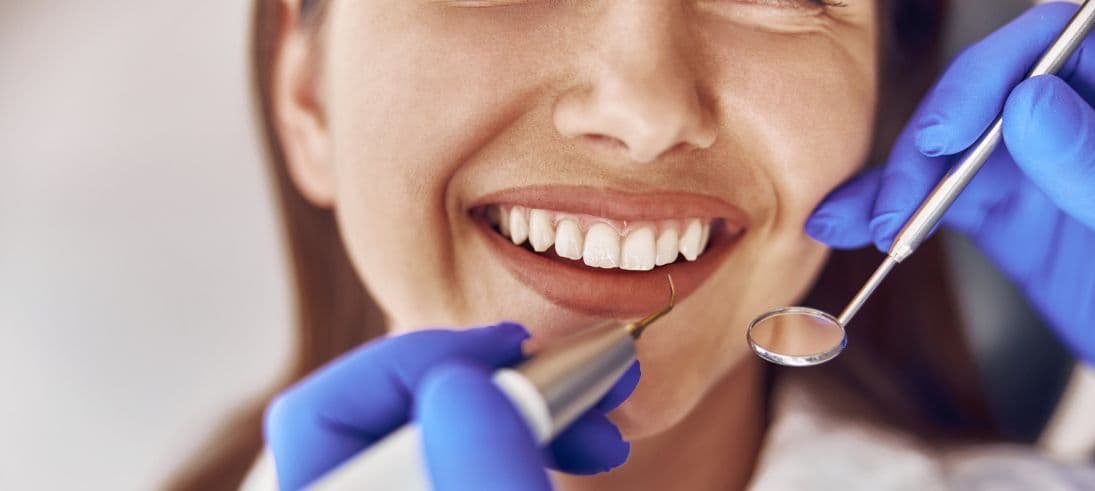
One helpful way to manage extrinsic coffee staining is through regular dental hygiene appointments. During a professional cleaning, a dental hygienist uses specialised instruments and techniques to carefully remove plaque, tartar, and surface stains that routine brushing alone may not fully address.
Professional cleaning methods commonly used include:
- Ultrasonic scaling — uses gentle vibrations to break down hardened deposits on the tooth surface
- Air polishing — directs a controlled stream of fine powder particles to help lift surface stains
- Hand scaling and polishing — allows precise removal of deposits in specific areas
These procedures are generally comfortable and are carried out as part of a routine preventative care appointment. Many patients notice a visible improvement in the brightness of their teeth following a hygiene visit, particularly if staining has been building up over several months.
That kind of preventive attendance can also make a practical difference over time, as outlined in early assessment of gum health and its potential cost implications.
The frequency of hygiene appointments that may be appropriate for you depends on your individual oral health needs. Your dental hygienist can advise on a suitable schedule during your visit.
When Professional Dental Assessment May Be Needed
While coffee-related tooth staining is generally a cosmetic concern rather than a sign of dental disease, there are certain situations where it may be advisable to seek a professional dental assessment:
- You notice sudden or unusual changes in tooth colour that do not seem related to diet
- Discolouration is accompanied by tooth sensitivity, pain, or discomfort
- You observe dark spots or patches on individual teeth that were not previously present
- Your gums appear red, swollen, or bleed when you brush or floss
- You have not had a dental check-up or hygiene appointment for an extended period
- You are interested in understanding your options for improving the appearance of your teeth
These situations do not necessarily indicate a serious problem, but a clinical examination allows a dental professional to assess your oral health thoroughly and provide personalised advice.
If you are experiencing any of these signs, booking an appointment with a dental professional is a sensible step. Early assessment can help identify any underlying issues and ensure you receive appropriate guidance.
Practical Tips to Help Reduce Coffee Staining
If you enjoy coffee and would like to reduce its potential impact on the colour of your teeth, there are several practical strategies that may help:
Rinse with Water After Drinking Coffee
Swishing plain water around your mouth after finishing a coffee can help wash away some of the staining compounds before they settle onto the enamel surface. This is a simple habit that can be easily incorporated into your daily routine.
Avoid Brushing Immediately After Acidic Drinks
It may seem logical to brush your teeth straight after coffee, but because coffee is mildly acidic, brushing immediately could potentially cause minor abrasion to temporarily softened enamel. Waiting approximately 30 minutes before brushing is generally advisable.
Use a Straw for Iced Coffee
Drinking iced coffee through a straw reduces the amount of contact the liquid has with the front surfaces of your teeth. While this does not eliminate staining risk entirely, it can help minimise direct exposure.
Maintain a Consistent Oral Hygiene Routine
Brushing twice daily with a fluoride toothpaste and cleaning between your teeth with interdental brushes or floss remains the foundation of good oral health and can help manage surface stain accumulation.
Consider Regular Professional Cleaning
As discussed, routine hygiene appointments can help keep staining under control and contribute to overall oral health. This is especially relevant if your work involves commuting or travel, as discussed in maintaining oral health during frequent business travel.
Key Points to Remember
- London's coffee culture means many residents are regularly exposed to staining compounds such as chromogens and tannins.
- Coffee staining is typically extrinsic, affecting the outer surface of the enamel, and can often be managed with good oral hygiene and professional cleaning.
- The acidity of coffee may make enamel slightly more susceptible to absorbing pigmented compounds over time.
- Other foods, drinks, and lifestyle factors also contribute to tooth discolouration — coffee is rarely the sole cause.
- Regular dental hygiene appointments are one helpful way to manage and reduce surface staining.
- If you notice unusual changes in tooth colour or experience accompanying symptoms, seeking a professional dental assessment is advisable.
Frequently Asked Questions
Can coffee permanently stain my teeth?
Coffee staining is predominantly extrinsic, meaning it accumulates on the outer surface of the tooth enamel. In most cases, this type of staining can be significantly improved or removed through professional dental cleaning and consistent oral hygiene practices. However, if staining is left unaddressed for extended periods, it can become more firmly established and may be more challenging to remove with brushing alone. The extent of staining varies between individuals depending on enamel characteristics, oral hygiene habits, and the frequency of coffee consumption. A dental hygienist can assess the nature of any staining and advise on suitable management approaches.
How often should I visit a dental hygienist if I drink a lot of coffee?
The recommended frequency of dental hygiene appointments varies depending on individual oral health needs. Some patients benefit from visits every three to four months, whilst others may find six-monthly appointments sufficient. Factors such as the rate of stain and tartar accumulation, gum health, and overall oral hygiene effectiveness all influence the appropriate schedule. Your dental hygienist can recommend a personalised frequency based on your clinical assessment. Regular appointments help ensure that surface stains are managed before they become heavily established and contribute to your overall preventative oral health care.
Is tooth whitening suitable for coffee-stained teeth?
Tooth whitening treatments, when carried out or supervised by a registered dental professional, may be appropriate for suitable candidates. However, not all types of discolouration respond equally well to whitening, and treatment suitability depends on an individual clinical assessment. Factors such as the type of staining, the health of your teeth and gums, and any existing dental restorations all need to be considered. In the UK, tooth whitening is a regulated dental procedure that should only be provided by qualified dental professionals. If you are interested in whitening options, discussing your goals during a dental appointment is usually a sensible starting point.
Does adding milk to coffee reduce staining?
There is some suggestion that adding milk to coffee may slightly reduce its staining potential. Milk contains casein, a protein that may bind to tannins in coffee and reduce their ability to adhere to tooth enamel. However, the extent of this effect is not well established in clinical research, and adding milk is unlikely to eliminate staining risk entirely. It may be a helpful additional measure alongside other strategies such as rinsing with water after drinking coffee and maintaining a thorough oral hygiene routine, but it should not be relied upon as the sole method of stain prevention.
Are some types of coffee worse for staining than others?
Generally, darker roasts and stronger brews contain higher concentrations of chromogens and tannins, which are the primary compounds responsible for staining. Espresso-based drinks, whilst strong in flavour, are consumed in smaller volumes and over shorter periods compared to a large filter coffee sipped over several hours. The duration of contact between coffee and tooth enamel is an important factor, so slowly sipping a large coffee throughout the morning may contribute more to staining than drinking a quick espresso. Cold brew coffee may also differ in its staining potential due to variations in acidity and compound extraction during the brewing process.
Can electric toothbrushes help remove coffee stains?
Electric toothbrushes, particularly those with oscillating or sonic technology, can be more effective at removing surface plaque and some superficial staining compared to manual brushing. However, they are not a substitute for professional dental cleaning when it comes to removing established stains or hardened tartar deposits. Using an electric toothbrush as part of your daily oral hygiene routine may help slow the rate of stain accumulation and keep your teeth feeling cleaner between hygiene appointments. Your dental hygienist can advise on brushing technique and recommend oral care products that may support stain management for your individual needs.
Conclusion
London's vibrant coffee culture is an enjoyable part of daily life for many residents, but regular coffee consumption can contribute to gradual tooth staining over time. Understanding the dental science behind why this happens — including the role of chromogens, tannins, and the microscopic structure of enamel — empowers you to take practical steps to help manage discolouration whilst still enjoying your favourite brew.
Maintaining a consistent oral hygiene routine, rinsing with water after coffee, and attending regular dental hygiene appointments are among the more helpful strategies for keeping coffee stains under control. If you notice any changes in your teeth that concern you, or if you would like personalised advice about managing discolouration, seeking a professional dental assessment is often a worthwhile step.
Disclaimer
This article is for general educational purposes only and does not constitute dental advice. Individual symptoms, diagnoses, and treatment options should always be assessed by a qualified dental professional during a clinical examination.