South Kensington Tube.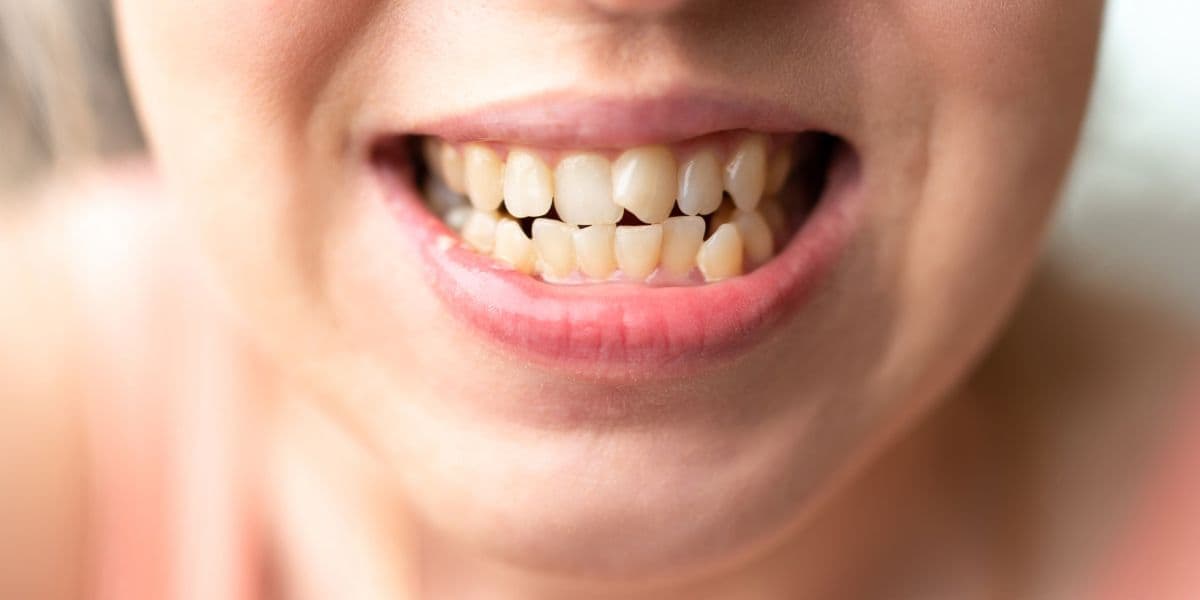
Introduction
Do you wake up with jaw pain, headaches, or notice your teeth appearing worn down? These symptoms often lead people to search online for answers about teeth grinding, medically known as bruxism. Many patients discover they've been unconsciously grinding or clenching their teeth during sleep, potentially causing significant dental damage over time.
Night guards have become an increasingly important protective measure in modern dentistry. These custom-fitted oral appliances create a barrier between upper and lower teeth, preventing direct contact during grinding episodes. Understanding how night guards work, when they may be beneficial, and what to expect from treatment can help you make informed decisions about protecting your dental health.
This article explores the role of night guards in managing teeth grinding, the science behind bruxism, and how these protective devices may help preserve your teeth. We'll examine the different types available, their benefits, and important considerations for anyone experiencing symptoms of nocturnal teeth grinding. Our article on why mouthguards may need consideration during hygiene visits explores this in more detail.
What are night guards and how do they protect teeth from grinding?
Night guards are custom-fitted dental appliances worn during sleep to protect teeth from the damaging effects of bruxism (teeth grinding and clenching). These oral devices create a protective barrier between upper and lower teeth, absorbing grinding forces and preventing direct tooth-to-tooth contact that can cause enamel wear, fractures, and jaw strain.
Understanding Teeth Grinding (Bruxism)
Teeth grinding affects a significant portion of the adult population, with many people unaware they're doing it. Bruxism typically occurs during sleep when conscious control over jaw muscles is reduced. The grinding action can generate forces several times greater than normal chewing pressure, placing considerable stress on teeth, jaw joints, and surrounding muscles. Our article on how weightlifting (holding breath & straining) affects your teeth explores this in more detail.
Several factors may contribute to nocturnal teeth grinding, including stress, anxiety, sleep disorders, certain medications, and lifestyle factors such as caffeine consumption or alcohol use. Sleep-related bruxism often occurs alongside other sleep conditions, making comprehensive assessment important for understanding individual cases.
The unconscious nature of sleep bruxism means many people remain unaware of the habit until dental damage becomes apparent or a sleeping partner notices the grinding sounds. Early recognition and appropriate management may help prevent progressive dental complications.
The Science Behind Dental Damage from Grinding
Tooth enamel, whilst being the hardest substance in the human body, can suffer significant wear when subjected to the repetitive forces generated during bruxism. The grinding action creates friction between opposing tooth surfaces, gradually wearing away enamel and potentially exposing the softer dentine layer beneath.
This process can lead to several dental complications. Teeth may become shortened, develop flat surfaces, or show visible wear patterns along the chewing edges. In severe cases, grinding forces can cause tooth fractures, particularly in teeth with existing fillings or crowns. The constant pressure can also affect the periodontal ligaments that support teeth, potentially leading to increased tooth mobility.
The temporomandibular joints (TMJ), which connect the lower jaw to the skull, also bear the brunt of grinding forces. Overactivity of jaw muscles during bruxism can strain these joints, potentially contributing to TMJ disorders characterised by jaw pain, clicking sounds, or limited mouth opening. Understanding these mechanisms helps explain why protective intervention may be beneficial for individuals experiencing persistent teeth grinding.
Types of Night Guards and Their Benefits
Several types of night guards are available, each designed to address different severities of bruxism and patient needs. Custom-made night guards, created from impressions of your teeth, generally offer a more precise fit and better protection compared to over-the-counter alternatives. These professionally crafted appliances are typically made from durable materials that can withstand significant grinding forces whilst remaining comfortable for nightly wear.
Over-the-counter options include boil-and-bite guards that can be softened in hot water and moulded to your teeth, and ready-to-wear guards in standard sizes. Whilst these may provide some protection, they generally offer less precise fit and comfort compared to custom-made alternatives.
The choice of night guard material also varies, with options including soft, hard, and dual-laminate designs. Soft guards may be more comfortable for mild grinding, whilst harder materials typically provide better protection for severe bruxism. Your dental professional can assess your specific needs and recommend the most appropriate type based on the severity of your grinding, your bite pattern, and comfort preferences. Professional guidance ensures the dental hygiene approach aligns with your individual oral health needs.
When Professional Dental Assessment May Be Needed
Several signs may indicate that professional dental evaluation could be beneficial for suspected teeth grinding. Persistent morning headaches, jaw pain, or facial muscle tenderness may suggest nocturnal bruxism activity. Visible changes to your teeth, such as worn surfaces, chipped edges, or increased sensitivity, warrant dental assessment to determine the extent of any damage and discuss protective measures.
If you experience clicking or popping sounds from your jaw joints, difficulty opening your mouth fully, or if a sleeping partner reports hearing grinding sounds during the night, these symptoms may benefit from professional evaluation. Some individuals also notice increased tooth sensitivity to hot or cold temperatures, which can result from enamel wear caused by grinding.
Sleep disruption, either your own or your partner's, due to grinding sounds represents another reason to seek professional advice. A comprehensive assessment can help determine whether a night guard might be beneficial and ensure any underlying factors contributing to bruxism are appropriately addressed.
Prevention and Oral Health Strategies
Whilst night guards provide physical protection, addressing underlying factors that may contribute to teeth grinding can form part of a comprehensive approach. Stress management techniques such as relaxation exercises, meditation, or regular physical activity may help some individuals reduce grinding episodes, particularly when stress is a contributing factor.
Sleep hygiene practices can also play a role in managing bruxism. Maintaining regular sleep schedules, creating a comfortable sleep environment, and avoiding stimulants like caffeine close to bedtime may contribute to better sleep quality. Some people find that avoiding large meals or alcohol before sleep helps reduce grinding activity.
Regular dental check-ups allow for ongoing monitoring of tooth wear and assessment of night guard effectiveness. During these visits, your dental team can evaluate any changes to your teeth or jaw function and make adjustments to your protective approach as needed. Good oral hygiene practices, including thorough cleaning of your night guard, help maintain both the appliance and your overall oral health.
Key Points to Remember
- Night guards create a protective barrier between teeth during sleep, preventing direct contact and reducing grinding damage
- Custom-fitted guards typically offer better protection and comfort compared to over-the-counter alternatives
- Morning jaw pain, tooth wear, or headaches may indicate teeth grinding that could benefit from professional assessment
- Stress management and good sleep hygiene may complement the protective benefits of night guards
- Regular dental monitoring helps ensure ongoing effectiveness and allows for adjustments as needed
- Professional evaluation can determine the most appropriate type of night guard for individual needs
Frequently Asked Questions
How long do night guards typically last?
Custom-made night guards generally last between 2-10 years depending on the severity of grinding, the material used, and how well they're maintained. Severe grinders may wear through guards more quickly, whilst those with milder bruxism often find their guards last several years. Regular dental check-ups help monitor guard condition and determine when replacement might be needed.
Can I adjust to wearing a night guard if I've never worn one before?
Most people adapt to wearing a night guard within a few nights to a couple of weeks. Initial awareness of the appliance during sleep is normal and typically diminishes as you become accustomed to it. Custom-fitted guards are generally more comfortable and easier to adapt to than over-the-counter options. If persistent discomfort occurs, adjustments can often be made to improve fit and comfort.
Will a night guard stop my teeth grinding completely?
Night guards don't typically stop the grinding action itself but provide crucial protection for your teeth during grinding episodes. The appliance absorbs grinding forces and prevents direct tooth-to-tooth contact that causes damage. Some people report reduced grinding intensity whilst wearing a guard, though individual responses vary. The primary benefit lies in protecting teeth from wear and damage.
How should I care for my night guard?
Clean your night guard daily with cool water and a soft toothbrush, avoiding hot water which can distort the material. Store it in a ventilated case to prevent bacterial growth and protect it from damage. Some people use denture cleaning tablets occasionally for deeper cleaning. Regular inspection for cracks or wear helps ensure continued effectiveness and safety.
Can children use night guards for teeth grinding?
Children can experience teeth grinding, particularly during tooth development phases. However, treatment approaches for children often differ from adult protocols. Growing jaws and changing teeth require special consideration, and many children naturally outgrow grinding habits. Professional evaluation helps determine whether intervention is appropriate and what type might be most suitable for a child's developing dentition.
Are there any side effects from wearing a night guard?
Most people tolerate night guards well with minimal side effects. Some initial jaw stiffness or increased saliva production may occur as you adjust to the appliance. Poorly fitted guards might cause gum irritation or jaw discomfort, emphasising the importance of proper fitting. Regular dental monitoring helps identify and address any issues that may arise during treatment.
Conclusion
Night guards represent an important protective measure for individuals experiencing teeth grinding, offering a practical approach to preventing dental damage whilst addressing the underlying condition. Understanding the role these appliances play in protecting tooth enamel, reducing jaw strain, and preserving long-term oral health can help you make informed decisions about managing bruxism.
The various types of night guards available allow for personalised treatment approaches, with custom-fitted options generally providing optimal protection and comfort. Professional assessment ensures appropriate selection and fitting, whilst regular monitoring helps maintain effectiveness over time.
Prevention strategies, including stress management and good sleep hygiene, may complement the protective benefits of night guards. Early intervention and appropriate management can help preserve your dental health and prevent the progressive damage that untreated teeth grinding may cause.
Dental symptoms and treatment options should always be assessed individually during a clinical examination.
Disclaimer
This article is for general educational purposes only and does not constitute dental advice. Individual symptoms, diagnoses, and treatment options should always be assessed by a qualified dental professional during a clinical examination.