South Kensington Tube.
Introduction
Many new mothers find themselves wondering whether they can safely resume certain cosmetic treatments after giving birth — and teeth whitening while breastfeeding is one of the most frequently searched dental questions among postpartum women in the UK. It is entirely understandable. After months of postponing non-essential treatments during pregnancy, there is a natural desire to feel refreshed and confident once a baby has arrived.
However, breastfeeding introduces a different set of considerations. Questions around what enters the bloodstream, what may transfer into breast milk, and whether certain dental ingredients carry any risk to a nursing infant are all valid concerns that deserve clear, balanced, and clinically responsible answers.
This article aims to explain what is currently understood about teeth whitening products, the active ingredients involved, the current state of clinical guidance in the UK, and what a new mother should consider before booking a whitening appointment. We also explore the importance of seeking an individual assessment from a qualified dental professional, as suitability will always depend on personal clinical circumstances.
Featured Snippet: Is Teeth Whitening Safe While Breastfeeding?
There is currently insufficient clinical evidence to confirm that teeth whitening while breastfeeding is entirely without risk. Most dental professionals in the UK advise a cautious approach, recommending that nursing mothers postpone whitening treatments until after breastfeeding has ended. This is a precautionary recommendation rather than a confirmed danger. Individual assessment by a dentist remains essential.
What Is Teeth Whitening and How Does It Work?
Teeth whitening is a cosmetic dental procedure that lightens the natural shade of the teeth. It is one of the most popular aesthetic dental treatments in the UK and is available in several forms, including professional in-clinic treatments and dentist-supervised take-home kits.
The active ingredient in most professional whitening treatments is hydrogen peroxide or its precursor carbamide peroxide. When applied to the tooth surface, these peroxides break down into oxygen molecules that penetrate the enamel and dentine, targeting pigmented compounds within the tooth structure. This oxidation process lightens the overall colour of the tooth.
In the UK, under the EU Cosmetic Products Regulation (retained in UK law), registered dental professionals are permitted to use whitening products containing up to 6% hydrogen peroxide for in-clinic treatments. Over-the-counter products available to the public are limited to concentrations of 0.1% hydrogen peroxide, which are considerably less effective.
It is important to understand that teeth whitening is a regulated procedure in the UK, and for good reason. The strength of the products involved means they must be used responsibly and with appropriate clinical oversight. This is particularly relevant when considering treatments during sensitive life stages such as breastfeeding.
Why Breastfeeding Mothers Are Advised to Be Cautious
The caution around teeth whitening while breastfeeding stems from a lack of sufficient clinical research rather than confirmed evidence of harm. It is a precautionary stance adopted by most UK dental and healthcare professionals.
Here is why this precaution exists:
Hydrogen Peroxide and Systemic Absorption
When whitening products are applied to the teeth, small amounts of hydrogen peroxide may be absorbed through the soft tissues of the mouth into the bloodstream. The extent of this absorption is considered minimal in a healthy adult, and hydrogen peroxide is naturally produced by the body in small quantities as part of normal metabolic processes. However, because the compound can enter the systemic circulation, there remains a theoretical possibility — however small — that trace amounts could pass into breast milk.
Lack of Safety Data in Breastfeeding Women
Clinical trials assessing the safety of dental whitening products specifically in breastfeeding women are extremely limited. The absence of robust safety data means that dental professionals cannot currently confirm with complete certainty that there is no risk to a nursing infant. In clinical practice, when safety data is absent, the responsible recommendation is caution.
Regulatory and Professional Guidance
Neither the GDC nor major UK dental professional bodies have issued specific guidance explicitly prohibiting teeth whitening during breastfeeding. However, the British Dental Association (BDA) and individual dental professionals broadly align with the precautionary principle applied during pregnancy, which generally advises postponing elective cosmetic dental treatments until breastfeeding has concluded.
What Happens During a Professional Whitening Treatment
Understanding the clinical process may help breastfeeding mothers make a more informed decision in consultation with their dentist.
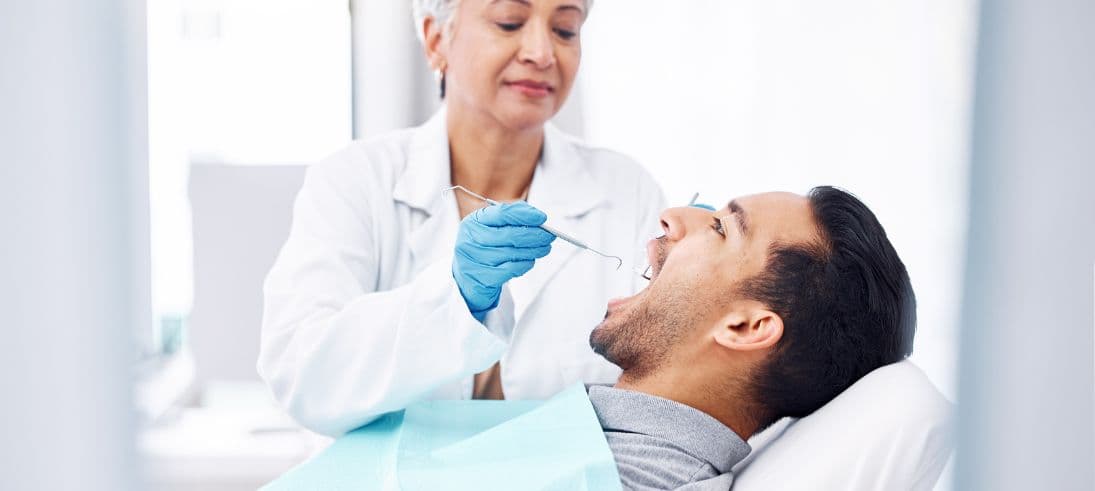
During an in-clinic professional whitening session, a dental professional will first assess the health of the teeth and gums to confirm suitability for treatment. A barrier is applied to protect the gum tissue, and then the whitening gel — containing hydrogen peroxide — is placed directly onto the tooth surfaces. Depending on the system used, a light source may be applied to activate the gel. The process typically involves several application cycles during a single appointment.
For take-home whitening kits provided by a dentist, custom-fitted trays are created and a lower-concentration whitening gel is supplied. The patient applies the trays for a specified time each day over a period of several weeks.
In both cases, the dental professional should conduct a full assessment prior to treatment. During this assessment, a breastfeeding mother should inform her dentist of her current circumstances so that a fully informed clinical discussion can take place. A responsible dental professional will always factor this information into their recommendation.
If you are interested in understanding more about professional cosmetic treatments available at our clinic, you may find it helpful to explore our professional teeth whitening treatment page as a starting point for your dental health journey.
The Science Behind Whitening Agents and Breast Milk Transfer
This section explores the dental science behind the concern in a little more depth, in accessible language.
Hydrogen peroxide is a reactive oxygen species. When it contacts biological tissue, it is broken down rapidly into water and oxygen by enzymes naturally present in the body. This rapid breakdown means that even if trace amounts are absorbed into the bloodstream following dental whitening, the body quickly neutralises the compound before it can accumulate.
Carbamide peroxide, frequently used in take-home kits, breaks down into hydrogen peroxide and urea. Urea is a naturally occurring substance found in the body and is not considered harmful at the concentrations involved in dental treatments.
In theory, the likelihood of meaningful quantities of these compounds passing into breast milk is considered very low based on what is understood about their rapid metabolism. However, "very low" is not the same as "zero," and in the absence of specific clinical studies conducted on breastfeeding populations, dental professionals are unable to provide absolute reassurance.
The precautionary approach, therefore, is not based on evidence that whitening is harmful during breastfeeding. It is based on the ethical principle that when evidence is absent, the protection of both mother and infant should take priority.
Safer Alternatives to Consider During Breastfeeding
If you are keen to maintain or improve the appearance of your smile during the breastfeeding period, there are several safe, non-chemical options to consider that will not raise any concerns:
- Professional dental hygiene appointments: A professional scale and polish can remove surface staining caused by tea, coffee, or food, revealing the natural colour of the teeth without any chemical whitening agents. This is a safe, effective, and clinically appropriate option for breastfeeding mothers.
- Good oral hygiene at home: Regular brushing twice daily with a fluoride toothpaste and flossing can help prevent new staining from developing.
- Dietary adjustments: Reducing consumption of highly pigmented foods and drinks (such as coffee, red wine, and certain berries) can help manage surface staining naturally.
- Whitening toothpastes: Some whitening toothpastes use mild abrasives rather than peroxide to remove surface staining. These are generally considered low-risk, though it is always sensible to check with your dentist or GP if you are uncertain.
Our professional teeth cleaning appointments are an excellent way to maintain a healthy, clean, and bright smile safely throughout the breastfeeding period without the need for chemical whitening agents.
When Professional Dental Assessment May Be Appropriate
Whether or not you are considering teeth whitening, there are certain dental circumstances during which seeking professional assessment is always advisable. This is particularly relevant for new mothers, whose oral health can sometimes be affected by the hormonal and nutritional changes associated with pregnancy and breastfeeding.
You may wish to book a dental assessment if you are experiencing any of the following:
- Increased tooth sensitivity — particularly to hot, cold, or sweet stimuli, which can sometimes develop or worsen during and after pregnancy
- Gum tenderness, swelling, or bleeding — hormonal changes during pregnancy can increase susceptibility to gum inflammation, and this may continue postpartum
- Tooth discolouration or staining that is causing you concern
- Dry mouth, which can increase the risk of tooth decay if left unmanaged
- Any toothache or discomfort that you have been deferring since pregnancy
These symptoms do not necessarily indicate a serious problem, but they are worth discussing with a qualified dental professional at your earliest convenience. A dental hygienist can also provide preventative care and personalised oral health advice tailored to your current circumstances.
If you are unsure whether occasional bleeding is expected or needs treatment, this guide on bleeding gums when brushing provides helpful context before your appointment.
Meet Our Dental Hygienist Team
If you would like to learn more about our clinical team and the care we provide, please watch the short video below introducing one of our dental hygienists at our South Kensington clinic:
What to Tell Your Dentist Before a Whitening Appointment
If you are considering booking a whitening treatment and are currently breastfeeding, it is essential that you disclose this information to your dentist before the appointment takes place. A responsible dental professional will:
- Take a full medical history that includes your breastfeeding status
- Discuss the current evidence and the precautionary position
- Explain the options available to you
- Advise you on whether to proceed, defer, or consider alternatives
- Never pressure you into a cosmetic treatment you are uncertain about
You should feel comfortable asking questions and raising concerns during your consultation. Dental appointments should be collaborative, and your individual health circumstances — including breastfeeding — are highly relevant clinical information.
If your dentist does not ask about your breastfeeding status or dismisses your concerns without discussion, it is entirely reasonable to seek a second opinion.
Oral Health and Breastfeeding: What New Mothers Should Know
The period of breastfeeding is an important time to maintain good oral health for the mother's own wellbeing. Here are some key points new mothers may find helpful:
Calcium and bone density: Breastfeeding can temporarily affect calcium stores in the body. While the teeth themselves are not typically at direct risk, maintaining a balanced diet with adequate calcium and vitamin D supports overall dental and skeletal health.
Hormonal changes and gum health: The hormonal shifts that occur postpartum may contribute to changes in gum sensitivity or inflammation. Regular dental hygiene appointments can help manage this effectively.
Morning sickness residue: If you experienced morning sickness during pregnancy, tooth enamel may have been exposed to stomach acid. Your dentist or hygienist can assess enamel condition and recommend protective measures.
Dry mouth: Some breastfeeding mothers report a degree of dry mouth, which can slightly increase the risk of tooth decay. Drinking plenty of water and maintaining good oral hygiene is particularly important.
Maintaining regular dental hygiene visits is one of the most beneficial things you can do for your oral health during and after breastfeeding. You can explore our routine continuing dental care services to find out how we support patients at every life stage.
Prevention and Ongoing Oral Health Advice
Regardless of your decision about teeth whitening, the following preventative measures are recommended for all adults — and are particularly relevant during the postpartum period:
- Brush twice daily with a fluoride toothpaste (at least 1,350 ppm fluoride is recommended for adults)
- Clean between your teeth daily using floss, interdental brushes, or a water flosser
- Limit acidic and sugary foods and drinks, particularly between meals
- Stay hydrated with water throughout the day
- Attend regular dental hygiene appointments — at least once or twice a year, or more frequently if recommended by your dental team
- Avoid tobacco products, which can cause significant staining and increase the risk of gum disease and oral cancer
- Discuss any medications or supplements you are taking with your dentist, as some can affect oral health
These steps will help protect your teeth and gums, maintain the natural brightness of your smile, and reduce the likelihood of needing more intensive cosmetic or restorative treatment in the future.
Key Points to Remember
- Teeth whitening while breastfeeding is not confirmed as harmful, but current clinical guidance recommends a cautious, precautionary approach due to a lack of robust safety data
- The active ingredient in most whitening treatments — hydrogen peroxide — is broken down rapidly in the body, but trace absorption into breast milk cannot be entirely ruled out without specific clinical evidence
- Most UK dental professionals advise postponing elective whitening treatments until after breastfeeding has concluded
- Safer alternatives — such as a professional scale and polish — can help manage surface staining safely during the breastfeeding period
- Always disclose your breastfeeding status to your dentist before any cosmetic dental treatment
- Oral health can be affected by hormonal and nutritional changes during the postpartum period; regular dental hygiene appointments are beneficial
- Individual suitability for any dental treatment must always be assessed during a clinical examination
Frequently Asked Questions
Can I use over-the-counter whitening products while breastfeeding?
Over-the-counter whitening products available in the UK contain a maximum of 0.1% hydrogen peroxide, which is considerably lower than professional-strength products. While this reduces potential exposure, the same precautionary advice generally applies. There is insufficient evidence to confirm these products are completely without risk during breastfeeding. It is advisable to discuss this with your dentist or GP before using any whitening product while nursing, so that you can make a fully informed decision based on your individual circumstances.
How long should I wait after breastfeeding before whitening my teeth?
There is no fixed clinical guideline specifying an exact waiting period after breastfeeding ends before teeth whitening can be safely undertaken. Once breastfeeding has fully concluded, the precautionary concerns related to breast milk transfer no longer apply. At that point, your dentist can conduct a full clinical assessment to determine whether whitening is appropriate for you, taking into account the condition of your teeth, enamel health, and any sensitivity you may be experiencing.
Does pregnancy or breastfeeding cause teeth to become more discoloured?
Teeth discolouration during or after pregnancy can occur for several reasons. Morning sickness exposes tooth enamel to stomach acid, which can cause surface changes. Dietary changes, reduced dental care routines during pregnancy, and hormonal influences on gum health can all indirectly affect the appearance of the teeth. However, many cases of apparent discolouration are surface staining rather than intrinsic changes to the tooth, and a professional scale and polish may address much of this safely.
Is a scale and polish safe while breastfeeding?
Yes. A professional scale and polish is a routine preventative dental treatment that removes plaque, tartar, and surface staining using mechanical instruments and, sometimes, a mild polishing paste. It does not involve the use of bleaching agents or chemicals that raise concerns during breastfeeding. It is considered a safe and clinically appropriate treatment for breastfeeding mothers and is often recommended as an alternative to whitening during this period.
What should I do if I had a whitening treatment before I knew I was breastfeeding?
If you received a whitening treatment without realising you were pregnant or while in the early stages of breastfeeding, try not to be alarmed. The likelihood of meaningful harm is considered very low based on current understanding of how hydrogen peroxide is metabolised. However, it is sensible to mention this to your midwife, health visitor, or GP so that they are aware and can provide further reassurance or guidance if needed. Inform your dentist as well so that your dental records reflect your circumstances.
Will teeth whitening affect my baby if I am bottle-feeding with expressed milk?
If you are expressing breast milk and bottle-feeding, the same theoretical considerations around trace substances passing into breast milk would apply. The advice to exercise caution and consult a dental professional before proceeding with whitening remains relevant in this situation. If you are planning to express milk and bottle-feed your baby using stored milk, discussing your whitening plans with both your dentist and GP or health visitor is advisable.
Conclusion
The question of whether teeth whitening while breastfeeding is safe is one that deserves a thoughtful, evidence-informed answer. Based on current clinical understanding, the active ingredients used in whitening treatments — primarily hydrogen peroxide — are metabolised rapidly within the body, and the likelihood of meaningful transfer into breast milk is considered low. However, because specific clinical studies on breastfeeding populations are limited, most UK dental professionals adopt a precautionary stance and recommend postponing elective whitening treatments until breastfeeding has concluded.
This is not a cause for concern, but rather a responsible reflection of the current state of evidence. There are safe and effective alternatives — such as professional scale and polish appointments — that can help you maintain a clean and healthy smile throughout the breastfeeding period without raising any clinical concerns.
If you are considering teeth whitening and are currently breastfeeding, the most important step you can take is to have an honest and open conversation with your dentist. Share your circumstances, ask your questions, and allow a qualified professional to guide you based on your individual oral health needs.
When you are ready for a personalised discussion, you can book an appointment with the clinical team.
Dental symptoms and treatment options should always be assessed individually during a clinical examination.
Disclaimer
This article is for general educational purposes only and does not constitute dental advice. Individual symptoms, diagnoses, and treatment options should always be assessed by a qualified dental professional during a clinical examination.