

 South Kensington Tube.
Introduction
Many people use toothpaste twice daily without giving its ingredients a second thought. Yet in recent years, a growing number of patients and health-conscious individuals have begun searching online for information about microplastics in toothpaste and what they might mean for long-term health. It is a completely understandable concern — and one that deserves a clear, balanced explanation.
Microplastics are tiny plastic particles, typically less than five millimetres in diameter, that have been used in a range of personal care products, including certain toothpastes, primarily as abrasives or texture agents. As scientific research into microplastics has expanded globally, questions have naturally arisen about whether regular oral exposure to these particles carries any meaningful risk to human health.
This article explores what the emerging research suggests, what is currently known about oral and systemic exposure, and how dental professionals can help you make informed choices about the products you use. If you have specific concerns about the products you are using, speaking with a qualified dental hygienist can be a sensible first step.
Featured Snippet: What Are Microplastics in Toothpaste and Do They Affect Health?
Microplastics in toothpaste are tiny plastic particles — often polyethylene microbeads — historically added as mild abrasives or texture agents. Emerging research suggests that regular oral exposure may result in low-level ingestion of these particles. While definitive conclusions on long-term health effects remain under scientific investigation, current guidance recommends choosing toothpastes free from microbeads as a precautionary measure.
What Are Microplastics and Why Were They Added to Toothpaste?
Microplastics are small fragments of plastic material, defined as particles under five millimetres in size. In personal care products such as toothpaste, the most commonly used microplastics have historically been polyethylene microbeads — tiny spherical particles that manufacturers added to provide a mild scrubbing or polishing effect, or to improve the texture and appearance of the product.
In the United Kingdom, the use of plastic microbeads in rinse-off cosmetic and personal care products — including toothpaste — was banned in January 2018 under regulations introduced by the UK government. This was a significant step forward in reducing unnecessary plastic exposure. However, the global picture is more complex, as regulations vary considerably between countries, and some imported products may still contain microbeads.
Beyond intentionally added microbeads, research has also identified that microplastic contamination can occur during manufacturing processes or through the breakdown of plastic packaging. This means that the conversation around microplastics in oral care products is somewhat broader than microbeads alone, and it continues to evolve as scientific methods for detecting and measuring microplastic particles improve. Patients exploring broader ingredient safety may also find this guide on nanomaterials in whitening products useful context.
Understanding the origin of microplastics in toothpaste is an important starting point before examining what the research says about their potential effects.
What Does Emerging Research Say About Oral Exposure to Microplastics?
The scientific study of microplastics in the human body is a relatively new and rapidly developing field. Research published over the past several years has confirmed that microplastic particles can be detected in various human tissues, including the lungs, bloodstream, and digestive tract. Studies have also identified microplastic particles in human saliva and oral tissues, raising questions about the role that oral care products may play in contributing to this exposure.
A study published in the journal Environmental Science & Technology identified microplastic particles in human saliva samples, though it noted that the precise sources were difficult to isolate. Oral care products were considered one of several potential contributors alongside food, drink, and environmental inhalation.
Animal-based laboratory studies have examined the potential inflammatory and cellular effects of microplastic exposure, with some findings suggesting that high-concentration exposure may influence immune responses and tissue integrity. However, it is important to contextualise these findings — the concentrations used in laboratory conditions often differ significantly from real-world human exposure levels, and direct extrapolation to everyday toothpaste use requires considerable caution.
At this stage, there is no established clinical consensus that the levels of microplastic exposure from toothpaste use cause direct, measurable harm to human health. The research is ongoing, and regulatory bodies in the UK and internationally continue to monitor developments closely.
How Might Microplastics Interact with Oral Tissues?
To understand the potential significance of microplastics in toothpaste, it helps to consider the unique biology of the oral environment. The mouth contains a complex ecosystem of soft tissues, hard tooth structures, and a rich mucosal lining that is in constant contact with everything we eat, drink, and use to clean our teeth.
The oral mucosa — the soft tissue lining the mouth — is highly permeable in certain areas, meaning that particles and chemical compounds can, under some circumstances, cross into the bloodstream via what is known as buccal absorption. This is the same principle used in some medical treatments where medicines are designed to be absorbed through the cheek lining. Whether microplastic particles of varying sizes are absorbed through oral mucosal tissue is a question that researchers are actively exploring.
The gum tissue, particularly in individuals with pre-existing gum disease or enamel erosion, may present additional considerations. Damaged or inflamed tissue is generally more permeable than healthy tissue, which has led some researchers to hypothesise that individuals with periodontal conditions might warrant particular attention in future microplastics research. However, it must be emphasised that this remains an area of scientific enquiry, not an established clinical conclusion.
Understanding gum health and its relationship to systemic wellbeing is a well-established area of dental science, and it provides useful context for thinking about how the oral environment interacts with external substances.
The Regulatory Landscape: What Has the UK Done?
The United Kingdom has been relatively proactive in addressing the issue of microbeads in personal care products. The 2018 microbead ban, introduced under the Environmental Protection (Microbeads) (England) Regulations 2017, prohibits the manufacture and sale of rinse-off personal care products — including toothpaste — that contain plastic microbeads. Scotland, Wales, and Northern Ireland introduced equivalent regulations.
The Medicines and Healthcare products Regulatory Agency (MHRA) and the Office for Product Safety and Standards (OPSS) oversee compliance with these regulations. Consumers purchasing toothpaste from UK-regulated retailers can therefore have reasonable confidence that products sold domestically comply with microbead restrictions.
However, the regulatory picture becomes more nuanced when considering:
- Imported products purchased online from international retailers, which may not comply with UK regulations.
- Residual microplastic contamination from manufacturing processes, which is not covered by the microbead ban and remains under wider environmental research.
- Nano-plastics, which are particles smaller than one micrometre, and which fall outside some current regulatory definitions of microplastics.
As research advances, it is likely that UK and international regulators will continue to refine guidance. Patients who are concerned about their toothpaste ingredients are encouraged to check the ingredient list for terms such as polyethylene (PE), polypropylene (PP), or polyethylene terephthalate (PET) — all indicators of plastic content.
Choosing Toothpaste Wisely: What Patients Can Do
While the long-term health implications of microplastics in toothpaste continue to be studied, there are several practical and evidence-informed steps that patients can take to make thoughtful choices about their oral care products.
Read the ingredient label. Look for toothpaste formulations that do not contain polyethylene or polypropylene listed in the ingredients. Many mainstream brands reformulated their products following the UK microbead ban, and there are now numerous options that use natural abrasive alternatives such as silica, calcium carbonate, or hydroxyapatite.
Choose products approved by recognised bodies. Toothpastes carrying the British Dental Association (BDA) Accreditation mark have been evaluated for safety and efficacy. This is a useful indicator when selecting a product.
Be cautious with imported products. If purchasing oral care products from international online marketplaces, be aware that products may not comply with UK regulations regarding microplastics.
Prioritise fluoride content. Regardless of the microplastics question, fluoride remains the most evidence-supported active ingredient for preventing tooth decay. Ensure any toothpaste you choose contains an appropriate fluoride concentration — typically 1,000–1,450 ppm for adults, as recommended by UK clinical guidance. If you are concerned about balance and exposure over time, read our article on fluoride overexposure and fluorosis in adults.
Ask your dental hygienist for advice. A professional dental hygiene appointment is an excellent opportunity to discuss any concerns about your oral care routine, including the products you are using.
When to Seek Professional Dental Assessment
In the context of microplastics and oral health, most patients will not experience symptoms that directly point to microplastic exposure — the current research does not identify a clear clinical presentation linked specifically to toothpaste-related microplastics. However, there are several situations in which seeking professional dental assessment may be advisable.
If you notice changes in your gum tissue, such as redness, tenderness, swelling, or bleeding during brushing, these symptoms may indicate gum inflammation or early gum disease and should be assessed by a dental professional regardless of their cause.
If you experience unusual sensitivity, persistent tooth sensitivity to temperature, pressure, or sweet foods may suggest enamel changes or dentine exposure that warrants clinical evaluation.
If you are concerned about the products you are using, a dental hygienist or dentist can review your oral care routine and recommend clinically appropriate alternatives that align with current evidence and your individual oral health needs.
If you have pre-existing oral health conditions, patients with active gum disease, enamel erosion, or a history of oral mucosal conditions may particularly benefit from discussing their oral care products with a clinician who can tailor recommendations to their specific circumstances.
It is worth emphasising that changes in oral health are best assessed through a thorough clinical examination. No online resource — including this article — can replicate the value of a professional, in-person evaluation.
The Role of Dental Hygienists in Supporting Informed Patient Choices
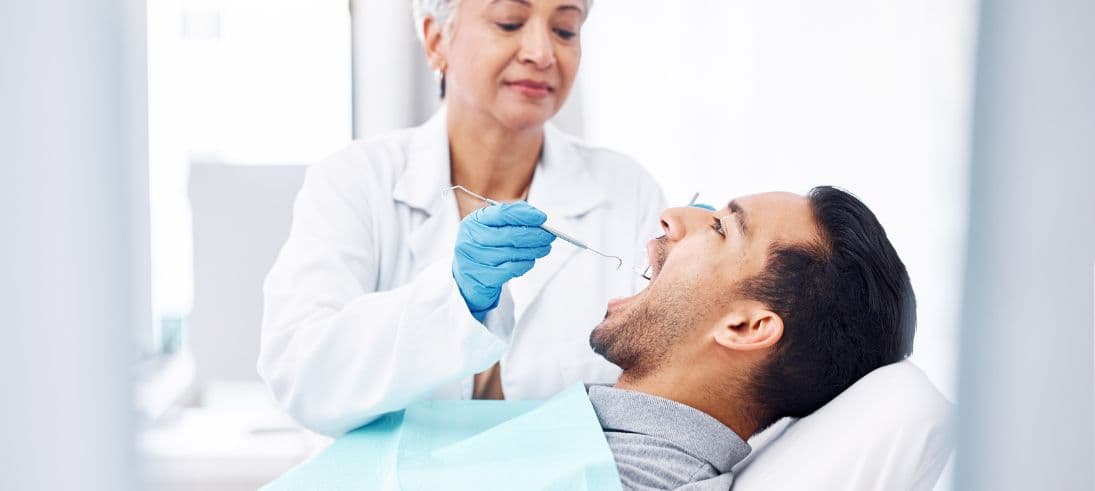
Dental hygienists are uniquely positioned to support patients in navigating questions about oral care products, emerging research, and preventative dental health. As regulated dental professionals registered with the General Dental Council, hygienists are trained to provide evidence-based guidance, conduct thorough oral health assessments, and educate patients on the products and techniques most appropriate for their individual needs.
In the context of microplastics, a dental hygienist can:
- Review your current toothpaste and oral care product selection.
- Identify any signs of gum inflammation, enamel changes, or mucosal concerns during a clinical examination.
- Recommend alternative products based on your specific oral health profile.
- Provide personalised oral hygiene instruction that maximises the effectiveness of your daily routine.
Preventative dental care — the core of what dental hygienists do — is fundamentally about reducing risk, maintaining health, and empowering patients to make informed decisions. The question of microplastics in toothpaste fits naturally within this preventative framework.
Watch the video below to learn more about what a dental hygienist does and how professional preventative care supports your long-term oral health:
Prevention and Maintaining Oral Health in Light of Emerging Research
One of the most important messages from the broader microplastics conversation is that it serves as a timely reminder to be thoughtful consumers of oral care products. Good oral hygiene does not require complex formulations — and there are well-evidenced, effective choices available that avoid unnecessary ingredients.
The following practical advice supports strong oral health while reflecting current evidence:
- Brush twice daily with a fluoride toothpaste (1,000–1,450 ppm fluoride for adults) for at least two minutes each session.
- Spit, do not rinse after brushing, to allow fluoride to continue working on tooth surfaces.
- Clean interdentally using floss, interdental brushes, or water flossers to remove plaque from between teeth where a toothbrush cannot reach.
- Attend regular dental hygiene appointments — the recommended frequency varies by individual risk profile, but routine professional cleaning and assessment are cornerstones of preventative care.
- Choose toothpaste carefully by reading ingredient labels, selecting BDA-accredited products where possible, and discussing any concerns with your dental team.
- Stay informed without anxiety — emerging research is part of an ongoing scientific conversation, and current evidence does not indicate that toothpaste used in compliance with UK regulations poses a demonstrated risk. Remaining informed is valuable; however, concern should be proportionate to the evidence.
Maintaining a consistent, evidence-based oral hygiene routine remains the single most impactful thing most patients can do for their long-term dental health. If you would like to explore professional teeth cleaning and personalised oral health advice, a dental hygiene appointment is an excellent starting point.
Key Points to Remember
- Microplastics are tiny plastic particles that were historically added to some toothpastes as abrasives or texture agents, known as microbeads.
- The UK banned plastic microbeads in rinse-off personal care products, including toothpaste, in 2018 — UK-regulated toothpastes should not contain intentionally added microbeads.
- Emerging scientific research is investigating the potential effects of microplastic exposure on human health, but no definitive clinical conclusions have been established regarding everyday toothpaste use.
- Patients can take practical steps to make informed product choices, including reading ingredient labels, selecting BDA-accredited toothpastes, and seeking guidance from a dental hygienist.
- Fluoride remains the most evidence-supported active ingredient for preventing tooth decay, and choosing a fluoride toothpaste should remain a priority.
- Regular dental hygiene appointments provide an opportunity to discuss oral care product choices and receive personalised, evidence-based guidance.
Frequently Asked Questions
Is microplastic-containing toothpaste still sold in the UK?
Since January 2018, UK regulations have prohibited the manufacture and sale of rinse-off personal care products containing plastic microbeads, which includes toothpaste. Products sold through regulated UK retailers should therefore comply with this ban. However, some imported products — particularly those purchased through international online marketplaces — may not comply with UK regulations. If you are uncertain about a product, checking the ingredient list for terms such as polyethylene or polypropylene can help identify the presence of plastic particles. Your dental hygienist can also advise on suitable, compliant product choices.
Can microplastics in toothpaste cause damage to teeth or gums?
Current research has not established a clear, direct link between microplastics in toothpaste used at typical consumer levels and specific damage to teeth or gum tissue. Some laboratory studies have examined potential effects of microplastics on soft tissue cells, but these conditions often differ considerably from real-world exposure. If you notice any changes to your gum tissue — such as bleeding, swelling, or persistent soreness — it is advisable to seek a professional dental assessment, as these symptoms may indicate other oral health concerns that warrant clinical attention.
What ingredients should I look for to avoid microplastics in toothpaste?
When reading a toothpaste ingredient label, watch for the following terms that may indicate the presence of plastic particles: polyethylene (PE), polypropylene (PP), polyethylene terephthalate (PET), polymethyl methacrylate (PMMA), and nylon. These are all synthetic polymers that fall within the definition of microplastics. Natural alternatives used as mild abrasives in toothpaste include hydrated silica, calcium carbonate, and hydroxyapatite. Selecting a toothpaste bearing the British Dental Association Accreditation mark is a practical way to ensure both safety and clinical efficacy.
Should I change my toothpaste immediately if I am concerned about microplastics?
If you currently use a UK-purchased, mainstream toothpaste, the likelihood is that it already complies with the 2018 microbead ban and does not contain intentionally added plastic microbeads. There is no need for urgent action based on the current state of research. That said, if you feel more comfortable making a change for precautionary reasons, you can do so by selecting a product free from synthetic polymer ingredients. It is sensible to discuss any concerns about your oral care routine during your next dental hygiene appointment rather than making changes based on anxiety alone.
Are natural or 'eco-friendly' toothpastes necessarily safer from microplastics?
Not necessarily. While many natural or eco-conscious toothpaste brands have positioned themselves as microbead-free, the term 'natural' is not a regulated claim in UK cosmetics law in the same way that safety and efficacy standards are. It remains important to check the ingredient list regardless of how a product is marketed. Additionally, some natural toothpaste formulations contain very low or no fluoride, which may reduce their effectiveness at preventing tooth decay. Ensure that your chosen toothpaste contains an appropriate fluoride concentration, and if in doubt, ask your dental hygienist for a recommendation tailored to your oral health profile.
Is there any evidence that microplastics affect children's oral health differently?
Specific research focusing on children and microplastics in toothpaste remains limited. However, children typically use smaller quantities of toothpaste and are advised not to swallow it, which is relevant when considering potential ingestion exposure. UK clinical guidance already recommends age-appropriate fluoride concentrations for children's toothpaste, and parents are advised to supervise brushing in young children. If you have concerns about the products used by children in your household, discussing these with your dental team or a paediatric dental professional is the most appropriate course of action.
Conclusion
The question of how microplastics in toothpaste might affect long-term health is one that sits at the intersection of environmental science, toxicology, and dental medicine. While the UK has taken meaningful regulatory steps through the 2018 microbead ban, and while everyday exposure through compliant toothpaste products is not currently considered to pose a demonstrated clinical risk, the scientific conversation is still evolving.
As a patient, the most empowering approach is to stay informed, make thoughtful product choices, and maintain the preventative oral health habits that form the foundation of long-term dental wellbeing. Choosing a fluoride toothpaste that complies with UK regulations, attending regular dental hygiene appointments, and discussing any specific concerns with your dental professional are all practical and proportionate steps.
Microplastics in toothpaste remind us that our daily habits matter — not just for our teeth, but for our wider health. The emerging research in this area will continue to develop, and dental professionals will continue to translate that science into guidance that supports patient wellbeing.
Dental symptoms and treatment options should be assessed individually during a clinical examination.
Disclaimer
This article is for general educational purposes only and does not constitute dental advice. Individual symptoms, diagnoses, and treatment options should always be assessed by a qualified dental professional during a clinical examination.