South Kensington Tube.
Introduction
Many people delay visiting the dentist until they experience noticeable discomfort — a persistent ache, bleeding gums, or sensitivity that will not go away. It is one of the most common patterns dental professionals encounter, and it is entirely understandable. Life is busy, and when there are no obvious symptoms, it can feel unnecessary to book an appointment. This is often why adults across London turn to online searches, looking for reassurance about symptoms they have been quietly noticing for weeks or even months.
Yet early oral disease detection can be a highly effective way to help protect both your long-term health and your finances. Conditions such as gum disease, tooth decay, and oral infections frequently develop gradually, often without significant pain in their initial stages. By the time symptoms become hard to ignore, the condition may have progressed to a point where more complex — and more costly — treatment is required.
This article explores why catching oral health problems early matters, what signs to be aware of, how disease progresses when left unaddressed, and practical steps you can take to stay ahead of potential issues. Understanding this topic can help you make more informed decisions about your dental care.
Why Does Early Oral Disease Detection Matter?
Early oral disease detection refers to the identification of dental and oral health conditions — such as gum disease, decay, or oral lesions — at their earliest stages, before they progress or cause significant damage. Detecting problems early typically allows for simpler, less invasive treatment options, helps preserve natural tooth structure, and may reduce long-term dental costs. Regular dental and hygiene appointments play a central role in supporting early identification of oral health concerns.
How Oral Diseases Develop: The Underlying Science
Understanding how oral diseases develop can help explain why early detection is so valuable. The mouth is home to hundreds of species of bacteria, many of which are harmless or even beneficial. However, when oral hygiene is inconsistent, harmful bacteria can accumulate in a sticky film known as dental plaque.
If plaque is not removed effectively through regular brushing and interdental cleaning, it hardens into calculus (tartar), which cannot be removed at home. The bacteria within plaque and calculus produce acids that attack tooth enamel — the hard, protective outer layer of the tooth. Over time, this acid exposure creates areas of demineralisation, which may eventually develop into cavities.
Similarly, when plaque accumulates along and below the gumline, it triggers an inflammatory response. This early stage, known as gingivitis, causes the gums to become red, swollen, and prone to bleeding. Gingivitis is generally reversible with professional cleaning and improved oral hygiene. However, if left unaddressed, it can progress to periodontitis — a more serious condition where the supporting bone and tissues around the teeth begin to break down. This can ultimately lead to tooth mobility and tooth loss.
The key point is that these processes are gradual. There is often a window of opportunity where intervention can halt or reverse the damage, but that window narrows as the disease advances.
Common Signs and Symptoms Worth Noting
One of the challenges with oral diseases is that they can develop with minimal symptoms in their early stages. Many people are surprised to learn that significant decay or gum disease may be present without causing obvious pain. However, there are a number of signs that may indicate something is developing:
- Bleeding gums when brushing or flossing, even if it seems minor
- Persistent bad breath that does not improve with regular oral hygiene
- Red, swollen, or tender gums around certain teeth
- Increased tooth sensitivity to hot, cold, or sweet foods and drinks
- A change in how teeth fit together when biting
- Receding gums, where teeth appear longer than before
- Visible discolouration or dark spots on the tooth surface
- A persistent unpleasant taste in the mouth
None of these signs automatically indicate a serious condition, but they may suggest that a professional assessment would be worthwhile. Identifying these changes early allows a dental professional to evaluate the situation and discuss appropriate options before the problem has a chance to progress further.
The Financial Impact of Delayed Dental Care
It is natural to consider cost when thinking about dental visits, particularly for private dental care. However, the financial case for early oral disease detection is quite compelling.
A small area of early decay, identified at a routine examination, may only require a straightforward filling. The same area of decay, left undetected for another year or two, could progress to involve the nerve of the tooth, potentially requiring root canal treatment and a crown — a significantly more involved and costly process. In the most advanced cases, the tooth may not be salvageable, leading to extraction and possible replacement options such as dental implants or bridges.
The same principle applies to gum disease. Early-stage gingivitis can often be managed with a course of professional hygiene appointments and tailored home care advice. Advanced periodontitis, however, may require multiple specialist treatment sessions over an extended period.
Investing in regular preventative care — examinations, professional cleaning, and early intervention — is generally far more cost-effective than managing advanced disease. Prevention-oriented dental care tends to be more comfortable for patients as well, involving less invasive procedures and shorter appointment times.
The Wider Health Connection
The importance of early oral disease detection extends beyond the mouth. A growing body of research has explored potential links between oral health — particularly periodontal (gum) disease — and broader systemic health conditions. While the nature of these associations continues to be studied, research has suggested possible connections between advanced gum disease and:
- Cardiovascular conditions
- Diabetes management
- Respiratory health
- Adverse pregnancy outcomes
The proposed mechanisms often relate to chronic oral inflammation and the potential for oral bacteria to enter the bloodstream. While it would be inaccurate to state that gum disease directly causes these conditions, maintaining good oral health is increasingly recognised as an important component of overall wellbeing.
This is another reason why identifying and managing oral conditions at an early stage may have benefits that reach further than many patients initially realise. A healthy mouth supports a healthier body, and regular dental assessments are a practical step towards that goal.
What Happens During a Routine Dental Assessment
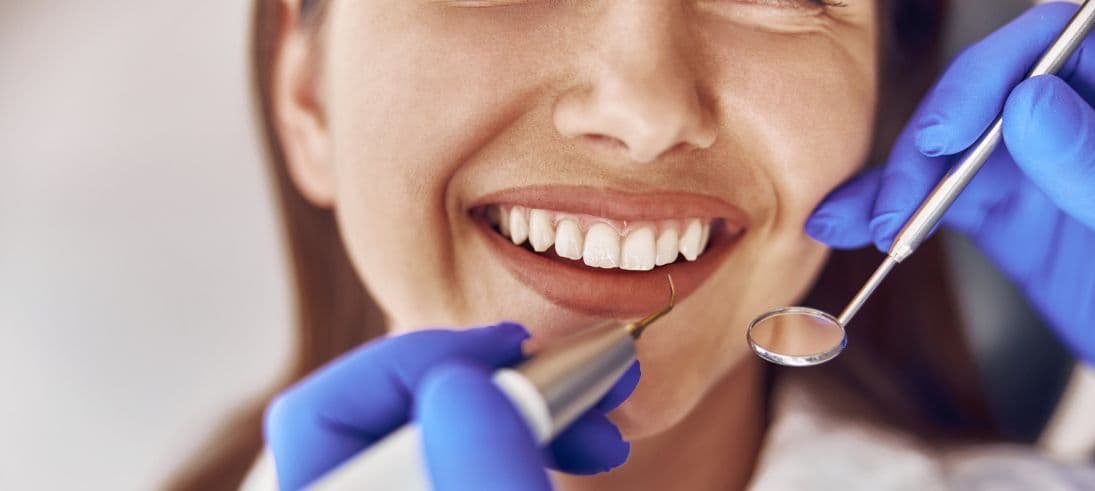
For those who have not visited a dentist recently, it can be helpful to understand what a routine assessment typically involves. Knowing what to expect can make the experience feel less daunting.
A standard dental examination usually includes:
- A visual inspection of the teeth, gums, tongue, and soft tissues of the mouth
- An assessment of gum health, often using a periodontal probe to measure the depth of gum pockets around each tooth
- A check for signs of tooth decay, wear, erosion, or damage
- An evaluation of any existing dental restorations such as fillings or crowns
- Screening for any unusual lesions or changes in the oral tissues
- Dental radiographs (X-rays) where clinically indicated, to identify problems not visible to the naked eye
This process is designed to detect issues at the earliest possible stage. Many conditions identified during routine examinations are entirely manageable when caught early, and patients are often reassured to learn that their concerns can be addressed straightforwardly.
A dental hygiene visit also plays a vital role, focusing on the removal of plaque and calculus, assessing gum health, and providing personalised oral hygiene guidance.
When Professional Dental Assessment May Be Needed
While routine visits are the foundation of early detection, there are specific situations where seeking a dental assessment sooner rather than later may be particularly appropriate:
- Persistent or worsening tooth pain that does not resolve on its own
- Gums that bleed regularly, particularly during brushing or eating
- Swelling in the gums, face, or jaw
- Sensitivity that has gradually increased over recent weeks
- A tooth that feels loose or has changed position
- A sore or ulcer in the mouth that has not healed within two to three weeks
- Difficulty chewing or opening the mouth comfortably
These symptoms do not necessarily indicate a serious problem, but they do suggest that a professional evaluation would be helpful. A dental professional can carry out an appropriate examination, discuss findings clearly, and outline any recommended next steps based on your individual circumstances.
It is always better to seek advice and receive reassurance than to wait and allow a manageable condition to become more complex.
Prevention and Oral Health Advice
Early detection works best when it is paired with consistent preventative habits. While professional assessments are essential, much of the groundwork for good oral health takes place at home, every day.
Here are some practical steps that can help reduce the risk of oral disease:
- Brush twice daily using a fluoride toothpaste and a soft-bristled or electric toothbrush. Spend at least two minutes each time, ensuring all tooth surfaces are covered.
- Clean between your teeth daily using interdental brushes or floss. This removes plaque from areas that a toothbrush cannot reach effectively.
- Limit sugary foods and acidic drinks, particularly between meals. Frequent sugar exposure increases the risk of decay.
- Avoid smoking and tobacco use, which significantly increases the risk of gum disease and oral health complications.
- Stay hydrated — a dry mouth can increase the risk of decay and gum problems.
- Attend regular dental and hygiene appointments at intervals recommended by your dental professional.
- Replace your toothbrush or brush head every three months, or sooner if the bristles become worn.
These are straightforward habits, but they make a meaningful difference over time. Your dental hygienist can provide tailored advice based on your individual oral health needs, helping you develop a home care routine that works for you.
Key Points to Remember
- Early oral disease detection allows for simpler, less invasive, and generally more affordable treatment.
- Many oral conditions, including gum disease and tooth decay, develop gradually and may not cause noticeable pain in their early stages.
- Regular dental examinations and hygiene appointments are a highly reliable way to identify problems before they progress.
- Good daily oral hygiene — brushing, interdental cleaning, and a balanced diet — forms the foundation of preventative care.
- Oral health may have broader connections to overall systemic health, making early detection even more important.
- If you notice any changes in your mouth, seeking professional advice promptly is a sensible and positive step.
Frequently Asked Questions
How often should I have a dental check-up for early disease detection?
The recommended frequency of dental examinations varies depending on individual risk factors and oral health status. For many adults, appointments every six to twelve months are commonly suggested, but your dentist or hygienist may recommend more frequent visits if there are specific concerns such as a history of gum disease or a higher risk of decay. The most appropriate interval for you should be discussed during your clinical assessment, as it is based on your personal dental health profile.
Can gum disease be reversed if caught early?
Gingivitis, the earliest stage of gum disease, is generally reversible with professional cleaning and improved oral hygiene at home. At this stage, the inflammation has not yet caused permanent damage to the supporting bone around the teeth. However, if gingivitis progresses to periodontitis, the damage to bone and tissue is typically not fully reversible, though it can often be managed and stabilised with appropriate treatment. This is precisely why early detection is so valuable — it offers the best opportunity for a positive outcome.
What is the difference between plaque and calculus?
Plaque is a soft, sticky film of bacteria that forms on tooth surfaces throughout the day. It can be removed through effective brushing and interdental cleaning. When plaque is not removed regularly, it absorbs minerals from saliva and hardens into calculus, also known as tartar. Calculus cannot be removed with a toothbrush and requires professional removal by a dental hygienist or dentist using specialist instruments. Both plaque and calculus contribute to the development of decay and gum disease, which is why consistent home care combined with regular professional cleaning is important.
Are dental X-rays necessary for early detection?
Dental radiographs (X-rays) are a valuable diagnostic tool that allows dental professionals to identify problems not visible during a visual examination alone. This includes decay between teeth, bone loss associated with gum disease, infections at the root of a tooth, and other underlying conditions. The decision to take X-rays is made on a clinical basis, considering your individual risk factors and dental history. Modern digital X-rays use very low levels of radiation, and they are only recommended when there is a clear clinical benefit to doing so.
Can I detect oral disease myself at home?
While being aware of changes in your mouth is valuable and encouraged, many oral conditions are difficult to detect without professional training and diagnostic tools. You may notice symptoms such as bleeding gums, sensitivity, or visible discolouration, which are helpful indicators to mention to your dental professional. However, some conditions — particularly in their earliest stages — may present with no noticeable symptoms at all. This is why regular professional examinations remain essential, even if you feel your oral health is good.
Is early detection relevant for younger adults or mainly older patients?
Oral diseases can affect adults of all ages. While certain conditions such as advanced periodontitis are more common in older age groups, tooth decay, gingivitis, and other oral health issues are prevalent across all adult age ranges. Younger adults may also have specific risk factors such as wisdom tooth complications, orthodontic considerations, or lifestyle factors that affect oral health. Early detection is beneficial regardless of age, and establishing a regular pattern of dental visits from early adulthood supports long-term oral health.
Conclusion
Early oral disease detection is a practical and impactful step you can take to help protect your dental health and reduce the risk of unnecessary expense. Many conditions that become complex and costly to treat could have been managed far more simply if identified at an earlier stage. By attending regular dental examinations and hygiene appointments, maintaining a thorough home care routine, and paying attention to changes in your mouth, you give yourself the best opportunity to maintain a healthy smile for years to come.
If you have noticed any symptoms that concern you, or if it has been some time since your last dental visit, consider booking a professional assessment. Early oral disease detection provides peace of mind and supports better outcomes.
Disclaimer
This article is for general educational purposes only and does not constitute dental advice. Individual symptoms, diagnoses, and treatment options should always be assessed by a qualified dental professional during a clinical examination.