South Kensington Tube.
Introduction
Pregnancy brings a host of changes to the body, and many expectant mothers are surprised to discover that their oral health can be significantly affected during this time. It is common for pregnant women to notice bleeding gums, increased sensitivity, or general discomfort in the mouth — prompting many to search online for reassurance and guidance about dental hygiene during pregnancy.
Understanding the relationship between pregnancy and oral health is important for every expectant parent. Hormonal fluctuations can alter the way gum tissue responds to plaque bacteria, potentially increasing the risk of gum inflammation and other dental concerns. Despite this, many people are uncertain about whether dental treatment is safe during pregnancy or when they should seek professional advice.
This article explores why maintaining good oral hygiene throughout pregnancy matters, how hormonal changes may affect your teeth and gums, and what steps you can take to support your oral health during this important time. It also explains when it may be appropriate to arrange a professional dental assessment. The aim is to provide clear, balanced information to help you feel confident about caring for your dental health while expecting.
Why Is Dental Hygiene During Pregnancy Important?
Maintaining dental hygiene during pregnancy is essential because hormonal changes — particularly increased levels of progesterone and oestrogen — can make gum tissue more susceptible to inflammation caused by plaque bacteria. Good oral hygiene habits and professional dental care help reduce the risk of pregnancy gingivitis, tooth decay, and other oral health complications that may arise during this period.
How Pregnancy Affects Your Oral Health
Pregnancy triggers significant hormonal changes that can have a direct impact on the mouth. Elevated levels of progesterone and oestrogen increase blood flow to the gum tissue, making it more reactive to the presence of plaque. This heightened response means that even small amounts of bacterial buildup may lead to swelling, tenderness, and bleeding — a condition commonly referred to as pregnancy gingivitis. For further background, see our guide on hormonal changes and gum health.
Research suggests that pregnancy gingivitis affects a considerable proportion of expectant mothers, with symptoms typically becoming more noticeable during the second trimester. In addition to gum changes, some women experience an increased tendency towards tooth decay. This can result from changes in dietary habits, morning sickness exposing teeth to stomach acid, or finding it more difficult to maintain a thorough oral hygiene routine due to nausea or fatigue.
It is also worth noting that some pregnant women develop small, localised swellings on the gums known as pregnancy epulides (or pregnancy granulomas). These are generally harmless and often resolve after delivery, but they should be assessed by a dental professional to ensure appropriate monitoring. Understanding these potential changes can help expectant mothers take proactive steps to protect their oral health throughout pregnancy.
The Science Behind Pregnancy Gingivitis
To understand why gums become more vulnerable during pregnancy, it helps to consider how gum tissue functions normally. Healthy gums form a tight seal around the base of each tooth, acting as a barrier against bacteria. A thin layer of plaque — a sticky film of bacteria — naturally forms on teeth throughout the day. When plaque is removed regularly through brushing and interdental cleaning, the gums generally remain healthy.
During pregnancy, however, the elevated hormone levels cause changes in the tiny blood vessels within the gum tissue. The capillaries become more permeable, leading to increased swelling and a more pronounced inflammatory response when bacteria are present. Essentially, the gums overreact to plaque that might not have caused noticeable issues before pregnancy.
If plaque is allowed to accumulate and harden into calcite deposits (commonly known as tartar or calculus), it can only be removed by a dental professional. Left untreated, prolonged gum inflammation may progress to a more advanced form of gum disease, which can affect the supporting structures of the teeth, including the bone. This is why consistent oral hygiene and professional cleaning during pregnancy are particularly important.
Common Signs and Symptoms to Be Aware Of
Many expectant mothers notice changes in their mouths during pregnancy. Being aware of potential symptoms can help you respond appropriately and seek advice when needed. Common signs include:
- Bleeding gums — particularly when brushing or flossing, this is one of the earliest and most frequently reported symptoms of pregnancy gingivitis.
- Swollen or tender gums — the gum tissue may appear redder than usual and feel puffy or sensitive to touch.
- Increased tooth sensitivity — some women find their teeth become more responsive to hot, cold, or sweet foods and drinks.
- Bad breath — persistent bad breath may indicate increased bacterial activity or gum inflammation.
- Small gum growths — pregnancy epulides may appear as raised, reddish lumps on the gums, typically near the front teeth.
It is important to note that experiencing one or more of these symptoms does not necessarily indicate a serious problem. However, these signs should not be ignored. Maintaining a thorough home care routine and attending dental appointments can help manage symptoms effectively. If you notice any persistent or worsening changes, it is advisable to arrange a dental assessment for personalised guidance.
Is Dental Treatment Safe During Pregnancy?
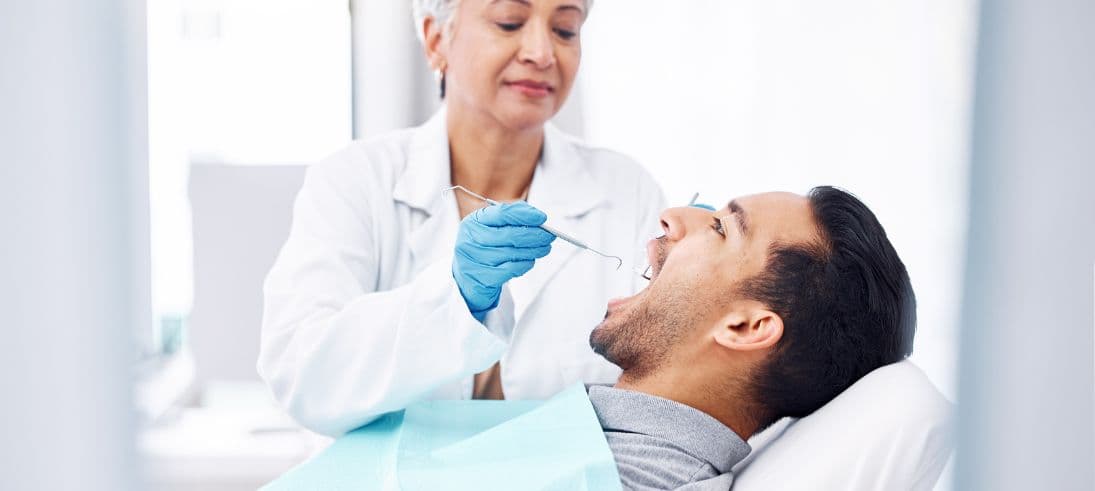
One of the most common questions expectant mothers have is whether dental treatment is safe while pregnant. In general, routine dental care — including examinations, professional cleaning, and necessary dental treatment — is considered safe during pregnancy. In fact, the NHS and professional dental bodies encourage pregnant women to continue attending dental appointments. Our article on safe oral care advice for women during pregnancy explained explores this in more detail.
The second trimester is often regarded as the most comfortable time for dental visits, as morning sickness has typically eased and the later discomfort of the third trimester has not yet begun. However, dental care can be provided at any stage of pregnancy when clinically appropriate.
Certain precautions may be taken during pregnancy. For example, dental professionals will carefully consider the use of radiographs (X-rays) and will generally only recommend them when essential, using appropriate shielding. Local anaesthetic used for dental treatment is generally considered safe during pregnancy, though your dentist or hygienist will always discuss any concerns with you beforehand.
Elective or cosmetic procedures are typically deferred until after delivery. The suitability of any treatment always depends on individual clinical assessment, and your dental team will work with you to ensure a safe and comfortable experience. If you have any concerns about dental hygiene appointments during pregnancy, do not hesitate to discuss them with your clinician.
When Professional Dental Assessment May Be Needed
While many oral changes during pregnancy are mild and manageable with good home care, there are situations where seeking a professional dental evaluation is advisable. Consider arranging an appointment if you experience:
- Persistent gum bleeding that does not improve with careful brushing and flossing over several days
- Significant gum swelling or pain that interferes with eating or daily comfort
- A toothache or persistent sensitivity that does not resolve
- Any unusual lumps or growths on the gums
- Signs of possible infection, such as swelling of the face or jaw, a persistent unpleasant taste, or discharge from the gums
- Tooth damage resulting from acid erosion due to morning sickness
These symptoms can often be managed effectively when identified early. There is no need to feel anxious about seeking dental advice during pregnancy — dental professionals are experienced in providing safe, appropriate care for expectant mothers and will always tailor their approach to your individual needs.
Practical Tips for Maintaining Dental Hygiene During Pregnancy
Taking a proactive approach to oral care during pregnancy can make a significant difference. The following practical suggestions may help you maintain good dental hygiene throughout this period:
Brushing and Flossing
- Brush your teeth twice daily for at least two minutes using a fluoride toothpaste.
- Use a soft-bristled toothbrush to minimise irritation to sensitive gums.
- Clean between your teeth daily using interdental brushes or floss to remove plaque from areas a toothbrush cannot reach.
Managing Morning Sickness
- If you experience vomiting, avoid brushing your teeth immediately afterwards, as stomach acid temporarily softens enamel. Instead, rinse your mouth with plain water or a fluoride mouthwash and wait at least 30 minutes before brushing.
Diet and Nutrition
- Limit sugary snacks and acidic drinks, which can contribute to tooth decay.
- Choose calcium-rich foods such as cheese, yoghurt, and leafy greens to support dental and overall health.
Dental Appointments
- Continue attending regular dental and hygiene appointments. Inform your dental team that you are pregnant so they can adapt your care accordingly.
- Take advantage of free NHS dental care during pregnancy and for 12 months after delivery if you have a valid maternity exemption certificate.
Consistent daily care combined with professional hygiene treatment forms the foundation of good oral health during pregnancy and beyond.
Key Points to Remember
- Hormonal changes during pregnancy can increase the risk of gum inflammation, commonly known as pregnancy gingivitis.
- Maintaining a thorough daily oral hygiene routine — brushing, flossing, and using fluoride toothpaste — is essential throughout pregnancy.
- Routine dental treatment, including professional cleaning, is generally safe during pregnancy.
- Morning sickness may expose teeth to acid; rinse with water and wait before brushing.
- Persistent symptoms such as bleeding gums, pain, or swelling should be assessed by a dental professional.
- Preventative care and early intervention can help protect both maternal oral health and overall wellbeing.
Frequently Asked Questions
Can pregnancy cause gum disease?
Pregnancy itself does not cause gum disease, but the hormonal changes that occur — particularly elevated progesterone levels — can make gum tissue more susceptible to inflammation in the presence of plaque bacteria. This condition, known as pregnancy gingivitis, is common and typically presents as swollen, tender, or bleeding gums. With good oral hygiene and professional dental care, pregnancy gingivitis can usually be managed effectively. If left unaddressed, however, persistent inflammation may progress to a more advanced form of gum disease, which is why maintaining regular dental appointments during pregnancy is advisable.
Is it safe to have a dental cleaning while pregnant?
Yes, professional dental cleaning is generally considered safe during pregnancy and is actively encouraged by dental health guidelines. Dental hygienists are trained to provide comfortable and safe care for pregnant patients. The second trimester is often the most comfortable period for appointments, though treatment can be provided at any stage when appropriate. If you have any specific concerns, your dental team will be happy to discuss them with you and adapt the appointment to your needs. You may also find our guide on safe dental hygiene treatments during pregnancy helpful.
Why do my gums bleed more during pregnancy?
Bleeding gums during pregnancy are typically caused by the body's heightened inflammatory response to plaque bacteria, driven by increased hormone levels. The elevated progesterone causes blood vessels in the gum tissue to dilate and become more permeable, which means that even normal amounts of plaque can trigger a more noticeable reaction. Thorough daily brushing and interdental cleaning can help reduce plaque buildup and manage bleeding. If bleeding persists despite good home care, a professional dental assessment can help identify the cause and recommend appropriate management.
Can morning sickness damage my teeth?
Frequent vomiting associated with morning sickness can expose tooth enamel to stomach acid, which may lead to erosion over time. Enamel erosion can cause increased sensitivity, discolouration, and a higher risk of decay. To minimise damage, it is advisable to rinse your mouth with plain water or a fluoride mouthwash after vomiting rather than brushing immediately, as the softened enamel is more vulnerable to abrasion. Waiting at least 30 minutes before brushing allows the enamel to reharden. If erosion is a concern, your dentist can advise on protective measures.
How often should I visit the dentist during pregnancy?
It is generally recommended that you continue attending dental appointments at your usual frequency during pregnancy — typically every six months, or as advised by your dental professional. Some women may benefit from more frequent hygiene appointments during pregnancy if they are experiencing increased gum inflammation. Your dental team can tailor the frequency of visits based on your individual oral health needs. Remember, pregnant women in England are entitled to free NHS dental care with a valid maternity exemption certificate.
Does pregnancy affect the health of my baby's teeth?
A baby's primary (milk) teeth begin to develop during the early weeks of pregnancy, and maternal nutrition plays a role in supporting healthy tooth development. A balanced diet that includes adequate calcium, vitamin D, and other essential nutrients contributes to the formation of strong teeth and bones. Additionally, some research suggests that untreated maternal gum disease may be associated with certain pregnancy complications, though more evidence is needed to fully understand this relationship. Maintaining good oral health during pregnancy supports both your wellbeing and your baby's development.
Conclusion
Maintaining dental hygiene during pregnancy is a straightforward yet important aspect of overall prenatal care. Hormonal changes can make the mouth more vulnerable to gum inflammation and other oral health concerns, but with consistent home care and professional support, these challenges can be managed effectively.
Understanding how pregnancy affects oral health empowers expectant mothers to take proactive steps — from brushing and flossing routinely to attending regular dental and hygiene appointments. If you notice any changes in your mouth during pregnancy, such as persistent bleeding, swelling, or discomfort, seeking professional advice early can help ensure appropriate care and peace of mind.
This article is intended for educational purposes and does not replace professional dental advice. Treatment suitability depends on individual clinical assessment.
Disclaimer
This article is for general educational purposes only and does not constitute dental advice. Individual symptoms, diagnoses, and treatment options should always be assessed by a qualified dental professional during a clinical examination.