

 South Kensington Tube.
Introduction
Many people living with epilepsy in the UK are aware that their condition can affect daily life — but fewer realise how significantly it can impact oral health. If you or someone you care for takes anti-epileptic medication, you may have noticed changes such as swollen gums, a persistently dry mouth, or increased sensitivity. These are recognised side effects associated with certain epilepsy drugs, and they are more common than many patients expect.
Dental hygiene for epilepsy patients is an important but often overlooked area of healthcare. Understanding the connection between anti-epileptic medication and oral health allows patients to take proactive steps to protect their teeth and gums — and to seek appropriate professional support when needed.
This article explains the key dental side effects associated with epilepsy medication, offers practical hygiene advice, and outlines when a visit to a dental professional may be beneficial. All information is provided for educational purposes. Individual clinical assessment is always necessary to determine personal treatment needs.
Featured Snippet: What Are the Dental Side Effects of Epilepsy Medication?
Dental hygiene for epilepsy patients requires careful attention because certain anti-epileptic drugs — particularly phenytoin — can cause gingival overgrowth (enlarged gum tissue), dry mouth, and increased risk of gum disease. These side effects can make thorough cleaning more difficult and may increase vulnerability to infection without regular professional support.
Why Epilepsy Medication Can Affect Your Oral Health
Anti-epileptic drugs (AEDs) are taken long-term by many patients to manage seizures. While these medications are essential for neurological health, several commonly prescribed AEDs are associated with recognised oral side effects.
Phenytoin (Epanutin) is perhaps the most widely documented in relation to dental side effects. It is associated with a condition known as drug-induced gingival overgrowth (DIGO) — a thickening and enlargement of the gum tissue that can make oral hygiene more challenging.
Other AEDs, including carbamazepine, sodium valproate, and lamotrigine, may contribute to dry mouth (xerostomia), altered taste, or in some cases, increased susceptibility to oral ulcers.
It is important to note that not every patient taking these medications will experience the same degree of side effects. The severity of gingival overgrowth, for example, is influenced by factors such as the dose and duration of medication, the presence of existing gum inflammation, and the quality of the individual's home oral hygiene routine.
Understanding which medication you are taking and its potential oral health implications is a helpful first step. Your dental hygienist or dentist can work alongside your neurological care team to help manage these effects appropriately.
Understanding Gingival Overgrowth: The Clinical Explanation
Gingival overgrowth — also described as gum enlargement — occurs when gum tissue proliferates beyond its normal healthy state. In patients taking phenytoin, this is believed to result from the drug affecting fibroblast activity in the gum tissue. Fibroblasts are cells responsible for producing connective tissue proteins such as collagen. When their behaviour is altered by the medication, an abnormal accumulation of collagen can lead to visible gum enlargement.
The overgrowth typically begins at the interdental papillae — the triangular portions of gum tissue that sit between your teeth. In more pronounced cases, it can extend over the surfaces of the teeth, making cleaning more difficult and, in severe cases, affecting how teeth come together when biting.
Critically, existing gum inflammation appears to worsen drug-induced gingival overgrowth. This means that maintaining excellent plaque control is not merely good general advice — for patients taking phenytoin, it is particularly important. Reducing gingival inflammation through thorough and consistent oral hygiene may help minimise the degree of overgrowth that occurs.
This is a key reason why regular professional dental hygiene appointments are especially valuable for patients with epilepsy.
Dry Mouth and Its Impact on Dental Health
Dry mouth, or xerostomia, is another side effect that some epilepsy patients may experience — whether due to the medication itself or as a secondary effect of the condition. Saliva plays a vital protective role in oral health that is easy to underestimate until it is reduced.
Saliva helps to:
- Neutralise acids produced by bacteria in the mouth
- Wash away food debris and bacteria from tooth surfaces
- Provide minerals that support enamel remineralisation
- Lubricate oral tissues, reducing friction and irritation
When saliva flow is reduced, the protective environment of the mouth changes. Acid levels can rise for longer periods after eating or drinking, increasing the risk of enamel erosion and dental decay. Gum tissues may also become more prone to irritation and infection.
Patients experiencing dry mouth may notice symptoms such as:
- A persistent sensation of dryness or stickiness in the mouth
- Difficulty chewing, swallowing, or speaking
- A sore or burning tongue
- An increase in dental cavities
If you suspect you are experiencing medication-related dry mouth, it is worth discussing this with both your dentist and your prescribing clinician, as strategies can be explored to help manage symptoms safely. This practical guide on managing oral hygiene with dry mouth may also be useful.
Practical Dental Hygiene Tips for Epilepsy Patients
Good oral hygiene is important for everyone, but for patients taking anti-epileptic medication, it carries additional clinical significance. The following practical steps can help support oral health alongside professional dental care:
1. Brush Twice Daily with a Fluoride Toothpaste
Use a soft-bristled toothbrush and a fluoride toothpaste containing at least 1,350–1,500 ppm fluoride (as recommended by the Oral Health Foundation). Brush for two minutes, paying close attention to the gum margins where plaque accumulates most readily.
2. Clean Between Your Teeth Daily
Interdental cleaning — using floss, interdental brushes, or water flossers — removes plaque from the areas your toothbrush cannot reach. For patients prone to gingival overgrowth, keeping these areas clean is particularly important to minimise gum inflammation.
3. Stay Well Hydrated
Drinking water regularly throughout the day helps counteract dry mouth. Plain water is the most beneficial choice, as sugary or acidic drinks can contribute to enamel damage.
4. Use a Saliva Substitute if Recommended
Your dental professional may recommend alcohol-free mouthwash, saliva substitutes, or specific oral moisturising gels to help manage persistent dry mouth. Always seek professional advice before introducing new products, particularly if they are medicated.
5. Attend Regular Dental Hygiene Appointments
Professional cleaning removes calculus (tartar) that cannot be removed through home brushing alone. For patients taking phenytoin or other AEDs, more frequent hygiene appointments may be clinically appropriate — this is something your hygienist can advise on individually.
6. Inform Your Dental Team About Your Medication
Always ensure your dental hygienist and dentist are aware of all medications you are taking, including the dosage and how long you have been prescribed them. This information is essential for safe and effective care.
Injury-Related Dental Concerns in Epilepsy
Patients living with epilepsy may also face a heightened risk of dental trauma. Tonic-clonic seizures, in particular, can result in falls or sudden physical movement, which may lead to injuries affecting the mouth, teeth, jaw, or soft tissues.
Common seizure-related dental concerns may include:
- Chipped, cracked, or fractured teeth — review early warning signs in this guide to managing cracked tooth syndrome
- Tooth avulsion (a tooth being knocked out)
- Lacerations to the lips, cheeks, or tongue
- Jaw soreness or temporomandibular joint (TMJ) discomfort
If a dental injury occurs following a seizure, it is advisable to seek dental assessment as soon as is reasonably possible. Some injuries may not cause immediate pain but can develop into more significant concerns over time if left unaddressed.
Wearing a custom-fitted mouthguard during activities with a higher injury risk is something a dentist can advise on individually, depending on the patient's circumstances and seizure type. Treatment suitability is always subject to clinical assessment.
When Professional Dental Assessment May Be Needed
Whilst good home oral hygiene forms the foundation of dental health, there are situations where professional dental evaluation is advisable. Patients with epilepsy should consider contacting their dental team if they notice:
- Gum tissue that appears swollen, enlarged, or overgrown
- Bleeding gums during brushing or spontaneously
- Persistent dry mouth that is affecting comfort or eating
- Increased sensitivity in teeth or at the gum line
- Mouth soreness, ulcers that do not resolve within two weeks, or unusual changes to oral tissues
- Dental injuries sustained during or following a seizure
None of these symptoms necessarily indicate a serious problem, but they benefit from professional evaluation to determine whether any clinical intervention is appropriate.
Watch: What Does a Dental Hygienist Do? Essential Preventive Care Explained
Understanding the role of your dental hygienist can help you make the most of your appointments. Preventive care is particularly valuable for patients whose medications create specific oral health risks.
How a Dental Hygienist Can Support Patients with Epilepsy
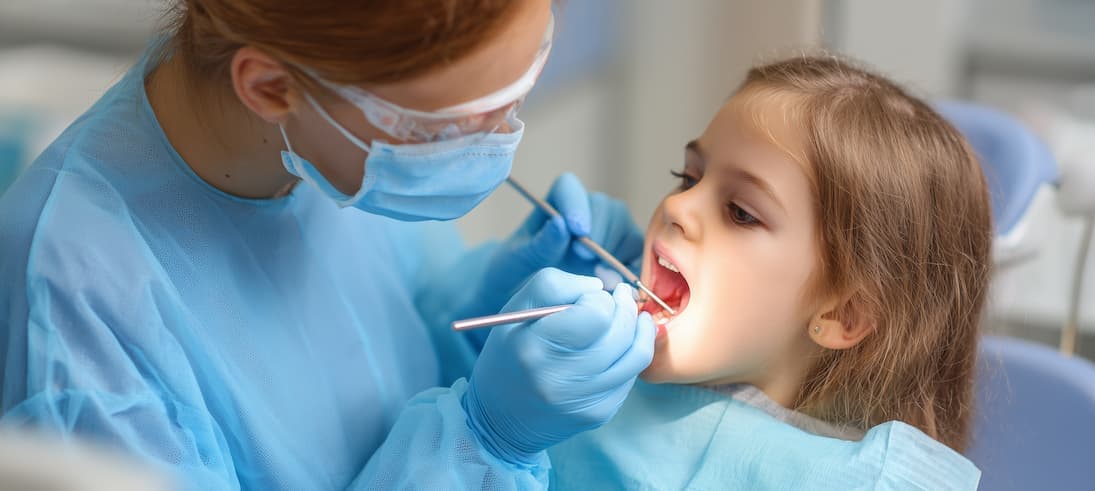
A dental hygienist plays a central role in helping patients with epilepsy maintain oral health alongside their wider medical management. At a hygiene appointment, your clinician can:
- Perform professional cleaning to remove calculus and reduce gingival inflammation
- Provide personalised guidance on brushing and interdental cleaning techniques
- Monitor gum health and identify early signs of gingival overgrowth or disease
- Recommend appropriate oral hygiene products suited to your specific needs
- Liaise with your dentist regarding any changes in oral health that may require further review
- Offer sensitive, non-judgemental support in a calm clinical environment
If you are taking phenytoin or another AED and have not yet discussed your oral health with a dental hygienist, it may be worth exploring how professional hygiene care in London could support your dental wellbeing.
For patients who have been away from dental care for a period of time, returning for a hygiene appointment is a positive first step. There is no benefit in delaying, and the earlier gum changes are identified, the more straightforwardly they can often be managed.
Prevention and Long-Term Oral Health Management
Prevention is at the heart of managing oral health for patients with epilepsy. Whilst medication side effects cannot always be entirely avoided, their impact on teeth and gums can often be reduced with consistent, informed action.
Key preventive strategies include:
- Consistent daily oral hygiene: Plaque control is the single most modifiable factor in reducing gingival overgrowth severity and preventing gum disease.
- Regular professional monitoring: Dental hygiene appointments allow any early changes to be identified and managed before they progress.
- Open communication with all healthcare providers: Your dental team and your neurological care team work best when they are both aware of your full health picture.
- Dietary awareness: Reducing frequent consumption of sugary or acidic foods and drinks is particularly important if dry mouth is present, as the absence of protective saliva increases vulnerability to enamel damage.
- Adequate hydration: Drinking water regularly supports saliva production and helps maintain a healthier oral environment.
Understanding your gum health and how to maintain it is a valuable part of long-term oral wellbeing for anyone managing a chronic condition.
Key Points to Remember
- Certain anti-epileptic medications — particularly phenytoin — are associated with gum overgrowth (gingival overgrowth), dry mouth, and increased infection risk.
- Dental hygiene for epilepsy patients requires particular attention because medication side effects can make oral cleaning more challenging.
- Daily brushing and interdental cleaning are essential to reduce gingival inflammation, which can worsen drug-induced gum changes.
- Saliva plays a protective role in oral health; dry mouth caused by medication increases the risk of dental decay and should be discussed with a dental professional.
- Epilepsy patients may also face a higher risk of dental injuries related to seizures; prompt assessment is advisable following any oral trauma.
- Regular dental hygiene appointments allow professional monitoring and early intervention, supporting long-term oral health.
Frequently Asked Questions
Does epilepsy medication always cause gum problems?
Not every patient taking anti-epileptic drugs will develop gum changes, and the severity varies considerably between individuals. Phenytoin is the medication most strongly associated with gingival overgrowth, but other AEDs carry different risk profiles. Factors such as dosage, duration of treatment, existing gum health, and the quality of home oral hygiene all influence outcomes. Regular dental assessment allows your hygienist to monitor your gum health and respond promptly if any changes are observed. It is always worth discussing your specific medication with your dental team.
Can improving my oral hygiene reverse gum overgrowth caused by phenytoin?
Improving oral hygiene can significantly reduce gingival inflammation, which in turn may limit the extent of drug-induced gingival overgrowth. In mild cases, enhanced plaque control combined with professional cleaning can produce meaningful improvement. However, in moderate to severe cases, more advanced clinical treatment may be required, and in some instances a discussion with the prescribing clinician about medication options may be appropriate. Treatment decisions are always made on an individual basis following clinical examination.
How often should I see a dental hygienist if I take epilepsy medication?
The appropriate frequency of dental hygiene appointments depends on your individual oral health status and risk profile. For patients taking medications such as phenytoin that carry a risk of gingival overgrowth, more frequent visits — for example every three to four months rather than every six months — may be clinically advisable. Your dental hygienist or dentist can recommend a recall interval suited to your specific circumstances following an assessment of your gum health and oral hygiene.
What should I do if I notice my gums getting bigger?
If you notice your gums appearing enlarged, swollen, or extending further over your teeth than usual, it is worth contacting your dental practice to arrange an appointment. Gingival overgrowth is a recognised side effect of certain medications, and your dental team can assess the extent of the change and advise on appropriate management. Try not to be alarmed — many cases can be managed effectively with professional guidance. It is also helpful to inform your prescribing clinician, as they may wish to review your medication in conjunction with your dental team.
Is dry mouth from epilepsy medication a serious dental concern?
Persistent dry mouth reduces the mouth's natural defences against decay and gum disease, so it is a concern worth addressing proactively rather than ignoring. There are practical steps that can help — staying well hydrated, using specific oral care products designed for dry mouth, and maintaining excellent hygiene habits. Your dental team can recommend evidence-informed products and strategies appropriate to your situation. If dry mouth is significantly affecting your quality of life, it is worth discussing with both your dentist and your prescribing clinician.
Can I wear a mouthguard to protect my teeth during seizures?
Custom-fitted mouthguards are used in various clinical contexts to protect teeth, but their appropriateness for epilepsy patients depends on a range of individual factors, including seizure type, frequency, and severity. A dentist can advise you on whether a protective device would be suitable in your specific circumstances following a proper clinical assessment. It is important not to use over-the-counter mouthguards without professional advice, as poorly fitting devices may not provide the intended protection.
Conclusion
Managing oral health whilst living with epilepsy requires awareness, consistency, and professional support. Dental hygiene for epilepsy patients is shaped significantly by the oral side effects that certain anti-epileptic medications can produce — including gingival overgrowth, dry mouth, and heightened vulnerability to gum disease. Understanding these risks empowers patients to take practical, informed steps to protect their oral health.
The most effective approach combines excellent daily home care — thorough brushing, regular interdental cleaning, and adequate hydration — with regular professional dental hygiene appointments where gum health can be monitored and professionally managed. Early identification of any changes means they can generally be addressed more straightforwardly.
If you have concerns about changes in your gum tissue, mouth dryness, or any oral symptoms that have developed since starting or adjusting your epilepsy medication, it is sensible to seek dental assessment sooner rather than later. Your dental team can offer personalised, supportive guidance in a calm clinical environment.
Dental symptoms and treatment options should always be assessed individually during a clinical examination.
This article is for educational and informational purposes only and does not constitute dental or medical advice. It is not a substitute for an in-person clinical assessment by a qualified professional. Individual symptoms, risks, and treatment suitability vary and must be assessed clinically. No outcomes or treatment benefits are guaranteed or implied. Content aligns with GDC communication standards, CQC patient safety principles, ASA CAP Code, and GMC ethical guidance.
Disclaimer
This article is for general educational purposes only and does not constitute dental advice. Individual symptoms, diagnoses, and treatment options should always be assessed by a qualified dental professional during a clinical examination.