

 South Kensington Tube.

Introduction
Many people wonder whether attending a dental hygienist once a year is sufficient, or whether they may benefit from more frequent visits. It is a common question, and one that does not have a single universal answer. The truth is that dental cleaning frequency depends on a range of personal, clinical, and lifestyle factors that vary considerably from patient to patient.
Understanding why some individuals need professional cleaning every three months while others manage well with annual appointments can help you make more informed decisions about your oral health. This article explores the factors that influence how often you may benefit from professional hygiene appointments, what diagnostic data tells us about your gum and tooth health, and when it may be worth speaking to a dental hygienist about adjusting your care routine.
Whether you are experiencing signs of gum sensitivity, managing a long-term condition, or simply trying to get the most from your preventive dental care, this guide aims to give you a clear and balanced perspective.
Featured Snippet: How Often Should You See a Dental Hygienist?
Dental cleaning frequency is not one-size-fits-all. Your individual hygiene needs — including gum health, plaque build-up patterns, medical history, and lifestyle habits — all influence how often professional cleaning may be appropriate. A dental hygienist can assess your oral health and recommend a personalised cleaning schedule to support long-term gum and tooth health.
Why Dental Cleaning Frequency Is Not the Same for Everyone
One of the most important things to understand about professional dental cleaning is that the ideal frequency differs from person to person. While a standard recommendation for a healthy adult with no gum concerns might be once or twice a year, clinical evidence and professional guidance consistently highlight that individual risk factors should inform scheduling decisions.
Factors such as how quickly plaque and tartar accumulate, the depth of gum pockets, the presence of active gum disease, and systemic health conditions all play a meaningful role in determining what is appropriate for a given patient.
For example, someone with well-controlled oral hygiene at home, no history of gum disease, and low plaque accumulation may thrive with less frequent professional intervention. By contrast, a patient managing early-stage gum disease, wearing fixed orthodontic appliances, or living with conditions such as diabetes may require more regular hygienist visits to stay ahead of potential complications.
The key principle here is that dental cleaning frequency should be guided by clinical assessment — not habit, assumption, or cost alone. Speaking openly with your hygienist about your oral health history is the most effective starting point for establishing a personalised schedule.
Understanding Plaque, Tartar, and Why They Matter
To understand why cleaning intervals vary, it helps to know what professional hygiene appointments are actually targeting. Plaque is a soft, sticky film of bacteria that forms continuously on tooth surfaces. When removed regularly through brushing and interdental cleaning at home, plaque remains relatively manageable.
However, when plaque is not fully disrupted — whether due to technique, anatomy, appliances, or simply the speed at which bacteria colonise in a particular individual — it begins to mineralise and harden into calculus, commonly known as tartar.
Once calculus has formed, it cannot be removed by toothbrushing alone. It requires professional instruments to safely debride the tooth surface without causing damage. Calculus that remains on the tooth surface and below the gumline becomes a persistent reservoir for bacteria, contributing to gum inflammation, bleeding, and, over time, the progressive bone loss associated with periodontitis.
Some individuals produce calculus at a notably faster rate than others. This biological tendency is partly determined by saliva composition, pH levels, and dietary patterns. For these patients, more frequent hygiene appointments are not simply a preference — they are a clinically sound component of preventive care.
Gum Health Indicators That May Affect Your Cleaning Schedule
During a hygiene appointment or dental examination, several clinical measurements help build a picture of your gum health status. These indicators guide decisions about how frequently professional cleaning may be of benefit.
Pocket depth measurements are one of the most informative assessments. Healthy gum tissue typically forms shallow sulci around each tooth. As gum disease progresses, these pockets deepen, harbouring bacteria that become increasingly difficult to remove through routine home care.
Bleeding on probing is another key signal. While occasional sensitivity during probing may occur for various reasons, consistent bleeding is widely regarded as a clinical indicator of gum inflammation. Regular hygiene appointments — at appropriately spaced intervals — can help reduce this inflammation and support gum tissue recovery.
Recession and bone levels may also factor into scheduling considerations. Where recession is present, root surfaces become exposed and can be more vulnerable to both sensitivity and plaque accumulation.
Taken together, these diagnostic data points allow a dental hygienist to build a clinical picture and recommend a maintenance schedule tailored to your situation. If you are unsure about your current gum health status, a periodontal health assessment with a dental hygienist can offer a thorough and informative starting point.
Lifestyle Factors That Can Influence How Often You Need Professional Cleaning
Beyond the clinical indicators observed during examination, a number of lifestyle factors are known to influence plaque accumulation patterns and overall gum health — and therefore, cleaning frequency.
Smoking and tobacco use are well-established risk factors for gum disease. They can suppress the visible signs of inflammation, making gum disease harder to detect without professional assessment, and are associated with slower healing and greater disease progression. Patients who smoke may benefit from more frequent monitoring and hygiene support.
Diet plays a role too. Diets high in fermentable carbohydrates can influence both the bacterial composition of the mouth and the rate at which plaque reforms. Frequent consumption of acidic or sugary foods and beverages also increases the risk of enamel erosion and caries, which may need to be factored into a broader preventive plan.
Stress has an increasingly recognised connection to oral health. Psychological stress is associated with elevated cortisol levels, which can impair immune function and may exacerbate the inflammatory processes involved in gum disease. Some research also links stress to increased teeth grinding (bruxism) and dry mouth, both of which can complicate oral health management.
Medications that cause dry mouth as a side effect — including certain antidepressants, antihistamines, and blood pressure medications — can reduce the protective role of saliva, increasing the risk of both decay and gum inflammation.
Medical Conditions and Their Oral Health Implications
Systemic health conditions can have a bidirectional relationship with oral health. Certain medical conditions increase the risk of gum disease or affect how the mouth responds to bacterial challenge — which in turn may necessitate more frequent professional hygiene support.
Diabetes is perhaps the most widely studied example. Research consistently demonstrates a link between poorly controlled blood glucose and increased susceptibility to periodontal disease. Conversely, uncontrolled gum disease may make blood glucose regulation more challenging. Patients with diabetes are often advised to maintain a more frequent hygiene schedule as part of their overall health management.
Cardiovascular conditions, pregnancy, and immunosuppressive treatments are among other health circumstances where oral health monitoring may warrant closer attention. Hormonal changes during pregnancy, for instance, can increase gum sensitivity and susceptibility to pregnancy gingivitis, making professional support during this period particularly valuable.
It is always worth informing your dental hygienist of any changes in your general health or medications, as these can directly affect the recommendations made for your oral care plan.
The Clinical Science Behind Professional Dental Cleaning
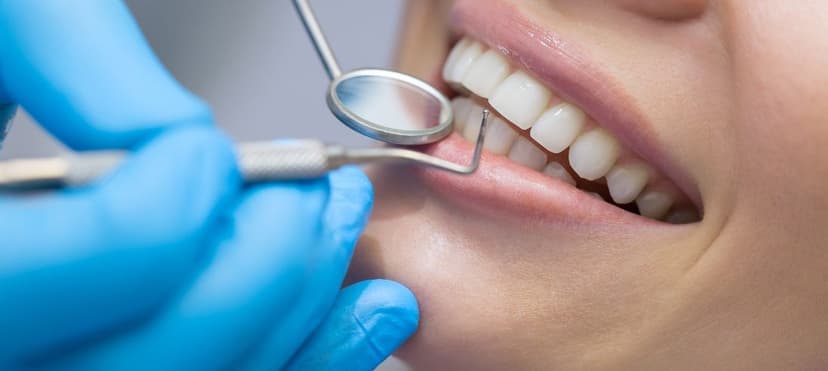
Professional dental cleaning — often referred to as scale and polish or, in the context of gum disease management, debridement — involves the careful removal of calculus and biofilm from tooth surfaces both above and below the gumline.
Modern hygiene instruments include ultrasonic scalers, which use vibration and water to disrupt and dislodge calculus effectively, and hand instruments for precision work in specific areas. The goal is not simply cosmetic — it is the removal of bacterial reservoirs that perpetuate inflammation.
When calculus remains in place for extended periods, the bacteria within it produce toxins that trigger the body's inflammatory response. This chronic low-grade inflammation, if unaddressed, leads to the breakdown of the periodontal ligament and alveolar bone that support the teeth. This process — periodontitis — is largely irreversible once structural changes have occurred, which is why prevention and early intervention are so important.
Understanding this process reinforces why dental cleaning frequency matters: maintaining consistent professional hygiene appointments at the intervals recommended for your situation supports the inflammatory cycle being interrupted before significant tissue damage occurs.
When You May Benefit from a Professional Dental Assessment
There are several situations where it would be particularly worthwhile to speak with a dental hygienist or dentist about reviewing your cleaning schedule or seeking a thorough assessment.
You may wish to book an appointment if you notice any of the following:
- Bleeding gums when brushing or using interdental tools — this is often an early sign of gum inflammation and is worth investigating
- Persistent bad breath that does not resolve with normal oral hygiene — this can sometimes indicate bacterial build-up below the gumline
- Gum sensitivity or recession — where gums appear to have pulled away from the teeth or feel tender
- Visible tartar build-up — particularly on the inside of the lower front teeth or behind the upper back teeth
- Loose or shifting teeth — in a fully erupted adult dentition, this warrants prompt professional evaluation
- A change in how your bite feels — which can sometimes indicate changes in the supporting structures of the teeth
None of these symptoms should cause undue alarm, but they are good reasons to have a professional conversation rather than to wait for a standard recall. Early review often makes management simpler and more straightforward.
Meet Our Dental Hygienist
We want you to feel comfortable and confident when visiting our clinic. Watch this short introduction to get a better sense of the care and expertise you can expect:
Home Care Routines and Their Impact on Professional Cleaning Intervals
One of the most empowering aspects of oral health is that the choices you make at home each day have a genuine and measurable impact on what happens clinically. A well-established home care routine can support longer intervals between professional appointments and reduce the complexity of treatment when you do attend.
Effective twice-daily toothbrushing with a fluoride toothpaste remains the cornerstone of home oral care. Manual or electric toothbrushes are both effective when used correctly — technique and consistency matter more than the type of brush.
Interdental cleaning — using floss, interdental brushes, or water flossers — is equally important. The spaces between teeth are common sites for plaque accumulation and are not reached by toothbrushing alone. Studies suggest that interdental cleaning significantly reduces gum inflammation when performed daily and correctly.
A clinical team can help identify any gaps in your current home care approach during a routine hygiene appointment in London, offering tailored guidance based on your specific anatomy, appliances, or areas of concern.
The relationship between your home care efforts and your professional cleaning schedule is genuinely reciprocal: the more consistently you maintain effective home hygiene, the more stable your gum health is likely to remain between appointments.
Prevention and Long-Term Oral Health
Preventive dental care is one of the most cost-effective and health-beneficial approaches to oral health management. Rather than waiting for problems to escalate before seeking professional help, a preventive mindset focuses on maintaining stable conditions and catching early changes before they become more complex to manage.
A personalised preventive care plan — developed in partnership with your dental hygienist — typically includes a combination of home care guidance, dietary advice, professional monitoring, and scheduled cleaning appointments at intervals appropriate to your risk level.
Over time, consistent preventive care can contribute to healthier gum tissue, a reduced need for restorative dental treatment, fresher breath, and greater confidence in your smile. It also supports wider systemic health, given the established connections between periodontal disease and conditions such as cardiovascular disease and diabetes.
If you have not had a professional hygiene review for some time, or if your circumstances have changed — a new medication, a health diagnosis, a pregnancy, or simply a feeling that your gums are not quite as healthy as they once were — it may be a good moment to reconnect with a dental hygienist. You can explore preventive dental hygiene services at our London clinic to understand what a personalised assessment involves.
Key Points to Remember
- Dental cleaning frequency is individual — the right interval depends on your unique oral health profile, not a universal rule
- Plaque and tartar accumulate at different rates in different individuals, influencing how often professional debridement is beneficial
- Gum health indicators such as pocket depth, bleeding, and recession help clinical teams establish appropriate maintenance schedules
- Lifestyle and medical factors — including smoking, diet, stress, diabetes, and certain medications — can increase the need for more frequent professional hygiene support
- Consistent home care supports longer intervals between professional appointments and helps maintain gum health stability
- Early professional assessment when symptoms appear is advisable — gum disease is largely preventable and manageable when addressed early
Frequently Asked Questions
How often should I see a dental hygienist?
The appropriate frequency varies depending on your oral health status, risk factors, and personal history. Many adults with healthy gums and low plaque accumulation may manage well with one to two visits per year. However, patients with active or previously treated gum disease, certain medical conditions, or higher plaque accumulation rates may be advised to attend every three to four months. Your dental hygienist is best placed to recommend a schedule based on a clinical assessment of your individual needs.
Why do some people need more frequent hygiene appointments than others?
Several factors influence how quickly plaque and calculus reform on tooth surfaces, including saliva composition, dietary habits, smoking, medical conditions, and the specific anatomy of your teeth and gums. Patients who have experienced gum disease in the past also typically require more consistent monitoring to maintain their gum health, as previously affected sites can be more susceptible to recurrence. A tailored approach to scheduling ensures that your care reflects your personal risk profile.
Is there a connection between gum disease and general health?
Research has identified associations between chronic gum disease and a range of systemic health conditions, including cardiovascular disease, type 2 diabetes, and respiratory conditions. While the precise nature of these relationships continues to be studied, the association is well-established enough to be recognised within UK clinical guidance. Maintaining good oral health is considered a meaningful component of overall health management. If you have concerns about how your general health may be affecting your gums, raising this with both your dentist and your GP is worthwhile.
Can I reduce how often I need professional cleaning through better home care?
Yes — effective and consistent home oral hygiene can have a meaningful positive impact on your clinical status and may reduce the complexity of professional cleaning required. Daily interdental cleaning, correct brushing technique, and appropriate dietary habits all contribute. However, professional cleaning removes calculus that home care cannot address, so some level of professional intervention remains necessary regardless of how diligent your home routine is. Your hygienist can advise you on how to optimise your home care.
What should I expect at a dental hygiene appointment?
A hygiene appointment typically includes a clinical assessment of your gum health, measurement of pocket depths around the teeth, and professional cleaning to remove plaque and calculus from above and below the gumline. Your hygienist will also discuss your home care routine and may offer tailored advice on technique, products, or areas that need closer attention. The appointment is generally comfortable, though sensitivity can vary depending on individual circumstances. Most patients find the experience straightforward and leave feeling a noticeable improvement in mouth freshness.
How do I know if my gums are healthy?
Healthy gum tissue is typically firm, pink, and does not bleed during routine brushing or interdental cleaning. If you notice regular bleeding, persistent soreness, puffiness around the gumline, or a change in the appearance of your gums, these are worth discussing with a dental hygienist or dentist. It is worth noting that gum disease can sometimes develop without obvious symptoms in its earlier stages, which is why regular professional monitoring is valuable even when no immediate concerns are apparent.
Conclusion
Understanding how your individual hygiene needs influence dental cleaning frequency is an important step towards taking informed control of your oral health. Rather than following a generic schedule, the most effective approach is one built around your specific clinical picture — your gum health status, your rate of calculus formation, your medical history, and your home care habits all contribute to determining what level of professional support will serve you best.
The good news is that gum disease, in the majority of cases, is both preventable and manageable with the right care in place. The relationship between you and your dental hygienist is a partnership — their clinical expertise combined with your consistent home efforts can produce meaningful, lasting results.
If you have been uncertain about how frequently to attend, or if you have noticed any changes in your gum health, it is always worth having a professional conversation rather than waiting. Early review is almost always simpler and more effective than delayed management.
Dental symptoms and treatment options should always be assessed individually during a clinical examination.
Disclaimer
This article is for general educational purposes only and does not constitute dental advice. Individual symptoms, diagnoses, and treatment options should always be assessed by a qualified dental professional during a clinical examination.