South Kensington Tube.
Introduction
If your gums feel sore, tender, or swollen, you are not alone. Many adults experience gum irritation at some point — whether following a dental procedure, a change in oral hygiene products, or a period of increased stress and reduced self-care. It is entirely natural to feel uncertain about how to care for sensitive gums without making things worse.
Rebuilding a gentle gum care routine after irritation is one of the most common concerns patients search for online. People want to understand what caused the sensitivity, how to soothe the area, and — importantly — how to clean effectively without aggravating already tender tissue. You may also find our guide on how to clean tender gum areas without causing more discomfort daily helpful.
This article explains the reasons gum irritation occurs, what the tissue is experiencing during recovery, how to gradually reintroduce a supportive oral hygiene routine, and when it may be appropriate to seek professional dental or hygienist advice. Understanding your gums and how to care for them is an important step towards long-term oral health. You may also find our guide on how to restart your oral hygiene routine after a long break helpful.
Why Do Gums Become Irritated in the First Place?
Gum irritation can arise from a surprisingly wide range of causes, and understanding the underlying reason can help you choose the most appropriate response. Some of the most common triggers include:
- Overly vigorous brushing — scrubbing the gum line with too much pressure or using a medium or hard-bristled toothbrush can abrade the delicate gum tissue, leading to soreness and recession over time.
- Dental procedures — following a scale and polish, deep cleaning, or any routine hygienist appointment, gums may feel tender for several days as the tissue responds to the removal of plaque and calculus.
- New oral hygiene products — switching to a whitening toothpaste, a strongly flavoured mouthwash, or certain antiseptic rinses can cause temporary irritation, particularly in those with naturally sensitive gums.
- Hormonal changes — pregnancy, menstruation, and menopause can all affect gum sensitivity and how the tissue responds to everyday cleaning.
- Nutritional deficiencies — low levels of vitamin C, in particular, are associated with increased gum fragility and slower healing.
- Stress and reduced self-care — during demanding periods, oral hygiene can slip, allowing plaque to accumulate and triggering inflammatory responses in the gum tissue.
Identifying the likely cause of your irritation is helpful, though a professional assessment through routine and continuing dental care can provide a clearer picture of what is happening clinically and what may be most beneficial for your individual situation.
Understanding What Happens to Gum Tissue During Irritation
Gum tissue — known clinically as the gingiva — is a highly vascularised mucous membrane that surrounds and supports your teeth. When it becomes irritated or inflamed, a process called gingivitis can develop if plaque is not adequately removed. During irritation, the body increases blood flow to the affected area as part of its natural immune response. This is what causes the characteristic redness, puffiness, and tenderness that many people notice.
The good news is that in its early stages, gum inflammation is typically reversible with appropriate care. The gum tissue has a reasonable capacity to heal when the source of irritation is identified and addressed. However, this healing process requires a careful balance — the area must be kept clean to remove bacteria, but cleaning must be gentle enough to avoid further trauma to already sensitised tissue.
If inflammation is left unaddressed, there is a risk of it progressing to more significant gum disease, which can affect the deeper structures supporting the teeth. This is why rebuilding a consistent but gentle routine matters — not simply for comfort, but for the long-term health of your gums and teeth.
Step-by-Step: Rebuilding Your Gentle Gum Care Routine
Returning to a full oral hygiene routine after gum irritation should be a gradual and considered process. Rushing back to your previous habits — particularly if those habits contributed to the irritation — can set back recovery. Here is a practical framework to consider:
Step 1 — Start With the Right Tools
Choose a soft or extra-soft bristled toothbrush. Electric toothbrushes with a pressure sensor can be particularly helpful, as they alert you if you are applying too much force. Avoid medium or hard bristles entirely during the recovery period.
Select a mild fluoride toothpaste without aggressive whitening agents, sodium lauryl sulphate (SLS — a foaming agent some patients find irritating), or strong flavourings. Some patients find toothpastes formulated for sensitive gums more comfortable during this period.
Step 2 — Adjust Your Brushing Technique
Hold your toothbrush at a 45-degree angle to the gum line. Use small, circular or gentle back-and-forth strokes. The aim is to dislodge plaque without scrubbing the tissue. Two minutes, twice daily remains the recommended guidance, but prioritise technique over duration during early recovery.
Step 3 — Reintroduce Interdental Cleaning Gradually
Interdental cleaning is important for gum health, but if your gums are particularly sore, you may need to ease back into this gradually. Start with interdental brushes (in the appropriate size for your spaces) rather than traditional floss, as many patients find these more controllable. Gentle water flossers can also be a comfortable option.
If bleeding occurs during interdental cleaning, do not stop entirely — consistent gentle cleaning is usually more helpful than avoiding the area, though if bleeding persists beyond two weeks, this warrants a professional review.
If you are unsure whether your symptoms fit normal adaptation or early inflammation, this guide on why your gums feel tender after flossing and what to do can help you prepare focused questions for that review.
Step 4 — Rinse Thoughtfully
During recovery, a lukewarm salt water rinse (half a teaspoon of salt dissolved in a glass of warm water) can be a soothing, antibacterial option. Avoid alcohol-based mouthwashes during the irritation period, as these can further dry and aggravate sensitive tissue. If an antiseptic mouthwash has been recommended by your dental professional, follow their specific guidance.
Step 5 — Be Consistent and Patient
Improvement in gum health rarely happens overnight. With a gentle and consistent routine, many patients notice reduced redness and tenderness within one to two weeks. However, the timeline varies depending on the underlying cause and the individual's overall health.
The Role of Professional Hygienist Care in Gum Recovery
One of the most effective ways to support gum recovery is through professional hygienist care. A dental hygienist can provide a thorough but gentle professional clean, removing calculus and bacterial deposits that a toothbrush cannot reach. This significantly reduces the bacterial load around the gum line and creates a healthier environment for healing.
Beyond cleaning, a hygienist appointment also provides an opportunity for personalised oral hygiene instruction. Everyone's mouth is different — the spacing between teeth, the presence of crowns or bridges, and individual gum sensitivity all affect which cleaning tools and techniques are most appropriate. A hygienist can tailor advice to your specific situation rather than offering a one-size-fits-all approach.
If you have experienced repeated episodes of gum irritation, a hygienist can also help to identify contributing factors and recommend preventative strategies to reduce the likelihood of future flare-ups. You can learn more about professional teeth cleaning and hygiene treatment options available at our London clinic.
When to Seek Professional Dental Assessment
Whilst mild gum irritation often responds well to a careful home routine, there are situations where professional dental evaluation would be advisable. If you notice any of the following, it is sensible to arrange an appointment:
- Persistent gum bleeding that continues beyond two weeks despite consistent gentle cleaning
- Swelling that appears to be worsening rather than improving
- Significant pain that makes eating or drinking uncomfortable
- Recession (the gum tissue appearing to pull away from the teeth)
- Loose teeth or changes in how your bite feels
- Persistent bad taste or odour that does not resolve with regular brushing
- Sores or ulcers that are not healing within two weeks
None of these symptoms should cause immediate alarm, but they do indicate that a clinical assessment would help to identify what is happening and whether any specific treatment may be appropriate. A dental professional can evaluate your gum tissue thoroughly and provide guidance based on what they find — something no article or online resource can replicate.
Meet Our Dental Hygienist Team
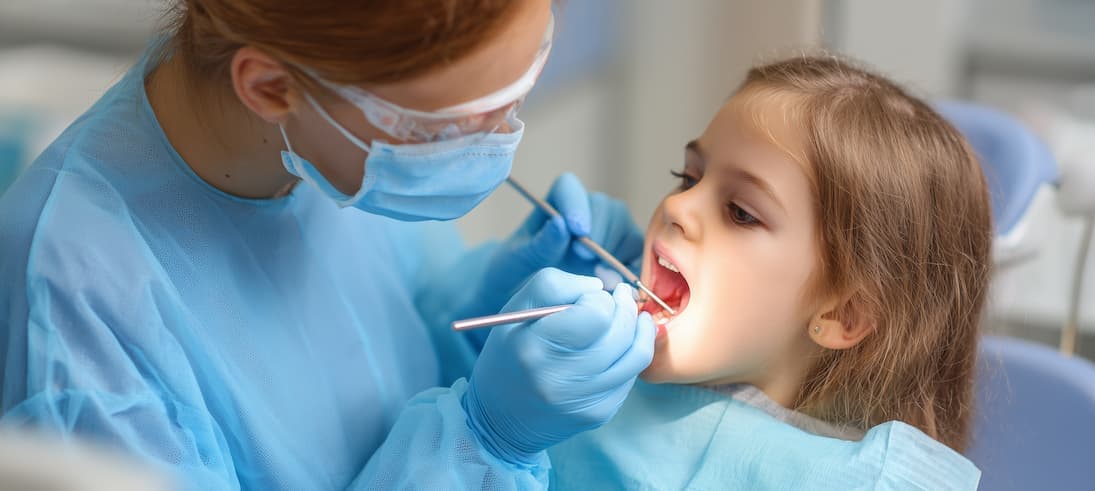
To give you a sense of the caring, professional environment we provide at our clinic, we would like to introduce you to one of our dental hygienists. Patient-centred care and thorough yet gentle treatment are at the heart of every appointment.
Prevention: Keeping Your Gums Healthy Long-Term
Once your gums have recovered, maintaining their health over the long term is the most important goal. A preventative mindset — rather than a reactive one — can significantly reduce the likelihood of recurrent irritation. Here are some key habits to consider:
Maintain a consistent brushing routine. Twice daily brushing with a soft-bristled brush and fluoride toothpaste remains the foundation of good gum health. Consistency matters more than perfection on any single occasion.
Clean between your teeth daily. Interdental brushes, floss, or water flossers help to remove plaque from the areas that toothbrush bristles cannot reach — the spaces where early gum disease most commonly begins.
Review your toothpaste and mouthwash choices. If you have experienced sensitivity in the past, opting for products specifically formulated for sensitive gums may reduce the risk of future irritation.
Stay hydrated. A dry mouth allows bacterial plaque to accumulate more readily. Drinking sufficient water throughout the day supports a healthy oral environment.
Attend regular hygienist appointments. Professional cleaning at appropriate intervals — typically every six to twelve months depending on your individual gum health — helps to maintain the oral environment and catch any early signs of gum disease before they progress. Discussing the appropriate recall interval for your gum health with your dental team is worthwhile.
Eat a balanced diet. Reducing sugar intake and ensuring adequate vitamin C and other nutrients supports gum tissue integrity and immune function.
Avoid smoking. Smoking significantly compromises gum health and healing capacity, and is one of the strongest modifiable risk factors for gum disease.
Key Points to Remember
- Gum irritation is common and often arises from vigorous brushing, new products, dental procedures, or a lapse in oral hygiene routine.
- A gentle gum care routine — using a soft toothbrush, mild fluoride toothpaste, and careful interdental cleaning — supports recovery without causing further trauma.
- Salt water rinses can offer soothing relief, whilst alcohol-based mouthwashes are best avoided during the irritation period.
- Consistent, gentle cleaning is more beneficial than avoiding the area altogether.
- If symptoms persist beyond two weeks or worsen, professional dental assessment is advisable.
- Regular dental hygienist appointments support long-term gum health and help to prevent future irritation.
Frequently Asked Questions
How long does it take for irritated gums to heal?
In many cases, mild gum irritation begins to improve within one to two weeks of adopting a consistent and gentle oral hygiene routine. However, the timeline can vary depending on the underlying cause, your general health, and how thoroughly plaque is being managed. If your gums remain sore, swollen, or bleeding beyond two weeks of careful cleaning, it is advisable to seek a professional dental assessment to determine whether any additional support may be beneficial.
Is it safe to brush irritated gums?
Yes — continuing to brush is important, even when gums are sore. Avoiding the area allows plaque to accumulate, which can worsen inflammation. The key is to adjust your approach: use a soft or extra-soft bristled toothbrush, apply very light pressure, and use gentle circular motions rather than scrubbing. Stopping brushing entirely tends to make gum irritation worse over time rather than better.
Which toothpaste is suitable for irritated or sensitive gums?
A mild fluoride toothpaste without aggressive whitening agents is generally considered appropriate during a period of gum sensitivity. Some patients benefit from toothpastes specifically formulated for sensitive gums, which tend to have gentler formulations. Toothpastes containing sodium lauryl sulphate (SLS) can occasionally cause or worsen irritation in sensitive individuals. If you are unsure which product is most suitable, a dental hygienist or dentist can offer personalised guidance based on your situation. For further background, see our guide on how to choose gentler toothpaste when gums feel irritated.
Should I stop flossing if my gums are irritated?
Not necessarily. Stopping interdental cleaning entirely allows plaque to build up between teeth, which can worsen gum inflammation over time. However, you may wish to switch from traditional floss to a gentler option such as an interdental brush or a water flosser during the recovery period. Being gentle is the priority. Some bleeding during interdental cleaning is common when gums are inflamed, but this often reduces with consistent, careful cleaning. Persistent bleeding should be assessed by a dental professional.
Can stress affect gum health?
Yes. Research suggests that psychological stress can impair the immune system's response to oral bacteria, making gums more susceptible to inflammation and infection. Stress can also lead to a lapse in regular oral hygiene habits, further compounding the risk. Additionally, some people clench or grind their teeth during stressful periods, which can place additional mechanical stress on the gum tissue. Managing stress where possible, alongside maintaining a consistent oral hygiene routine, can be beneficial for overall gum health.
When should I see a dental hygienist about my gums?
If you are experiencing persistent gum irritation, recurrent soreness, or are unsure whether your current routine is appropriate for your gum health, a dental hygienist appointment is a sensible step. Hygienists are trained specifically in gum health and can provide professional cleaning alongside tailored oral hygiene advice. In general, attending a professional hygienist appointment at least once or twice a year — or more frequently if advised — forms an important part of maintaining healthy gums.
Conclusion
Rebuilding a gentle gum care routine after irritation is entirely achievable with the right approach and a little patience. Understanding why irritation occurs, adjusting your tools and technique, and reintroducing interdental cleaning gradually can support your gums in recovering and help prevent future episodes. Consistency, softness, and care are the central principles to carry forward.
Good gum health is not simply about avoiding discomfort — it forms a critical part of your overall oral health and general wellbeing. Addressing gum concerns early, and maintaining a supportive routine over time, supports your gum tissue in remaining as healthy as possible.
If your symptoms persist or you are concerned about any aspect of your gum health, please do not hesitate to seek professional advice. A qualified dental hygienist or dentist can assess your situation thoroughly and provide recommendations suited to your individual needs.
Dental symptoms and treatment options should always be assessed individually during a clinical examination.
Disclaimer
This article is for general educational purposes only and does not constitute dental advice. Individual symptoms, diagnoses, and treatment options should always be assessed by a qualified dental professional during a clinical examination.