

 South Kensington Tube.
Introduction
Many people in London visit a dental professional only when something feels wrong — a nagging ache, unexpected sensitivity, or visible changes in their teeth or gums. It is a common and entirely understandable pattern. However, waiting until symptoms appear can sometimes mean that small, manageable changes have already had time to develop further.
If you have been searching online for advice about your oral health or wondering what actually happens at a dental review appointment, you are certainly not alone. Understanding preventive dental care is something many adults find genuinely helpful, particularly when they want to take a more proactive approach to their wellbeing.
This article explains what regular dental reviews involve, why they matter for long-term oral health, and how attending consistent check-ups can help you understand the state of your teeth and gums. It also explores the practical guidance that dental professionals may offer to support your daily oral care routine. Where appropriate, it highlights situations in which a professional clinical assessment would be particularly beneficial.
Featured Snippet: What Is Preventive Dental Care and Why Do Reviews Matter?
Regular dental reviews are scheduled appointments where a dental professional assesses your oral health, identifies early signs of potential concerns, and provides personalised guidance. Preventive dental care focuses on maintaining healthy teeth and gums through early intervention, professional cleaning, and patient education — helping to reduce the risk of more complex dental treatment in the future.
What Is a Dental Review Appointment?
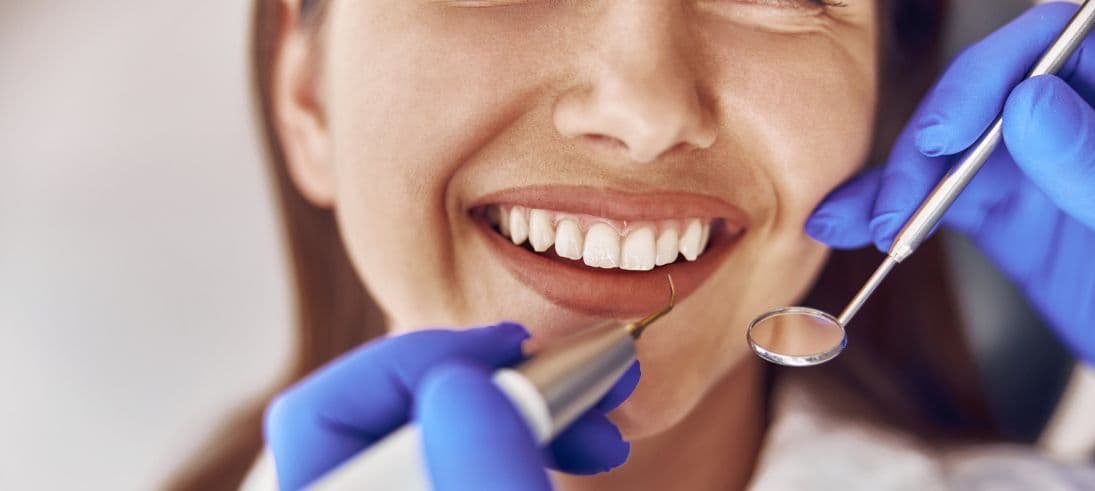
A dental review — sometimes referred to as a check-up or recall appointment — is a structured clinical assessment carried out by a dental professional. It is not simply a brief inspection. Depending on your individual needs, a review may include a visual examination of the teeth, gums, soft tissues, and surrounding oral structures.
During the appointment, your dental professional may assess the condition of existing restorations, look for early signs of tooth wear, gum changes, or decay, and discuss any symptoms or concerns you have noticed at home. Some reviews also incorporate periodontal charting, which involves carefully measuring the spaces around the gum line to monitor gum health over time.
Dental reviews are recommended at intervals that are determined by your clinical risk level. For some patients, this may be every six months; for others, annual reviews or more frequent visits may be appropriate. The recommended frequency is usually based on an individual assessment of your oral health, medical history, and risk factors.
Far from being a routine formality, dental reviews provide valuable information both for you and your dental team. They represent a structured opportunity to understand where your oral health currently stands and what steps — clinical or at home — may support it going forward.
How Preventive Care Differs From Reactive Treatment
One of the most important distinctions to understand when thinking about your oral health is the difference between preventive dental care and reactive treatment. Reactive treatment addresses a problem that has already developed — such as a cavity that requires a filling, or a gum infection requiring intervention. Preventive care, by contrast, aims to support oral health before those problems arise or to catch early changes at a stage when they may be simpler to manage.
This distinction matters because many conditions affecting the teeth and gums develop gradually and without obvious symptoms in the early stages. Tooth decay, for example, typically begins as a small area of mineral loss in the enamel — often too subtle to cause pain or visible discolouration initially. Similarly, early gum disease (gingivitis) may cause only mild bleeding or slight swelling that patients might not immediately connect to a dental concern.
By attending regular reviews, patients give their dental team the opportunity to identify these early changes and discuss appropriate steps. This may involve professional cleaning, dietary advice, improved brushing techniques, or onward referral if indicated. Preventive care does not guarantee the elimination of dental problems, but it does provide a structured framework for monitoring and supporting oral health over time.
The Role of the Dental Hygienist in Preventive Care
Dental hygienists play a central and highly valued role within preventive dentistry. As registered clinicians regulated by the General Dental Council (GDC), dental hygienists are specifically trained to assess, support, and educate patients on maintaining optimal oral health.
During an appointment with a dental hygienist, you may receive a thorough professional clean known as a scale and polish, which removes plaque and tartar (calculus) deposits that cannot be effectively removed through brushing alone. Hygienists may also carry out more detailed periodontal treatments for patients managing gum disease, using techniques such as subgingival debridement to address deposits below the gum line.
Equally important is the educational aspect of a hygiene appointment. Your dental hygienist can observe your current oral hygiene habits, identify areas where plaque tends to accumulate, and provide tailored advice on brushing method, interdental cleaning, and the use of appropriate products. This personalised guidance can be far more effective than general advice, because it reflects your specific oral anatomy and dental history.
If you are interested in understanding more about how professional hygiene appointments support your overall oral health, you can explore the dental hygiene services available at our London clinic.
The Clinical Science Behind Tooth and Gum Health
To understand why preventive care matters, it helps to have a basic understanding of how the teeth and gums function — and what happens when things begin to change.
Each tooth is composed of several layers. The outermost visible surface is enamel — the hardest substance in the human body. Beneath it lies dentine, a more porous layer that is sensitive to temperature and pressure. At the centre of the tooth is the pulp, which contains nerves and blood vessels. When decay progresses unchecked, it moves through these layers, potentially reaching the pulp and causing pain or infection.
The gums (gingiva) form a protective seal around the base of each tooth, supported by the periodontal ligament and underlying bone. When bacterial plaque accumulates along and beneath the gum line, it triggers an inflammatory response. Initially this presents as gingivitis — a reversible condition characterised by redness, swelling, and bleeding. If plaque and tartar remain, the inflammation can progress to periodontitis, which involves breakdown of the supporting bone and tissue structures around teeth.
Understanding this progression helps to explain why professional cleaning and consistent oral hygiene habits are so important. Prevention is not simply about aesthetics — it is about protecting the biological structures that hold your teeth in place throughout your life.
What to Expect at a Preventive Dental Appointment
If you have not attended a dental review recently, or if you are visiting a new practice, it is natural to feel uncertain about what to expect. Understanding the process can make the experience feel more comfortable and productive.
A preventive dental appointment typically begins with a brief medical and dental history update. Your dental professional will ask about any changes to your general health, medications, or concerns you have noticed since your last visit. This information helps contextualise what is observed during the clinical assessment.
The examination itself is calm and methodical. Your dental professional will check the condition of each tooth, assess the gum tissue, examine the soft tissues of the mouth (including the tongue, cheeks, and floor of the mouth), and may take radiographs (X-rays) at appropriate intervals to assess areas that cannot be visualised directly.
At the end of the appointment, your dental professional will summarise their findings, explain anything of note in clear language, and discuss any recommendations. This is an excellent opportunity to ask questions, raise concerns, and understand what your oral health currently looks like. No clinical decision about treatment is made without your informed understanding and consent.
When a Professional Dental Assessment May Be Particularly Beneficial
While regular preventive reviews are appropriate for most adults, there are certain situations in which arranging a dental assessment sooner rather than later may be worth considering.
If you experience any of the following, it would be reasonable to contact a dental professional for guidance:
- Persistent sensitivity to hot, cold, or sweet foods and drinks that does not resolve within a few days
- Bleeding gums that occur regularly during brushing or spontaneously
- Visible changes to the gums, such as recession, swelling, or colour changes
- Loose teeth or changes in the way your teeth meet when biting
- Persistent bad breath that does not improve with oral hygiene measures
- Mouth sores or unusual patches that do not heal within two weeks
- Pain or discomfort in the jaw, face, or teeth that is unexplained or ongoing
None of these symptoms should cause alarm, but each represents a reason to seek a professional opinion rather than waiting for a routine appointment. A clinical examination will allow your dental professional to assess what may be contributing to these changes and advise accordingly.
It is also worth noting that systemic health conditions — including diabetes, cardiovascular conditions, and certain medications — can influence oral health. Informing your dental team of any changes to your general health helps ensure that your care is appropriately considered in its full context.
Practical Prevention and Daily Oral Health Advice
Preventive dental care does not begin and end in the dental chair. Much of it happens at home, through consistent daily habits that protect and support your teeth and gums between professional appointments.
The following guidance reflects broadly accepted oral health principles:
Brushing: Most dental professionals recommend brushing for two minutes, twice daily — in the morning and last thing at night — using a fluoride toothpaste appropriate for your age and needs. A small-headed toothbrush with soft to medium bristles, used with gentle, circular or modified Bass technique movements, is generally preferred over vigorous scrubbing, which can contribute to enamel and gum wear over time.
Interdental cleaning: Brushing alone does not reach the spaces between teeth where plaque accumulates. Interdental brushes, floss, or water flossers — used at least once daily — help address these areas. Your dental hygienist can advise on the most appropriate tools for your specific spacing.
Diet: Frequent consumption of acidic foods and drinks, or foods high in refined sugars, increases the risk of enamel erosion and tooth decay. Reducing the frequency of these exposures — rather than eliminating them entirely — can make a meaningful difference. Staying well hydrated with water throughout the day also supports saliva production, which is the mouth's natural defence mechanism.
Smoking and alcohol: Both smoking and heavy alcohol consumption are associated with increased risk of gum disease and oral cancer. If you are considering reducing or stopping smoking, your dental or medical team may be able to provide support or signposting.
If you would like to understand more about how your daily routine can be adapted to support gum health, our team provides personalised oral hygiene advice as part of our hygiene appointments.
Key Points to Remember
- Regular dental reviews are a cornerstone of preventive care, helping your dental team monitor changes and provide timely guidance.
- Preventive dental care is designed to support oral health before problems progress, rather than waiting until treatment becomes necessary.
- Dental hygienists play a vital clinical and educational role in maintaining gum health and supporting good oral hygiene habits.
- Many dental conditions — including early decay and gingivitis — develop without obvious symptoms, making professional monitoring particularly valuable.
- Daily oral hygiene habits at home are an essential complement to professional dental care.
- Certain symptoms — including persistent bleeding, sensitivity, or unusual changes — are worth discussing with a dental professional promptly.
Frequently Asked Questions
How often should I attend a dental review appointment?
The recommended frequency of dental reviews varies from person to person and is determined by your dental professional based on your individual oral health, risk factors, and history. Some patients benefit from appointments every three to six months; others may be advised to attend annually. There is no single universal interval that applies to everyone. The best approach is to follow the guidance of your dental team, who can assess your specific needs during a clinical examination.
What is the difference between a dental check-up and a hygiene appointment?
A dental check-up typically involves a clinical examination of the teeth, gums, soft tissues, and surrounding structures, usually carried out by a dentist. A hygiene appointment with a dental hygienist focuses on professional cleaning to remove plaque and tartar, as well as personalised oral hygiene instruction. Both appointments serve different but complementary purposes within a preventive care framework. Many patients benefit from attending both regularly, sometimes on the same day or as separate visits depending on their needs.
Is preventive dental care suitable for everyone?
Preventive care principles — such as regular professional reviews, good daily oral hygiene, and appropriate dietary habits — are broadly applicable to most adults. However, specific recommendations, treatments, and appointment frequencies should always be guided by an individual clinical assessment. Patients with particular health conditions, dental histories, or risk factors may require a tailored approach. Your dental professional is best placed to advise on what is appropriate for your circumstances.
Can regular hygiene appointments help with gum disease?
Professional hygiene appointments can form an important part of managing gum health. For patients with early gum disease (gingivitis), professional cleaning combined with improved oral hygiene at home may help to resolve inflammation. For patients with more established gum disease (periodontitis), treatment may involve a more structured course of care. The most appropriate approach depends on a thorough clinical assessment of your gum health. Your dental professional can discuss options following an examination.
What should I do if I am nervous about attending a dental appointment?
Dental anxiety is very common and is something dental teams are well accustomed to managing. If you feel anxious about attending, it can be helpful to let the practice know in advance so that the team can take a little extra time to explain what will happen and ensure you feel comfortable. Many patients find that understanding what to expect during a review helps reduce uncertainty. It is also entirely reasonable to ask questions at any point during the appointment. Your comfort and wellbeing are an important part of your care.
Does diet really affect my dental health that significantly?
Diet plays a meaningful role in oral health. The frequency and type of sugar and acid exposure are key factors in the risk of tooth decay and enamel erosion. Saliva helps neutralise acids in the mouth, but frequent acid or sugar exposure throughout the day reduces the time available for natural remineralisation. Small, practical dietary adjustments — such as limiting sugary snacks between meals and choosing water as your main drink — can support your teeth over time. For personalised dietary advice in relation to your oral health, a conversation with your dental professional during a review appointment would be the most helpful starting point.
Conclusion
Understanding preventive dental care is one of the most empowering steps you can take for your long-term oral health. Regular dental reviews provide a structured, professional opportunity to monitor the condition of your teeth and gums, receive evidence-based guidance, and address any early changes before they progress. Whether you are maintaining excellent oral health or managing an ongoing concern, consistent professional support — alongside effective daily habits — forms the foundation of good dental wellbeing.
Preventive care is not about perfection. It is about building a relationship with your dental team that enables you to make informed decisions and feel confident about the condition of your mouth. If you have not attended a review recently, or if you have noticed any changes that concern you, speaking with a dental professional is always a sensible next step.
Dental symptoms and treatment options should always be assessed individually during a clinical examination.
If you would like to learn more about what a preventive appointment involves or would like to discuss your oral health needs, contact our London dental hygiene team who will be happy to help.
Disclaimer
This article is for general educational purposes only and does not constitute dental advice. Individual symptoms, diagnoses, and treatment options should always be assessed by a qualified dental professional during a clinical examination.