South Kensington Tube.
Introduction
As we age, many adults become increasingly concerned about maintaining their independence and quality of life. One area often overlooked in healthy ageing discussions is oral health, yet it plays a crucial role in overall wellbeing throughout our later years. Many people search online for information about how dental care changes with age and what steps they can take to preserve their oral health as they get older.
Understanding how preventive dentistry supports healthy ageing is essential because oral health directly impacts nutrition, social confidence, and general health outcomes. Poor oral health in older adults has been linked to various systemic conditions, difficulty eating nutritious foods, and reduced quality of life. Preventive dentistry focuses on maintaining oral health through regular care, early intervention, and lifestyle modifications rather than waiting for problems to develop.
This article explains how preventive dental care can help support healthy ageing, the specific oral health challenges that may arise with age, and practical steps you can take to maintain optimal oral health throughout your life. Professional dental guidance becomes particularly valuable as individual health needs change over time.
How Does Preventive Dentistry Support Healthy Ageing?
Preventive dentistry supports healthy ageing by maintaining oral function, helping to prevent disease progression, and addressing age-related dental changes before they become complex problems. Regular preventive care helps preserve natural teeth, maintains proper nutrition, and reduces the risk of oral health complications that can impact overall wellbeing as we age.
Age-Related Changes in Oral Health
As we age, our mouths undergo various natural changes that can affect oral health. Understanding these changes helps explain why preventive dentistry becomes increasingly important for older adults.
Tooth enamel naturally wears down over decades of use, potentially leading to increased sensitivity and a higher risk of decay. Gum tissues may become more susceptible to inflammation, whilst saliva production can decrease due to age-related changes or medications. These factors combined can create an environment where oral health problems develop more easily than in younger adults.
The jawbone may also change over time, particularly if teeth have been lost, which can affect the fit of existing dental appliances. Additionally, medical conditions more common in older adults, such as diabetes or arthritis, can have significant impacts on oral health and the ability to maintain effective daily oral hygiene.
Recognising these natural changes allows dental professionals to adapt preventive care strategies to address the specific needs of older patients, ensuring that oral health support evolves appropriately with age.
The Role of Regular Dental Check-ups
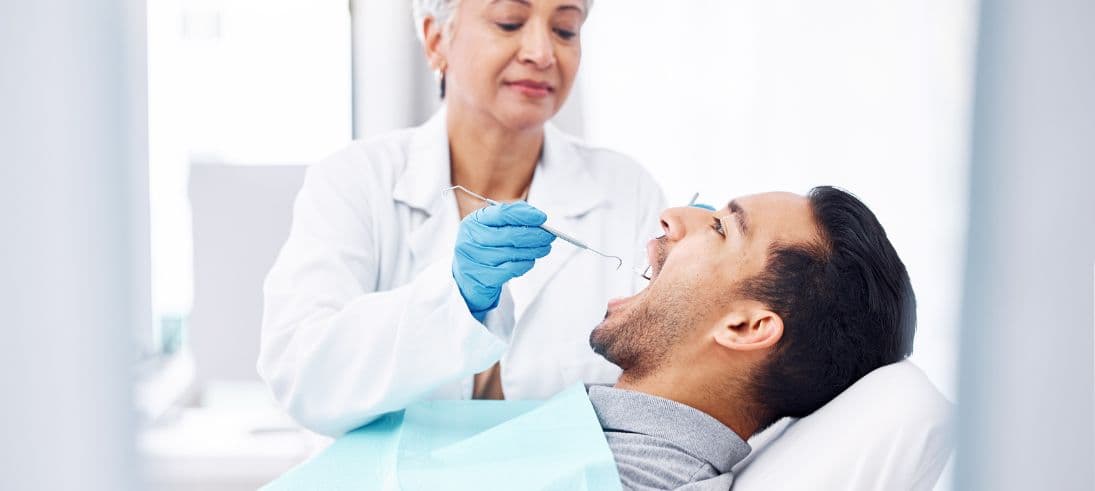
Regular dental examinations become particularly valuable as we age, allowing dental professionals to monitor changes in oral health and intervene early when problems develop. These appointments provide opportunities to assess not just teeth and gums, but also oral tissues, bite alignment, and the function of any existing dental work.
During routine check-ups, dental professionals can identify early signs of conditions such as gum disease, tooth decay, or oral cancer, when treatment options are typically more straightforward and successful. They can also evaluate how well current oral hygiene routines are working and suggest modifications if needed.
Professional cleaning during these visits removes plaque and tartar that regular brushing and flossing might miss, particularly important for older adults who may have reduced dexterity or vision that affects their daily oral care routine. The frequency of these visits may need to be adjusted based on individual oral health status and risk factors.
These regular appointments also provide opportunities to discuss how general health conditions or medications might be affecting oral health, ensuring that dental care remains integrated with overall health management.
Preventing Gum Disease in Older Adults
Gum disease prevention becomes particularly crucial as we age, as older adults face increased risk factors for periodontal problems. Age-related changes in immune function, combined with decades of exposure to bacteria and potential accumulation of risk factors, can make gums more susceptible to inflammation and infection.
Preventive strategies for gum disease in older adults focus on maintaining excellent plaque control through effective daily cleaning routines. This might involve adapting traditional brushing and flossing techniques to accommodate changes in dexterity, or introducing tools such as electric toothbrushes or water flossers that can be easier to use effectively.
Professional monitoring becomes essential, as early gum disease may progress more quickly in older adults and can be more challenging to treat once advanced. Regular professional cleaning helps remove bacterial deposits that contribute to gum inflammation, whilst dental professionals can assess gum health and recommend additional preventive measures if needed.
The connection between gum disease and systemic health conditions becomes particularly relevant for older adults, as research suggests links between periodontal disease and conditions such as cardiovascular disease and diabetes, making prevention an important component of overall health management.
Maintaining Oral Function and Nutrition
Preventive dentistry plays a vital role in maintaining oral function throughout the ageing process, which directly impacts nutrition and overall health. The ability to chew effectively influences food choices, with oral health problems potentially leading to avoidance of nutritious foods that require more chewing, such as fresh fruits and vegetables.
Maintaining healthy teeth and gums through preventive care helps preserve natural chewing function for as long as possible. This includes protecting existing teeth from decay and damage, maintaining healthy gum support for teeth, and addressing any functional problems early before they become more complex.
When tooth loss does occur, preventive approaches focus on replacing missing teeth appropriately to maintain chewing function and prevent further oral health deterioration. This might involve discussing options such as bridges, dentures, or dental implants based on individual circumstances and health status.
Regular assessment of bite function and jaw joint health also forms part of preventive care for older adults, as changes in these areas can affect comfort during eating and speaking, impacting quality of life and social engagement.
When Professional Dental Assessment May Be Needed
Several situations warrant professional dental evaluation, particularly as oral health needs change with age. Persistent discomfort or pain in teeth, gums, or jaw areas should always be assessed, as these symptoms may indicate underlying problems that benefit from early intervention.
Changes in taste, persistent dry mouth, or difficulty chewing or swallowing may signal oral health issues or medication side effects that require professional attention. Any swelling, unusual lesions, or changes in oral tissues should be evaluated promptly, as early detection of oral health problems typically allows for more effective treatment approaches.
Difficulty maintaining oral hygiene due to physical limitations, or concerns about the fit or comfort of existing dental appliances, are important reasons to seek professional guidance. Dental professionals can often suggest adaptive techniques or modifications that significantly improve daily oral care effectiveness.
Changes in general health status or medications may also warrant dental consultation, as these factors can significantly impact oral health and may require adjustments to preventive care routines or treatment approaches.
Daily Oral Health Strategies for Healthy Ageing
Effective daily oral health routines form the foundation of preventive dentistry for healthy ageing. These routines may need adaptation as physical abilities or health conditions change, but maintaining consistent oral hygiene remains crucial throughout life.
Brushing with fluoride toothpaste twice daily helps protect teeth from decay, whilst regular flossing or interdental cleaning removes plaque from areas between teeth where decay and gum disease often begin. For older adults who experience difficulty with traditional oral hygiene tools, alternatives such as electric toothbrushes or specially designed interdental brushes may be helpful.
Managing dry mouth becomes particularly important for many older adults, as reduced saliva increases decay risk. Staying well-hydrated, using sugar-free gum or lozenges to stimulate saliva production, and discussing medication side effects with healthcare providers can all be valuable strategies. Professional fluoride treatments or specialised oral care products may also be recommended.
Nutrition plays an important role in oral health throughout life, with a balanced diet supporting both oral and general health. Limiting sugary or acidic foods and beverages helps protect teeth from decay, whilst ensuring adequate nutrition supports the body's ability to maintain healthy oral tissues and fight infection.
Key Points to Remember
- Preventive dentistry adapts to changing oral health needs as we age, focusing on maintaining function and helping to prevent disease progression
- Regular professional monitoring becomes increasingly valuable for early detection and intervention of age-related oral health changes
- Gum disease prevention requires particular attention in older adults due to increased risk factors and potential health connections
- Maintaining oral function through preventive care directly supports nutrition and quality of life throughout the ageing process
- Daily oral hygiene routines may need modification but remain essential for healthy ageing
- Professional assessment should be sought for persistent symptoms or changes in oral health status
Frequently Asked Questions
How often should older adults visit the dentist?
The frequency of dental visits for older adults typically depends on individual oral health status and risk factors. Many older adults benefit from visits every six months, though some may require more frequent monitoring if they have ongoing oral health concerns or medical conditions that affect oral health. Your dental professional can recommend an appropriate schedule based on your specific needs and circumstances.
Can medication affect oral health as we age?
Many medications commonly prescribed to older adults can affect oral health, particularly by reducing saliva production which increases decay risk. Blood pressure medications, antihistamines, antidepressants, and pain medications are examples of medicines that may cause dry mouth. Discussing medication side effects with both your doctor and dentist helps ensure appropriate preventive strategies are in place.
Is tooth loss inevitable with ageing?
Tooth loss is not an inevitable part of ageing. With proper preventive care, many people can maintain their natural teeth throughout their lives. The key factors in preserving teeth include maintaining good oral hygiene, regular professional care, managing risk factors such as gum disease, and addressing dental problems promptly when they arise.
How can arthritis affect dental care routines?
Arthritis can make traditional brushing and flossing more challenging due to reduced hand mobility and grip strength. Electric toothbrushes, toothbrushes with larger handles, water flossers, and interdental brushes can often make daily oral care more manageable. Your dental team can suggest specific adaptations based on your individual needs and limitations.
What role does nutrition play in oral health for older adults?
Good nutrition supports oral health by providing essential nutrients for maintaining healthy gums and fighting infection. Conversely, oral health problems can impact nutrition by making it difficult to chew certain foods. A balanced diet with adequate protein, vitamins, and minerals supports both oral and general health, whilst limiting sugary foods helps prevent tooth decay.
Should I be concerned about oral cancer as I age?
The risk of oral cancer does increase with age, making regular oral cancer screenings an important part of preventive dental care for older adults. During routine dental visits, your dental professional will examine your mouth for any unusual changes. Risk factors include tobacco use, excessive alcohol consumption, and certain infections. Early detection significantly improves treatment outcomes.
Conclusion
Preventive dentistry plays an essential role in supporting healthy ageing by maintaining oral function, helping to prevent disease progression, and adapting care approaches to meet changing needs throughout life. Understanding how oral health changes with age and implementing appropriate preventive strategies can significantly impact quality of life, nutrition, and overall wellbeing in older adults.
The key to successful preventive dentistry in healthy ageing lies in maintaining consistent daily oral hygiene, regular professional monitoring, and adapting care approaches as individual needs change. Early intervention and ongoing preventive care typically offer better outcomes than waiting for problems to develop or become complex.
By focusing on prevention rather than just treatment, older adults can often maintain their natural teeth, preserve oral function, and avoid many of the oral health complications that were once considered inevitable with ageing. Professional guidance becomes particularly valuable in developing and maintaining preventive strategies that work effectively for individual circumstances and health status.
Dental symptoms and treatment options should always be assessed individually during a clinical examination.
Disclaimer
This article is for general educational purposes only and does not constitute dental advice. Individual symptoms, diagnoses, and treatment options should always be assessed by a qualified dental professional during a clinical examination.